
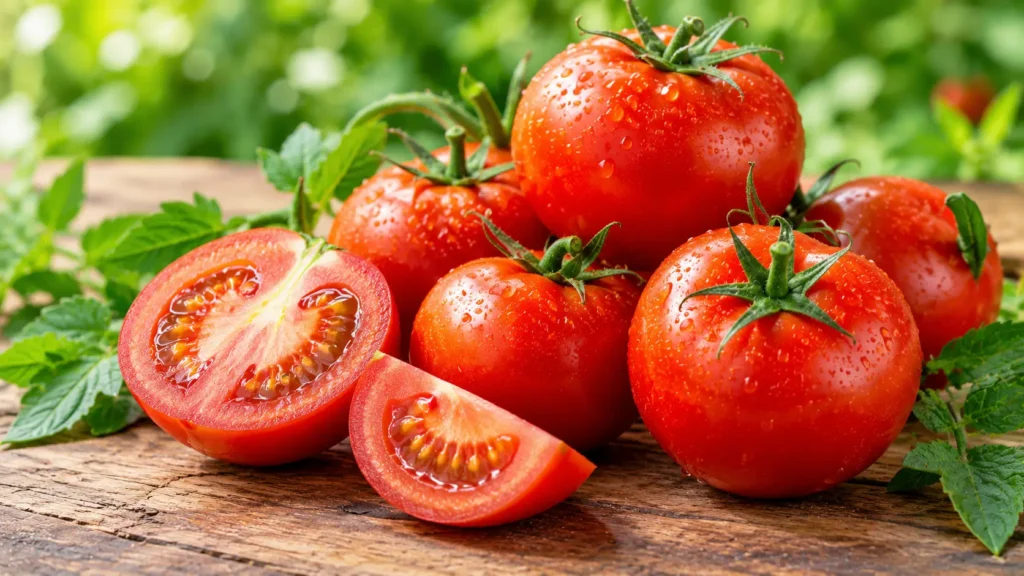
Tomato Health Benefits
Few foods sit at the intersection of “everyday kitchen staple” and “genuinely healthy” quite like the tomato. Whether it’s sliced into a sandwich, simmered into a sauce, or eaten straight off the vine, tomatoes show up in almost every cuisine around the world. But beyond their versatility, are tomatoes actually healthy?
In this article, we’ll break down tomato health benefits in detail, look closely at tomatoes nutrition facts, explore the specific benefits of eating tomatoes daily, and explain why tomatoes for heart health keeps coming up in nutrition research.
Disclaimer: This article is for general informational purposes only and is not a substitute for professional medical advice. I am not a doctor. Please consult a qualified healthcare provider for guidance specific to your health needs.
Read More: H1N2 Swine Flu Case in Michigan 2026: Symptoms, Transmission and What to Know
Are Tomatoes Healthy? A Quick Overview
Yes — tomatoes are considered a healthy food by most nutrition standards. They’re low in calories, virtually fat-free, and packed with vitamins, minerals, and plant compounds like lycopene that have been widely studied for their potential health benefits.
Technically a fruit (a berry, to be precise) but used as a vegetable in cooking, the tomato brings together hydration, fiber, and antioxidants in a way few other everyday foods do. That combination is a big part of why tomato health benefits show up so often in nutrition conversations.
Tomatoes Nutrition Facts
Understanding tomatoes nutrition facts helps explain exactly why this humble fruit punches above its weight nutritionally. Here’s an approximate breakdown for one medium raw tomato (about 123 grams):
- Calories: ~22 kcal
- Water content: ~94-95%
- Carbohydrates: ~4.8 g
- Natural sugars: ~3.2 g
- Fiber: ~1.5 g
- Protein: ~1.1 g
- Fat: ~0.2 g
- Vitamin C: ~20% of daily value
- Vitamin A: ~8% of daily value
- Vitamin K: ~10% of daily value
- Potassium: ~5-6% of daily value
- Folate: ~4% of daily value
- Lycopene: a powerful antioxidant, especially concentrated in cooked or processed tomatoes
Because tomatoes are so low in calories yet nutrient-dense, they’re an easy food to eat generously without disrupting most dietary goals, whether you’re focused on weight management, heart health, or general wellness.
Tomato Health Benefits You Should Know
Let’s look at the specific tomato health benefits that make this fruit worth adding to your plate regularly.
1. Rich Source of Antioxidants
Tomatoes are one of the best dietary sources of lycopene, the pigment responsible for their red color. Lycopene is a powerful antioxidant that helps neutralize free radicals in the body, which may play a role in reducing oxidative stress over time.
2. Supports Immune Function
With a solid dose of vitamin C in every serving, tomatoes contribute to normal immune system function, along with supporting collagen production and wound healing.
3. Promotes Skin Health
Vitamin C and lycopene both play a role in skin health, with some research suggesting lycopene may help offer a degree of protection against UV-related skin damage — though it should never replace sunscreen.
4. Supports Eye Health
Tomatoes contain vitamin A along with lutein and beta-carotene, nutrients associated with maintaining healthy vision and reducing the risk of age-related eye issues.
5. Aids Digestion
The fiber and high water content in tomatoes support healthy digestion and can help maintain regular bowel movements when eaten as part of a balanced diet.
6. May Support Bone Health
Tomatoes provide a meaningful amount of vitamin K, a nutrient involved in bone metabolism and blood clotting.
Tomatoes for Heart Health
One of the most researched areas of tomato nutrition is their connection to cardiovascular wellness. Here’s why tomatoes for heart health is such a common topic in nutrition science:
- Potassium content: Potassium helps regulate blood pressure by balancing out the effects of sodium in the body. Tomatoes provide a useful daily dose of this mineral.
- Lycopene and cholesterol: Some studies have looked at lycopene’s potential role in supporting healthy LDL (“bad”) cholesterol levels, though more research is still needed to confirm the exact mechanisms.
- Anti-inflammatory compounds: Chronic inflammation is linked to heart disease risk, and the antioxidants in tomatoes may help counter some of that inflammatory burden.
- Low sodium, naturally: Fresh tomatoes are naturally low in sodium, making them a heart-friendly choice compared to many processed, salty snacks (though canned and sauced versions can be high in added sodium, so it’s worth checking labels).
- Fiber for cardiovascular support: Dietary fiber, including the fiber found in tomatoes, is associated with healthier cholesterol levels and overall cardiovascular function.
While tomatoes alone aren’t a cure or treatment for heart conditions, they fit well into heart-healthy eating patterns like the Mediterranean diet, which consistently ranks among the most recommended diets for cardiovascular wellness.
Benefits of Eating Tomatoes Daily
So what actually happens if you make tomatoes a daily habit? Here are some of the most notable benefits of eating tomatoes daily:
- Consistent antioxidant intake: Regular consumption means a steady supply of lycopene and vitamin C, rather than occasional spikes.
- Better hydration: With water content around 94-95%, daily tomato consumption can modestly support overall fluid intake.
- Weight-friendly snacking or meal additions: Their low calorie density makes tomatoes easy to add to meals without significantly increasing calorie intake.
- Improved nutrient variety: Adding tomatoes daily to salads, sandwiches, or cooked dishes naturally increases the diversity of vitamins and minerals in your diet.
- Enhanced flavor without added sodium or fat: Tomatoes add natural acidity and flavor depth to meals, which can help reduce reliance on high-sodium sauces or dressings.
- Potential long-term cardiovascular support: Some population-level studies associate regular tomato and lycopene intake with better long-term heart health markers, though individual results vary based on overall diet and lifestyle.
How to Add More Tomatoes to Your Diet
Tomatoes are easy to work into almost any meal. A few simple ideas:
- Add sliced tomatoes to sandwiches, wraps, and burgers
- Toss cherry tomatoes into salads for a quick nutrient boost
- Roast tomatoes with olive oil and herbs as a simple side dish
- Cook down fresh tomatoes into a homemade pasta sauce
- Blend tomatoes into gazpacho or soups
- Snack on cherry or grape tomatoes on their own
- Use tomato paste or crushed tomatoes as a base for curries and stews
Interestingly, cooking tomatoes can actually increase the bioavailability of lycopene, meaning your body may absorb more of this antioxidant from cooked or processed tomatoes (like sauce or paste) compared to raw ones.
Who Should Be Careful with Tomatoes?
Tomatoes are generally safe and healthy for most people, but a few groups should be mindful:
- People with acid reflux or GERD: The natural acidity in tomatoes can trigger or worsen reflux symptoms in some individuals.
- People prone to kidney stones: Tomatoes contain oxalates, which in high amounts may contribute to certain types of kidney stones in susceptible individuals.
- People with nightshade sensitivity: Tomatoes belong to the nightshade family, and a small number of people report digestive or joint discomfort linked to nightshade consumption, though scientific evidence on this is limited.
- People with tomato allergies: Though uncommon, some individuals experience allergic reactions, including mouth itching or swelling, after eating tomatoes.
If you notice discomfort after eating tomatoes regularly, it’s worth speaking with a doctor or registered dietitian to determine whether an adjustment is needed.
FAQs
Are tomatoes healthy to eat every day? Yes, for most people, eating tomatoes daily is considered safe and beneficial, offering a steady intake of antioxidants, vitamins, and hydration.
What is the main health benefit of tomatoes? Tomatoes are best known for their high lycopene content, an antioxidant linked to reduced oxidative stress and potential cardiovascular benefits.
Are cooked tomatoes healthier than raw tomatoes? Cooked tomatoes may offer more absorbable lycopene, while raw tomatoes retain slightly more vitamin C, so both forms offer valuable nutrition in different ways.
Do tomatoes help lower blood pressure? Tomatoes are rich in potassium, a mineral known to support healthy blood pressure levels as part of a balanced diet.
How many tomatoes should I eat per day? There’s no official strict limit, but 1-2 medium tomatoes a day is a reasonable amount for most healthy adults, adjusted based on individual health needs and tolerance.
Final Thoughts
So, are tomatoes healthy? Based on their impressive nutrition profile — low calories, high water content, and a strong lineup of vitamins, minerals, and antioxidants like lycopene — the answer is a confident yes. From immune support to tomatoes for heart health, the benefits of eating tomatoes daily go far beyond just adding color and flavor to your plate.
Read More: Why Salmonella Cases Spike Every Summer — And What the 2026 Egg & Jalapeño Outbreaks Reveal