
Introduction: Heatwave 2026
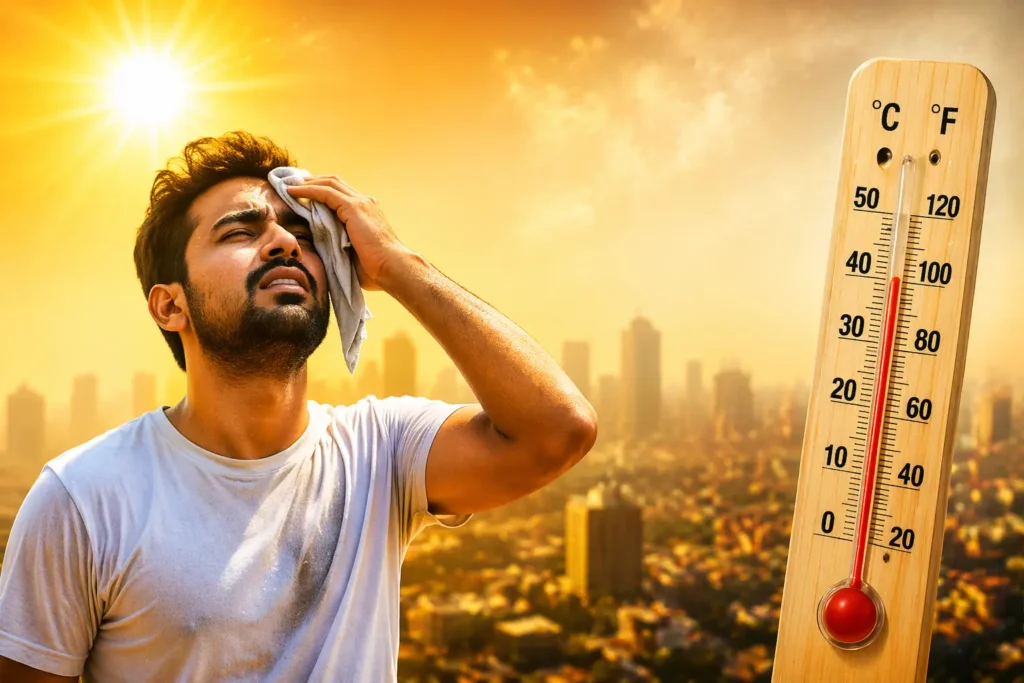
Heat is not a phenomenon that Indians are unfamiliar with. On the contrary, it is an inherent part of our way of life, culture, and traditions. However, summers of the recent years have started to appear harsher than ever before – they have become more unbearable, more deadly, and more unpredictable. Unfortunately, such a trend can also be witnessed during the summer of 2026, which saw temperatures in numerous Indian states rise above 44°C to 48°C. Moreover, a heatwave was declared in some of these states well before the beginning of the season, including those of Rajasthan, Madhya Pradesh, Uttar Pradesh, Odisha, and Telangana.
A heatwave in India is not only a climatic anomaly; rather, it is a potential disaster. It is a threat not only for wildlife but also for people because millions of Indians live and work in conditions where they might experience serious consequences associated with heatwaves. In the summer of 2022 and 2023, numerous Indians died from excessive heat. By the year of 2026, scientists forecast even worse results in the future.
Therefore, it is crucial to know how to behave in such situations.
Grasping the Nature of a Heatwave
To begin with, it would help to know the nature of the hazard. According to the India Meteorological Department (IMD), a heatwave occurs when the highest temperatures recorded at the weather stations reach 40 degrees Celsius in the plains and 30 degrees Celsius in the hills. The difference between the observed and normal temperature exceeds 4.5 degrees Celsius and goes up to 6.4 degrees or higher.
In addition to the numerical definition, there is an important factor that differentiates a heatwave from other climatic phenomena – it has an adverse effect on a person’s thermoregulation system. Under conditions of high outside temperatures and elevated humidity, sweating is not enough for adequate body cooling, resulting in a rise in core temperature. When it exceeds 40 degrees Celsius inside the body, heat stroke sets in, which is extremely dangerous.
Who are the most exposed individuals? Older adults, children, outdoor workers, pregnant women, those with certain chronic conditions such as diabetes and cardiovascular diseases, and dehydrated or intoxicated people. Nevertheless, even physically healthy people have experienced heatstroke under the blazing summer sun in India.
Hydration: The One Thing That Will Make All the Difference
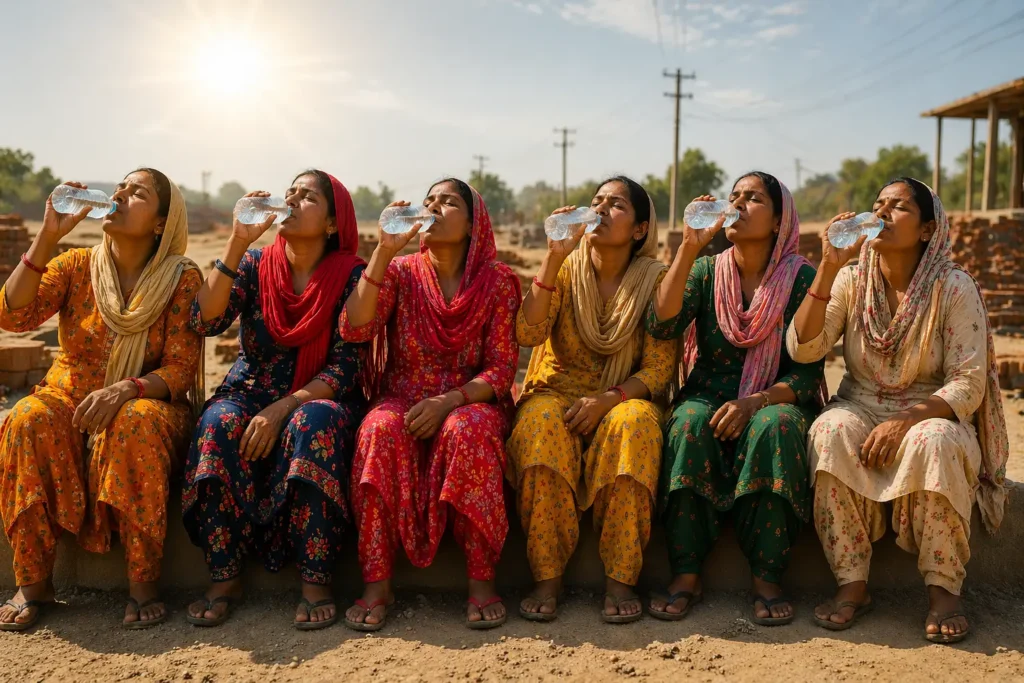
There is no strategy more powerful than this: drink water, constantly, even when you don’t feel thirsty.
In situations of extreme temperatures, you lose fluids in the form of sweat faster than your body can register its need for water. Once you start feeling thirsty, there is a possibility that you are already dehydrated! It is best if you consume about 3-4 liters of water per day in the summer season. Even if you work in the open or get yourself into heavy perspiration, increase the intake of water.
Along with the water comes the need for the replenishment of lost electrolytes. When you consume only water during rigorous physical activity under heat, you will dilute the level of sodium in your body – leading to a condition called hyponatremia. Have some ORS solutions, coconut water, nimbu paani with sugar and salt, or chaas.
Do not have: coffee, alcohol, or even too many sugar-loaded beverages like cola and soft drinks. At least save these until the end of the day.
Read More: https://vitalmindflow.com/mental-health-crisis/
Dress According to the Weather
What one wears matters in a heat wave. One needs to dress in light colors such as white, off-white, light blue, and pastel colors, which reflect sunlight and help the body remain cool. Clothes need to be loose to allow the free circulation of air. Cotton or linen clothes are highly recommended.
One must cover their heads by using wide-brimmed hats, cotton dupattas, towels, or gamchas. Heat stroke occurs quickly when the head and neck come into contact with the sun’s rays.
Sunglasses that provide UV protection should be used to protect the eyes from UV radiation. The application of sunscreen with an SPF level of 30 before going outside is important, regardless of the weather condition.
One should wear protective footwear since closed shoes trap heat and cause discomfort.
Stay Cool While Avoiding AC
The luxury of air conditioners is unavailable to many people in India. There are simple, economical methods to ensure that your home stays cool during a heatwave.
The cross ventilation method works extremely well – open up windows on the opposite sides of the house at sunrise and sunset. For the rest of the day, shut off windows that face the direct sunlight and cover them with curtains or damp cloths to shield your home from the heat.
Water-soaked curtains and the traditional khus tattiyas have been used for decades in Indian households. As water evaporates from these objects, it helps to lower the temperature of the incoming air. Using earthen pots to keep water at room temperature is another tried-and-true way.
Fans with a bowl of ice or damp towels can help you achieve the same result. Sleeping with a wet sheet can be unpleasant, but it does the job.
In case you have no cooling facilities, find the nearest government cooling centre, community center, shopping malls, or public libraries where you can spend some time in a cooler atmosphere.
Identify the Symptoms of Heat-Induced Disorders
Being aware of what to watch out for – in you and those around you – could make all the difference.
Heat cramps are the most minor condition, characterized by involuntary muscle cramps, often in the calves and abdomen, resulting from salt depletion. Rest in a shady spot, massage the affected muscles, and consume an electrolyte beverage.
Heat exhaustion is more critical, characterized by excessive perspiration, feeling faint, cool and moist skin, rapid but weak heartbeat, nausea, and dizziness. Get the individual to a cooler environment promptly, remove their clothes, cool them off using cool, damp towels, and provide them with water or oral rehydration salts. Seek professional medical care if symptoms persist for over an hour.
Heat stroke is a medical condition that requires urgent attention. Symptoms of heat stroke include high body temperature of at least 103°F (39.4°C), flushed and moist or dry skin, fast heart rate, and in some cases, loss of consciousness. Seek help from emergency services. In the meantime, take immediate action to lower the body temperature through all measures, including dipping the victim into cold water, placing ice packs on certain body parts, or using a fan and spraying cold water on the individual.
Time is of essence here.
Plan Your Time Outdoors Properly

The sun rays are the strongest between 11 AM and 4 PM. Therefore, if possible, schedule all your outdoors activities such as work, exercises, traveling, or other tasks between 9 AM and 6 PM.
This is something which sounds very obvious but is usually overlooked. Workers who continue to work under the scorching sun until dusk and employees who do not have an organized break schedule in their workplace: those are the conditions in which heat exhaustion and heat stroke occur.
As a supervisor, one should make it clear that breaks from outdoor activities should be a must. Rest in shady areas for at least five minutes after every 15 to 20 minutes of activity and have cold water available every 15 to 20 minutes.
Protect the Weak Around You
The survival of individuals during a heatwave is not only the personal concern of a person; it is also that of a society.
Keep checking on senior neighbors, especially those living alone. Drop by to make sure that they have water and at least a slightly cool place to sit down in. Infants left inside parked vehicles are in serious danger because, within minutes, the interior of the car will heat up by 20°C than the actual temperature outside.
Other groups vulnerable to heatwaves include stray animals and farm animals. Make sure that there is plenty of water available to them through water troughs in the city. In case there are people in your locality who provide stray animals with food, help them arrange the provision of bowls of water for these animals under shaded areas.
The other extremely vulnerable group includes migrant workers and homeless people of cities. As a responsible citizen of the city, you should make sure that there are more water dispensers in the city.
Stay Informed and Be Ready
IMD alerts heatwaves with a colour code system – Yellow (be alert), Orange (get ready), and Red (act now). Stay tuned to IMD weather predictions in particular for May and June. Use the Mausam application or visit state disaster management agency websites for live alerts.
Get yourself a heatwave survival kit for your house – ORS packets, a thermometer, a sprayer to mist the water, some first aid materials, and a list of emergency contacts. Store more water. Educate all family members about the symptoms of heatstroke.
Travel wisely. If you have to undertake an extended trip through roadways or public transportation during a heatwave, be sure to take along plenty of water, dress appropriately, and make regular halts at shade spots.
Conclusion: Pay Your Respects to the Sun
There is a saying amongst those who have lived their lives in hot areas; don’t argue with the sun, just accommodate its presence. This saying is more relevant now than ever before, when we consider the climate trends that will be occurring in 2026, and the record-high temperatures that will result from them.
The summer months in India have never been easy on us. However, by preparing ourselves, staying informed, helping out our fellow citizens, and following the measures outlined in this blog post, we could very well survive the season.
Respect the heat, and take care of yourselves and others.
Stay cool. Stay safe. Survive the summer.
Read More: https://vitalmindflow.com/