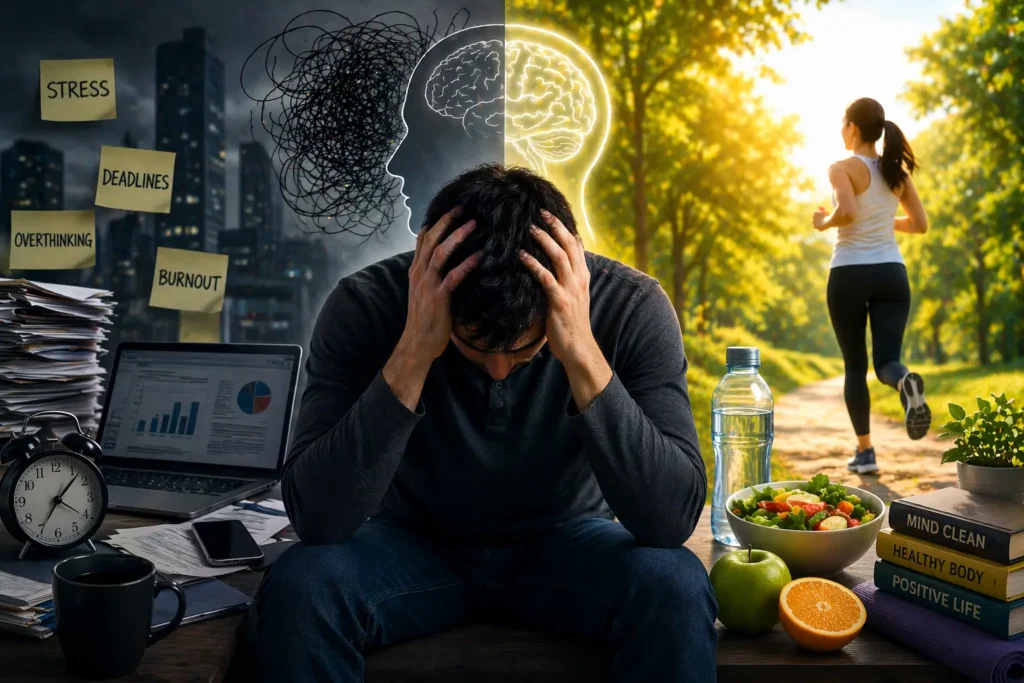

Your sexual health and mental health are deeply intertwined. When one struggles, the other often follows. Yet many people don’t realize this powerful connection, suffering in silence instead of seeking help.
The truth is simple: sexual wellness requires emotional wellness. Anxiety, depression, trauma, and low self-esteem directly impact sexual function, satisfaction, and relationships. Conversely, sexual problems create shame, stress, and emotional distress.
The Mind-Body Connection: How Sexual Health & Mental Health
Sexual response is fundamentally a mind-body experience. Your brain controls arousal, desire, and pleasure just as much as your genitals do.
How Anxiety Impacts Sexual Function
Anxiety is one of the most common culprits sabotaging sexual health. When you’re anxious:
- Your nervous system stays in “fight-or-flight” mode, making arousal impossible
- Performance anxiety creates a vicious cycle: worry causes sexual difficulty, which causes more worry
- Racing thoughts prevent you from being present during intimacy
- Physical tension interferes with sexual response and pleasure
- Catastrophic thinking (“What if I can’t perform?”) becomes a self-fulfilling prophecy
Research shows that anxiety disorders increase the risk of sexual dysfunction significantly, affecting both men and women across all age groups.
Depression & Sexual Desire
Depression doesn’t just affect your mood—it devastates sexual interest and function:
- Low libido: Depression flattens desire and pleasure (anhedonia)
- Emotional numbness: You feel disconnected from your body and partner
- Energy depletion: You lack motivation for physical intimacy
- Negative self-image: Depression convinces you that you’re undesirable
- Medication side effects: Many antidepressants reduce sexual function
The connection is bidirectional: depression causes sexual problems, and sexual problems worsen depression, creating a painful loop.
Trauma & Sexual Health
Sexual trauma leaves deep wounds affecting how you experience intimacy:
- Hypervigilance: Your body stays in defensive mode during sex
- Flashbacks and triggers: Intimacy activates traumatic memories
- Dissociation: You mentally leave your body during sexual activity
- Trust issues: You struggle to feel safe with partners
- Shame and guilt: Unfounded but overwhelming feelings contaminate sexual experiences
Trauma survivors often avoid sexual contact entirely, or engage in it while disconnected and distressed. Healing requires specialized trauma-informed care.
Read More: Wearable Technology in 2026: From Tracking to Programming—What Health Pros Need to Know
How Sexual Problems Impact Mental Health
The relationship works both ways. Sexual difficulties create emotional suffering:
Shame and Stigma
Sexual dysfunction carries enormous shame:
- Feeling broken or defective
- Fear of judgment from partners
- Embarrassment about seeking help
- Isolation and silence about the problem
- Internalized shame that compounds the issue
This shame keeps people from getting treatment, perpetuating suffering.
Relationship Distress
Sexual problems strain relationships:
- Communication breakdown: Partners can’t discuss sexual issues openly
- Resentment builds: Unmet needs create tension and distance
- Intimacy gaps: Lack of sexual connection weakens emotional bonds
- Blame cycles: Partners blame each other instead of addressing root causes
- Relationship dissolution: Severe sexual dysfunction contributes to breakups and divorce
Healthy sexual connection reinforces emotional intimacy—without it, relationships suffer.
Low Self-Esteem and Depression
Sexual problems erode self-worth:
- Feeling undesirable or unattractive
- Loss of confidence in intimate situations
- Social withdrawal and isolation
- Increased risk of depression and anxiety
- Suicidal ideation (in severe cases)
This emotional impact is real and serious, requiring compassionate professional support.
Key Mental Health Conditions Affecting Sexual Health
Generalized Anxiety Disorder (GAD)
Constant worry makes relaxation and arousal nearly impossible. Performance anxiety becomes a secondary issue.
Impact: Erectile dysfunction, low desire, difficulty reaching orgasm
Panic Disorder
Intense panic symptoms during sex create avoidance and fear.
Impact: Avoidance of intimacy, sexual aversion, relationship strain
Major Depressive Disorder
Depression flattens all aspects of sexuality through neurochemical changes and emotional numbness.
Impact: No libido, inability to experience pleasure, relationship disconnection
PTSD and Sexual Trauma
Traumatic memories intrude during intimate moments, preventing presence and pleasure.
Impact: Sexual aversion, flashbacks, dissociation, avoidance
Body Dysmorphia Disorder
Distorted body image makes sexual expression feel impossible.
Impact: Avoidance, shame, inability to accept pleasure, isolation
Relationship Anxiety
Fear of rejection or judgment in intimate situations creates tension.
Impact: Performance anxiety, avoidance, poor communication
Breaking the Cycle: Strategies for Sexual & Mental Health Recovery
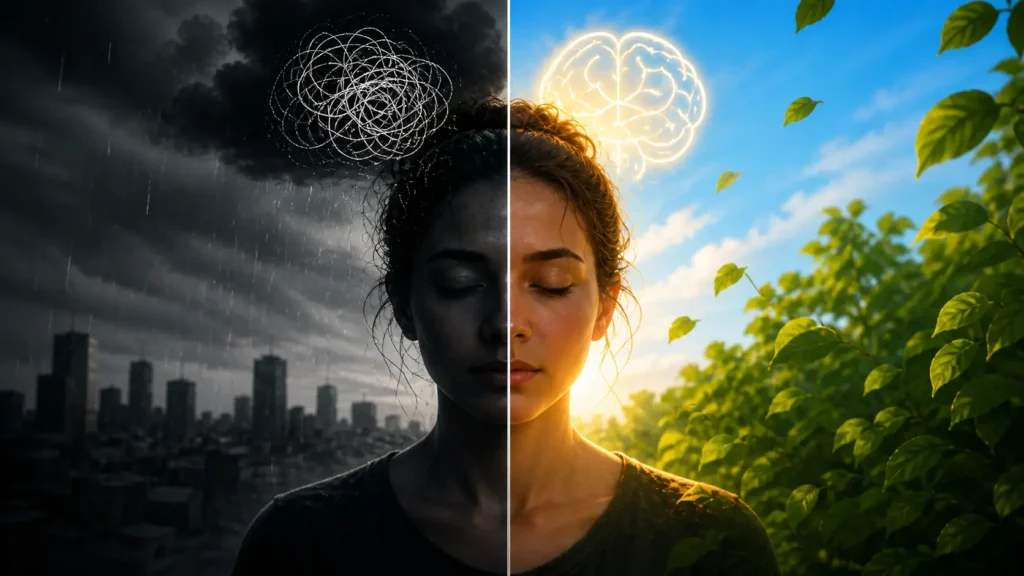
1. Seek Professional Support
Don’t suffer alone. Professional help is transformative:
- Therapists specializing in sexual health understand the mind-body connection
- Sex therapists use evidence-based techniques like sensate focus and cognitive restructuring
- Psychiatrists can adjust medications causing sexual side effects
- Couples therapists rebuild communication and intimacy
- Trauma-specialized therapists help process painful experiences
Finding the right professional matters. Look for someone with specific training in sexual health and your particular concern.
2. Address Underlying Mental Health Conditions
Treating anxiety, depression, or trauma directly improves sexual function:
- Therapy (CBT, EMDR, psychodynamic) heals mental health issues
- Medication adjustments may reduce sexual side effects
- Lifestyle changes (sleep, exercise, nutrition) stabilize mood
- Stress management techniques reduce overall anxiety
- Mindfulness practices increase body awareness and presence
As mental health improves, sexual function often naturally follows.
3. Practice Mindfulness During Intimacy
Anxiety thrives on distraction and future-focused worry. Mindfulness brings you back to the present:
- Sensate focus exercises redirect attention to physical sensation without goal pressure
- Breathing techniques calm your nervous system
- Body scanning increases awareness and pleasure
- Removing performance pressure reduces anxiety
- Focusing on sensation rather than outcomes restores enjoyment
Presence is the antidote to anxiety-driven sexual dysfunction.
4. Improve Communication with Your Partner
Many sexual problems persist because partners can’t talk about them:
- Schedule dedicated conversations outside the bedroom
- Use “I” statements to share feelings without blame
- Listen with compassion to your partner’s experiences
- Collaborate on solutions rather than blame
- Express appreciation for vulnerability and effort
Honest, compassionate communication transforms sexual relationships.
5. Challenge Negative Self-Talk
Mental health problems create distorted thinking about sexuality:
- Identify catastrophic thoughts (“I’m broken,” “They’ll leave me,” “I’ll never feel desire again”)
- Question their validity with evidence
- Replace with realistic thoughts (“I’m struggling, but this is treatable,” “My partner loves me,” “Recovery is possible”)
- Practice self-compassion instead of self-criticism
- Celebrate small improvements in sexual function and confidence
Your internal narrative shapes your sexual experience profoundly.
6. Rebuild Body Safety and Trust
For trauma survivors especially, reconnecting with your body is essential:
- Grounding exercises help you stay present and safe
- Progressive exposure gently reintroduces intimacy at your pace
- Self-touch exploration (masturbation) helps you reclaim pleasure safely
- Partner check-ins establish safety signals during intimacy
- Boundaries protect you and build trust gradually
Healing is not linear—patience and self-compassion are essential.
When to Seek Professional Help
Consider reaching out if you experience:
- Persistent loss of sexual desire or function lasting more than a few weeks
- Anxiety or panic during sexual situations
- Flashbacks or dissociation during intimacy
- Shame preventing you from seeking healthcare
- Relationship conflict centered on sex
- Depression alongside sexual problems
- Difficulty communicating with your partner about sexual concerns
There is no shame in seeking help. Sexual health is health, and professionals exist to support you.
Finding Resources and Support
Professional Resources
- American Association of Sexuality Educators, Counselors and Therapists (AASECT): Find certified sex therapists
- Psychology Today directory: Search therapists by specialty
- Planned Parenthood: Sexual health information and resources
- SAMHSA National Helpline: Mental health and substance use support
Support Communities
- Online forums for sexual health
- Support groups for trauma survivors
- Relationship counseling organizations
- LGBTQ+ health centers
Key Takeaways
- Sexual health and mental health are inseparable. What affects one affects the other.
- Anxiety, depression, and trauma directly impact sexual function. These aren’t character flaws—they’re treatable conditions.
- Sexual problems create emotional suffering too. Shame and relationship strain require compassion and support.
- Professional help works. Sex therapists, therapists, and psychiatrists have evidence-based tools for recovery.
- Healing is possible. With proper support, most people restore sexual function and pleasure.
- Communication matters. Open, honest conversations with partners and professionals accelerate recovery.
Moving Forward
Sexual health is not separate from mental health—it’s an integral part of your overall wellbeing. If you’re struggling with this connection, know that you’re not alone, and help exists.
Start today by:
- Acknowledging the connection between your mental and sexual health
- Identifying which area needs attention first
- Finding a professional who specializes in your concern
- Having an honest conversation with your partner (if applicable)
- Practicing self-compassion during the healing journey
Your sexual wellness matters. Your mental health matters. You deserve support, healing, and a fulfilling intimate life.
FAQs
Q: Can I improve my sexual function without therapy? A: Some people benefit from self-help strategies, but professional guidance is often necessary, especially if trauma or severe mental illness is involved.
Q: Do antidepressants always cause sexual dysfunction? A: Many do, but not all. Discuss side effects with your psychiatrist—alternatives exist.
Q: How long does healing take? A: Recovery timelines vary. Be patient with yourself—healing is not linear.
Read More: Women ADHD Diagnosis: Why It Often Comes Years Later Than Men