
What Is LDL Cholesterol?
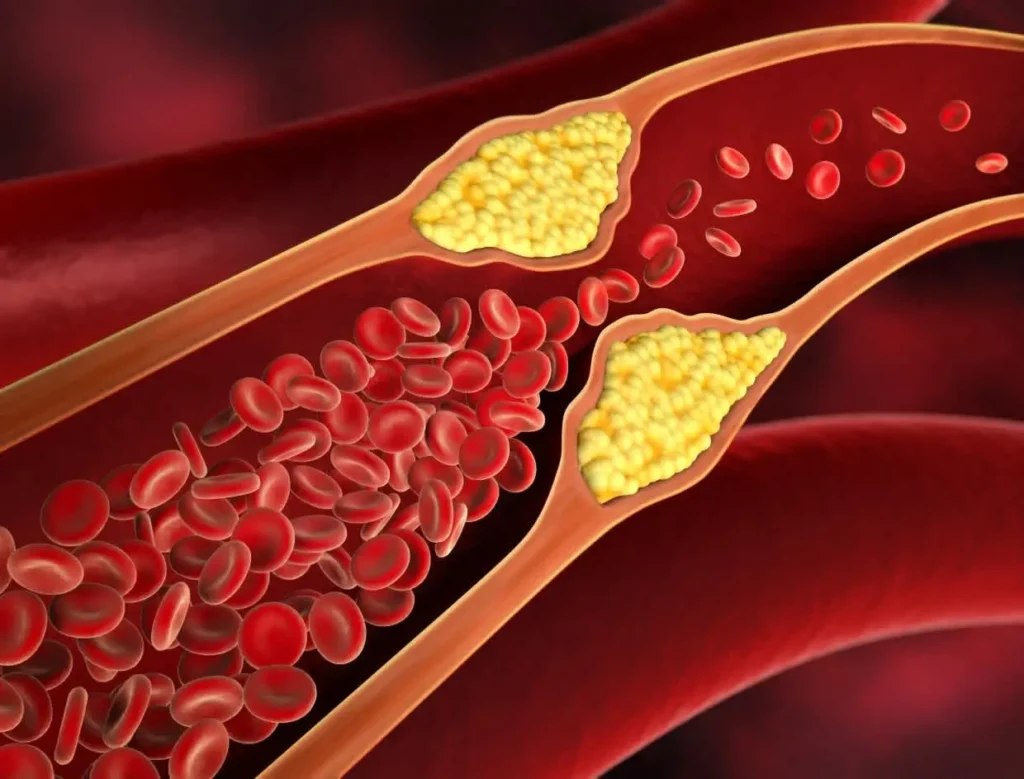
LDL stands for low-density lipoprotein. It’s often nicknamed “bad cholesterol” because when there’s too much of it circulating in your blood, it can work its way into the walls of your arteries and contribute to plaque buildup over time — the process that eventually raises the risk of heart attack and stroke.
Cholesterol itself isn’t the enemy. Your body actually needs it to build cells, make hormones, and produce vitamin D. The issue is really about balance: how much LDL is floating around, and how well your body is clearing it out.
Read More: Ginger Tea for Nausea After Stomach Bug: Natural Remedies That Actually Help
LDL Cholesterol Normal Range Chart for Adults
Cholesterol guidelines in the U.S. were updated in 2026, and the big change was a return to specific number targets rather than a one-size-fits-all approach. Here’s roughly how it breaks down:
- Below 100 mg/dL — considered a healthy target for most adults without major heart disease risk factors
- Below 70 mg/dL — the goal for people with diabetes, a high calculated risk of heart disease, or other significant risk factors
- Below 55 mg/dL — recommended for people who have already had a heart attack or stroke, or who are otherwise at very high risk
These targets aren’t just about hitting a random number — they’re based on the idea that the longer your LDL stays low over your lifetime, the less plaque has a chance to build up in the first place. Doctors increasingly talk about “lower for longer” rather than just treating a single elevated reading.
What Is a Good LDL Cholesterol Level by Age?
This is one of the more common questions people search for, and the honest answer is: it depends less on your age and more on your overall cardiovascular risk. That said, here’s a general pattern worth knowing:
- Younger adults (20s–30s): LDL tends to be lower on average, but this is actually the best window to build long-term healthy habits, since cholesterol exposure adds up over decades.
- Middle age (40s–50s): LDL often creeps up gradually, especially with changes in diet, activity, or hormones. This is typically when doctors start paying closer attention to risk calculators.
- Post-menopause (women): LDL can rise noticeably after menopause due to the loss of estrogen’s protective effect, which is one reason cholesterol screening tends to get more attention around this life stage.
- Older adults (60+): Risk factors tend to compound with age, so target numbers often get stricter rather than more relaxed.
Rather than fixating on “what’s normal for my age,” most current guidance leans toward calculating your personal 10-year and 30-year cardiovascular risk score, which factors in blood pressure, smoking status, diabetes, and family history alongside your LDL number.
Does High LDL Cholesterol Always Need Medication?
Not necessarily — and this is a nuance that often gets lost. High LDL is generally treated as one piece of a bigger risk picture, not an automatic prescription trigger. Here’s how it typically plays out in practice:
- Lifestyle first, for many people. If your LDL is only moderately elevated and your overall risk score is low, many clinicians start with diet, exercise, and follow-up testing before jumping to medication.
- Medication earlier for higher-risk groups. For people with diabetes, existing heart disease, or a strong family history, current guidelines increasingly favor starting treatment sooner rather than waiting to see if lifestyle changes alone will be enough.
- Genetics can change the calculation entirely. Conditions like familial hypercholesterolemia cause very high LDL from a young age regardless of diet or exercise, and these cases are generally treated more aggressively and earlier.
If your LDL comes back elevated, that’s a conversation starter with your doctor, not a verdict. They’ll usually look at your full lipid panel, family history, and sometimes additional tests before deciding on next steps.
How to Lower LDL Cholesterol Naturally Without Medication
For people in the “let’s try lifestyle changes first” category, here are the strategies most commonly discussed by cardiologists and dietitians:
- Shift the type of fat you eat. Reducing saturated fat (found in fatty red meat, butter, and many processed snacks) while increasing unsaturated fats (olive oil, nuts, avocado) is one of the most consistently supported dietary changes.
- Add more soluble fiber. Foods like oats, beans, lentils, and apples contain soluble fiber that can help reduce the amount of cholesterol absorbed into the bloodstream.
- Move regularly. Regular aerobic activity — even brisk walking most days of the week — is associated with modest but meaningful improvements in cholesterol profiles over time.
- Watch your weight trend, not just the scale. Even a modest reduction in excess weight, especially around the midsection, has been linked to improved LDL Cholesterol and triglyceride numbers.
- Consider your alcohol and smoking habits. Smoking cessation in particular has a well-documented positive effect on overall cardiovascular risk markers.
None of these are quick fixes — meaningful changes in LDL from lifestyle alone usually take a few months to show up on a follow-up lipid panel. That’s normal, and it’s part of why doctors often recommend rechecking cholesterol after a few months rather than expecting overnight results.
Why LDL Isn’t the Whole Story
It’s worth knowing that LDL cholesterol is just one number on a broader lipid panel. Your total cholesterol, HDL (“good” cholesterol), triglycerides, and increasingly lipoprotein(a) — a genetic risk marker now recommended for at least one lifetime screening under updated guidelines — all factor into the full picture of your cardiovascular risk.
Some people have a “normal” LDL but other markers that suggest elevated risk, which is part of why doctors are increasingly looking at the full panel together rather than any single number in isolation.
The Bottom Line: LDL Cholesterol
LDL cholesterol is an important number, but it’s not a report card with a single right answer — it’s one input into a much bigger risk picture that includes your age, family history, lifestyle, and other lab markers. Knowing where your number falls on the current LDL cholesterol normal range chart for adults is a great starting point, but the real value comes from discussing what that number means for you specifically with a healthcare provider who has your full history in front of them.
Quick disclaimer before we start: I’m not a doctor, and nothing here is medical advice. This is meant to help you understand your lab report and have a more informed conversation with your own healthcare provider, who knows your full history and can make the actual call on treatment.
Read More: High-Protein Salads for Weight Loss: 30g Protein Ideas, No Meat Needed