
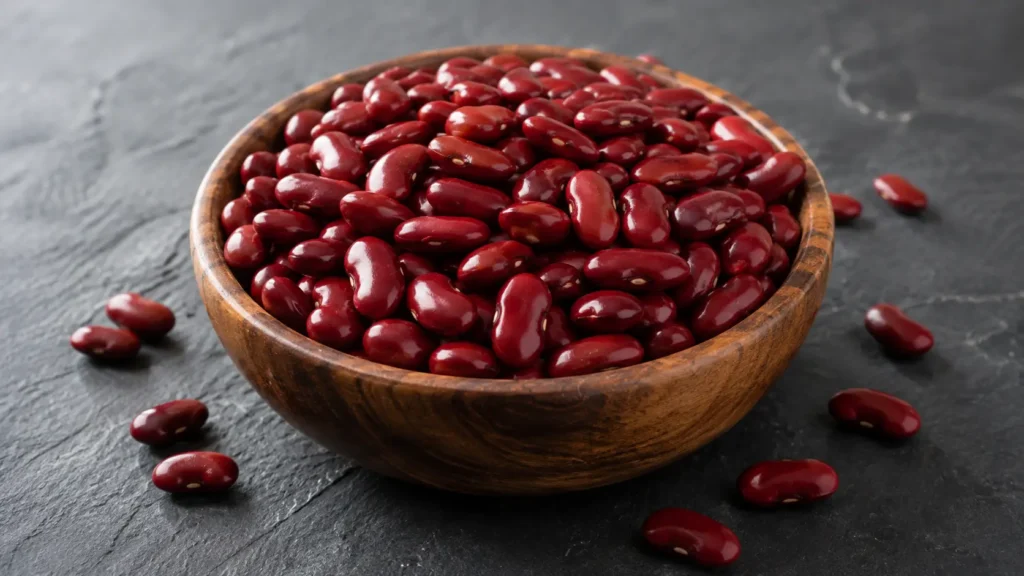
What Are Kidney Beans?
Kidney beans are a variety of the common bean (Phaseolus vulgaris), named for their resemblance to human kidneys. They come in different varieties — dark red, light red, and white (cannellini) — and are a staple in cuisines ranging from Indian rajma curry to American chili and Latin American stews. Beyond their versatility in cooking, kidney beans are packed with plant-based protein, fiber, and micronutrients, which is why nutritionists often recommend them as part of a balanced diet.
Kidney Beans Benefits
If you’ve ever looked at a bowl of chili or a plate of rajma and wondered what makes Kidney Beans Benefits so popular in kitchens around the world, you’re not alone. These deep red, kidney-shaped legumes are more than just a filling ingredient — they’re one of the most nutrient-dense foods you can add to your weekly meal plan. In this guide, we’ll break down the real, research-backed kidney beans benefits, from heart health to weight management, along with Kidney Beans Nutrition facts and serving guidelines.
Disclaimer: I am not a doctor, and this article is for informational and educational purposes only. Please consult a qualified healthcare provider before making major changes to your diet, especially if you have an existing medical condition.
Read More: Oats for Nicotine Cravings: Benefits, Science & Best Ways to Eat Them
1. Kidney Beans for Heart Health
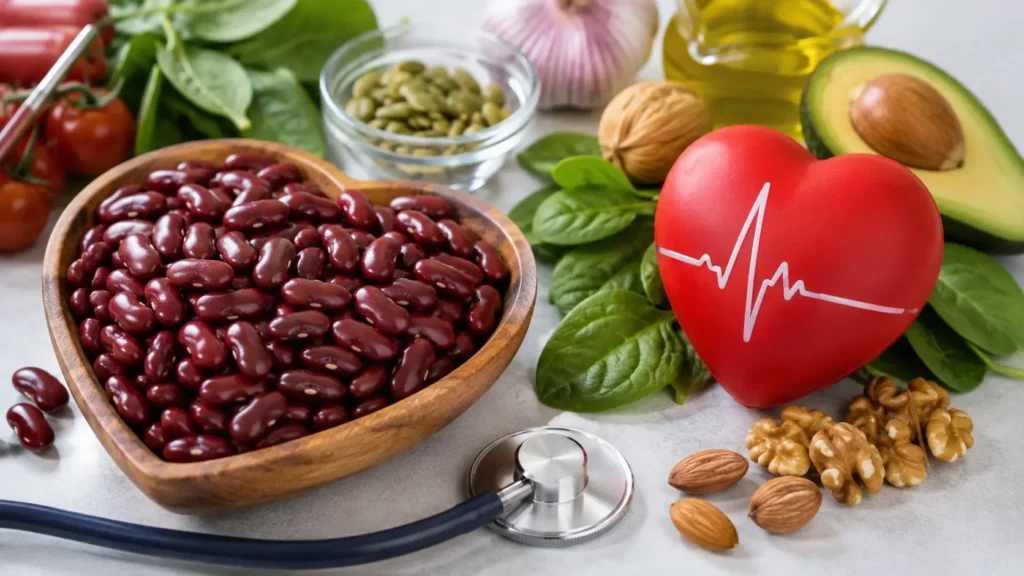
One of the most well-documented kidney beans benefits is their positive impact on cardiovascular health. Kidney beans are rich in soluble fiber, which helps reduce LDL (“bad”) cholesterol levels by binding to cholesterol particles in the digestive tract and helping remove them from the body. They’re also a good source of potassium and magnesium, two minerals known to support healthy blood pressure levels.
Additionally, kidney beans contain plant compounds like flavonoids and phenolic acids, which have antioxidant properties that may help reduce inflammation — a known contributor to heart disease. Swapping red meat for kidney beans a few times a week is a simple, low-cost way to support long-term heart health.
2. Kidney Beans for Gut Health
If you’re looking for kidney beans benefits for gut health, look no further than their fiber content. A single cup of cooked kidney beans provides around 11–13 grams of dietary fiber — nearly half of the recommended daily intake for most adults.
This fiber acts as a prebiotic, feeding the beneficial bacteria in your gut microbiome. A healthy gut microbiome has been linked to better digestion, improved immunity, and even better mood regulation. Kidney beans also contain resistant starch, a type of carbohydrate that resists digestion in the small intestine and ferments in the colon, producing short-chain fatty acids that nourish gut lining cells.
If you’re new to eating beans, introduce them gradually to avoid bloating, and always cook them thoroughly (more on that below).
3. Kidney Beans Help Control Blood Sugar
For anyone managing blood sugar levels, kidney beans are considered a low glycemic index (GI) food. This means they cause a slower, more gradual rise in blood glucose compared to refined carbohydrates like white rice or bread.
The combination of fiber and resistant starch in kidney beans slows down digestion and the absorption of sugar into the bloodstream, which can help prevent sudden blood sugar spikes. Some studies suggest that regularly incorporating legumes like kidney beans into meals may support better long-term blood sugar management, making them a smart addition for people watching their carbohydrate intake.
4. Kidney Beans Boost Energy Levels
Kidney beans are a great source of complex carbohydrates, plant protein, and iron — a combination that supports sustained energy throughout the day. Unlike simple sugars that cause quick energy spikes followed by crashes, the slow-digesting carbs in kidney beans provide steady fuel for your muscles and brain.
Iron, in particular, plays a critical role in transporting oxygen throughout the body. Low iron levels are a common cause of fatigue, especially in people following plant-based diets. Adding kidney beans to your meals is an easy way to top up your iron intake naturally.
5. Kidney Beans Support Kidney Function
Despite the name, kidney beans aren’t directly connected to kidney organ health through their shape — but their nutrient profile does offer some indirect support. Kidney beans are rich in potassium, magnesium, and antioxidants, nutrients that are generally associated with healthy blood pressure and reduced oxidative stress, both of which are important for overall kidney function.
That said, if you have existing kidney disease or are on a renal diet, potassium-rich foods like kidney beans may need to be limited. This is a case where speaking with your doctor or a registered dietitian is especially important before making dietary changes.
6. Kidney Beans Are Rich in Iron & Folate
Kidney beans are an excellent plant-based source of both iron and folate (vitamin B9). Folate is essential for cell division and DNA synthesis, and it’s particularly important during pregnancy for preventing neural tube defects in developing babies. A single cup of cooked Kidney Beans Benefits can provide a meaningful percentage of your daily folate needs.
Iron, meanwhile, supports red blood cell production and helps prevent iron-deficiency anemia. Pairing kidney beans with vitamin C-rich foods — like tomatoes, bell peppers, or a squeeze of lemon — can help improve non-heme iron absorption from plant sources.
7. Are Kidney Beans Good for Weight Loss?
This is one of the most common questions people search for, and the answer is a solid yes — with some context. Kidney beans are high in fiber and protein, two nutrients known to promote satiety, meaning they help you feel fuller for longer and reduce overall calorie intake throughout the day.
Because they digest slowly, kidney beans also help stabilize blood sugar levels, which can reduce cravings and unnecessary snacking. A cup of cooked kidney beans has roughly 215–225 calories, making them a filling, low-calorie-dense food compared to many processed alternatives. That said, weight loss ultimately depends on overall calorie balance, so kidney beans work best as part of a well-rounded diet rather than a standalone solution.
Kidney Beans Nutrition Facts (Per 1 Cup Cooked, ~177g)
| Nutrient | Amount |
|---|---|
| Calories | ~225 kcal |
| Protein | ~15 g |
| Fiber | ~13 g |
| Carbohydrates | ~40 g |
| Fat | ~1 g |
| Iron | ~5.2 mg (about 29% DV) |
| Folate | ~230 mcg (about 58% DV) |
| Potassium | ~713 mg |
| Magnesium | ~74 mg |
Values are approximate and can vary slightly based on preparation method and brand.
How Much Kidney Beans Should You Eat?
For most healthy adults, a serving of ½ to 1 cup of cooked kidney beans, a few times per week, is a reasonable amount to enjoy the benefits without overdoing it on calories or fiber. If you’re not used to eating a lot of legumes, start with smaller portions (around ¼ cup) and gradually increase to allow your digestive system to adjust.
People with kidney disease, gout, or certain digestive conditions like IBS may need to moderate their intake or consult a doctor or dietitian for personalized guidance, since beans are high in potassium and can be harder to digest in large quantities for some individuals.
How to Cook Kidney Beans Safely
This is an important safety note that’s often overlooked: raw or undercooked Kidney Beans Benefits contain a natural toxin called phytohaemagglutinin, which can cause severe nausea, vomiting, and stomach pain if not properly neutralized. Here’s how to cook them safely:
- Soak dried beans for at least 5 hours (overnight is ideal) before cooking.
- Discard the soaking water and rinse the beans thoroughly.
- Boil vigorously for at least 10 minutes before reducing to a simmer — this step is essential to destroy the toxin.
- Simmer until fully tender, usually 45–60 minutes, depending on the beans.
- If using canned kidney beans, they are pre-cooked and safe to eat after rinsing, but it’s still good practice to heat them through before consuming.
- Avoid using a slow cooker on low heat alone to cook dried kidney beans from scratch, as it may not reach a high enough temperature to neutralize the toxin.
FAQs: Kidney Beans Benefits
Are kidney beans good for gut health? Yes. Their high fiber and resistant starch content feed beneficial gut bacteria and support regular digestion.
Can kidney beans help with weight loss? Yes, kidney beans are high in fiber and protein, which promote fullness and can support a calorie-controlled diet when eaten as part of balanced meals.
How much kidney beans should you eat per day? Around ½ to 1 cup of cooked Kidney Beans Benefits a few times a week is a reasonable amount for most healthy adults.
Are kidney beans safe to eat raw? No. Raw or undercooked kidney beans contain a toxin that can cause food poisoning-like symptoms. Always soak and boil them thoroughly before eating.
Do kidney beans help lower cholesterol? The soluble fiber in kidney beans may help reduce LDL cholesterol levels as part of an overall heart-healthy diet.
Final Thoughts: Kidney Beans Benefits
Kidney beans are an affordable, versatile, and nutrient-dense food that can support heart health, gut health, blood sugar balance, and weight management when included as part of a well-rounded diet. Whether you’re adding them to a curry, a salad, or a hearty chili, they’re an easy way to boost your fiber and protein intake naturally.
Read More: Seasonal Allergy Symptoms 2026: Triggers & Relief Tips