Mosquito-Borne Illnesses in Summer 2026
Summer evenings, backyard barbecues, and warm nights outdoors — this is also peak season for mosquitoes across the United States. And in 2026, health officials are watching this season more closely than usual. Reports this year show one of the earliest and most active starts to Mosquito Bite season in more than two decades, with case numbers already running well ahead of the typical yearly pace.
If you’ve been noticing more mosquito bites than usual, or you’ve seen local news about virus activity in your county, you’re not imagining things. This guide breaks down the mosquito-borne diseases USA 2026 is dealing with, what symptoms to watch for in adults, and simple, practical steps you can take to protect yourself and your family.
Disclaimer: I am not a doctor, and this post is for general informational purposes only. It is not a substitute for professional medical advice, diagnosis, or treatment. Please consult a licensed healthcare provider if you develop symptoms after a mosquito bite.
Read More: Kidney Beans Benefits: 7 Reasons to Add Them to Your Diet
Why Summer 2026 Is a Bigger Concern Than Usual
Every summer brings some level of mosquito activity, but this year is different. Public health surveillance data shows case numbers climbing faster and earlier than in most recent years, with several states reporting their first human cases well ahead of the usual midsummer timeline. A large share of the reported illnesses this year have involved the more serious, neuroinvasive form of disease — meaning the virus affects the brain or spinal cord rather than causing only mild, flu-like symptoms.
A few reasons experts point to for this year’s unusual activity:
- Warmer overnight temperatures that let mosquitoes breed and survive longer
- More standing water from heavy rains in some regions, which gives mosquitoes more places to lay eggs
- Longer transmission seasons as autumn frosts arrive later in many areas
- Increased travel and global movement, which has allowed tropical diseases once rare in the US to appear more frequently
Because the Mosquito Bite population responsible for spreading many of these illnesses typically peaks in late August and September, health officials expect this season’s numbers to keep climbing before things cool down.
How Do Mosquito-Borne Diseases Actually Spread?
It helps to understand the basic cycle before jumping into prevention. Mosquitoes don’t create these viruses — they pick them up.
- A mosquito bites an infected bird, animal, or person and ingests the virus along with a blood meal
- The virus multiplies inside the mosquito over several days
- The mosquito then bites a new person or animal, passing the virus along through its saliva
This is why controlling mosquito populations — and not just avoiding individual bites — matters so much at a community level. Birds are a major reservoir for West Nile virus in particular, which is part of why health departments monitor dead bird reports as an early warning sign of local virus activity. Different mosquito species also specialize in spreading different diseases, which is why the time of day you’re most at risk can vary depending on which illness is circulating in your area.
Common Mosquito-Borne Diseases in the USA
There isn’t just one illness to worry about. Several different viruses spread through mosquito bites are currently circulating in the country.
West Nile Virus (WNV)
West Nile virus remains the leading mosquito-spread illness in the continental United States. It’s carried mainly by Culex mosquitoes, which are most active from dusk to dawn.
- Most infected people (around 80%) never develop any symptoms at all
- About 1 in 5 people develop a mild illness with fever, headache, and body aches
- A smaller percentage develop severe, neuroinvasive disease affecting the brain or spinal cord
- There is currently no vaccine or specific antiviral treatment for humans — care is supportive only (rest, fluids, and medical monitoring for severe cases)
Dengue Fever
Dengue was once considered a disease travelers picked up abroad, but locally acquired cases have been reported within the US in growing numbers this year. It spreads through the Aedes mosquito, which tends to bite during the day.
- Symptoms range from none at all to a serious, life-threatening illness
- A second dengue infection carries a higher risk of severe disease
- Vaccines exist but typically require multiple doses and are usually reserved for people with a prior confirmed infection
Eastern Equine Encephalitis (EEE)
EEE is rarer than West Nile but far more dangerous when it does occur, with a notably high fatality rate among people who develop severe brain inflammation.
- No human vaccine is currently available (though one exists for horses)
- Cases tend to cluster in the northeastern and Gulf Coast states
- Even a small number of cases each year draws significant public health attention because of how severe the illness can be
Zika and Chikungunya
Less common in the continental US today, but still relevant, especially for travelers returning from affected regions or residents of warmer coastal areas where Aedes mosquitoes thrive.
- Zika is a particular concern during pregnancy due to risks to fetal development
- Chikungunya typically causes sudden fever with severe joint pain that can linger for weeks or months
Mosquito Illness Symptoms in Adults
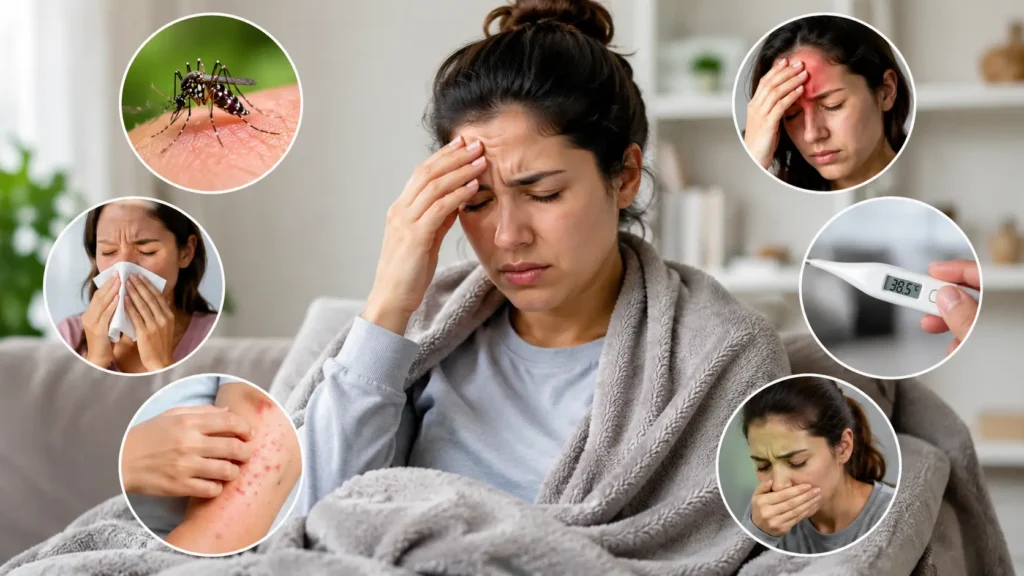
Not every mosquito-borne illness looks the same, but there’s a lot of overlap in early symptoms. Knowing what’s “normal” versus what needs urgent attention can make a real difference.
Mild to moderate symptoms often include:
- Sudden fever
- Headache, often behind the eyes
- Muscle and joint aches
- Fatigue and general weakness
- Nausea, vomiting, or diarrhea
- A skin rash, sometimes appearing a few days after fever starts
- Swollen lymph nodes
Symptoms that may signal a more serious, neuroinvasive infection:
- High fever that doesn’t improve
- Severe or worsening headache
- Neck stiffness
- Confusion or disorientation
- Tremors or muscle weakness
- Vision problems
- Seizures
- Sudden paralysis or difficulty moving a limb
Most adults with a mild infection recover on their own within a week or two with rest and fluids. But the symptoms in the second list are considered medical red flags and warrant immediate care — especially in adults over 60, who account for a disproportionate share of severe West Nile cases.
Who Is Most at Risk?
While anyone bitten by an infected Mosquito Bite can get sick, some groups face a higher chance of severe illness:
- Adults over 60 — the age group most likely to develop neuroinvasive disease
- People with weakened immune systems — including those undergoing cancer treatment, organ transplant recipients, or people with certain chronic conditions
- Pregnant women — particularly a concern with Zika virus
- People who spend a lot of time outdoors — landscapers, construction workers, campers, and gardeners face more exposure simply due to time spent outside during peak biting hours
When to See a Doctor
Because most mosquito-borne illnesses have no specific cure, prevention is your best defense. But if you do develop symptoms, don’t wait it out if:
- Fever lasts more than a few days or keeps climbing
- You develop a severe headache with neck stiffness
- You feel confused, disoriented, or unusually drowsy
- You notice weakness, tremors, or trouble moving a limb
- Symptoms appear within two weeks of a known mosquito bite in an area with reported local virus activity
A simple blood test can often confirm exposure to a specific virus, and early medical attention matters most for the neuroinvasive forms of these diseases.
How to Prevent Mosquito Bites This Summer
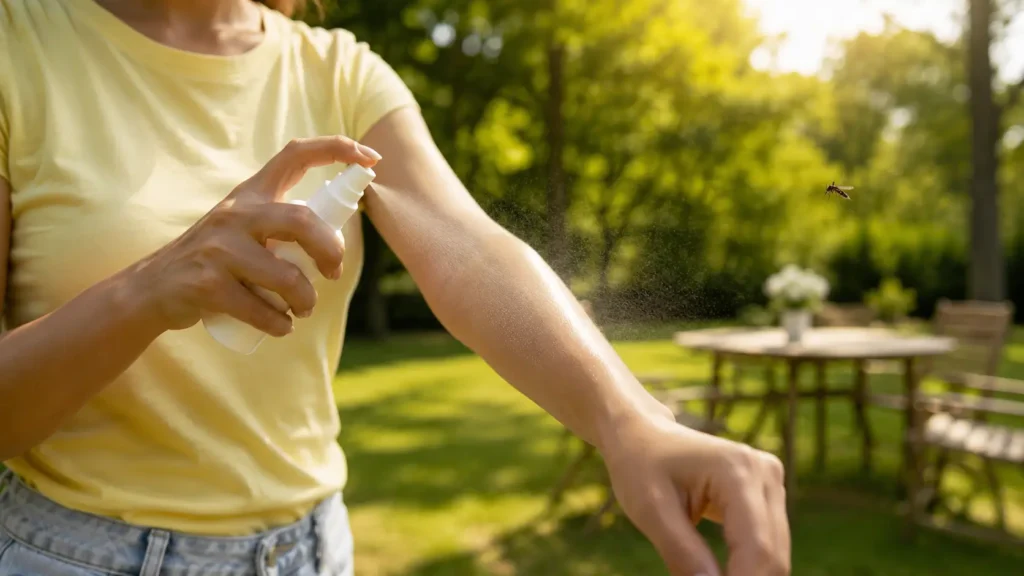
The good news: most mosquito-borne diseases are highly preventable simply by avoiding bites in the first place. Here’s how public health agencies recommend doing that.
Choose the Right Repellent
- Use an EPA-registered insect repellent — look for active ingredients like DEET, picaridin, IR3535, oil of lemon eucalyptus (OLE), para-menthane-diol (PMD), or 2-undecanone
- Follow the label instructions exactly, including reapplication timing
- If you’re also wearing sunscreen, apply sunscreen first and repellent second
- Don’t apply repellent under clothing, and avoid the eyes, mouth, and any cuts or irritated skin
- Products containing OLE or PMD shouldn’t be used on children under 3
Dress Smart
- Wear loose-fitting, long-sleeved shirts and long pants when you’re outdoors, especially at dawn and dusk
- Treat clothing and gear with 0.5% permethrin, or buy pre-treated items — but never apply permethrin directly to skin
- Use mosquito netting over strollers, baby carriers, and cribs for infants
Time Your Outdoor Activities
- Mosquitoes that spread West Nile virus are most active between dusk and dawn
- Aedes mosquitoes (linked to dengue and Zika) tend to bite during the day, so daytime protection matters too
- If possible, limit extended outdoor time during peak biting hours, especially in areas with confirmed local activity
Mosquito Disease Prevention Tips for Your Home and Yard
Reducing mosquitoes around your property is just as important as personal protection.
- Eliminate standing water — check gutters, old tires, buckets, plant saucers, and toys weekly
- Empty and scrub bird baths, wading pools, and rain barrels at least once a week
- Keep pools properly treated and circulating so water doesn’t sit stagnant
- Repair window and door screens to keep mosquitoes from getting indoors
- Use air conditioning when available instead of leaving windows open
- Consider yellow “bug” lights outdoors — they attract fewer mosquitoes than standard white lighting (though they aren’t repellents on their own)
- Trim overgrown vegetation where adult mosquitoes like to rest during the day
If mosquito activity in your neighborhood seems unusually heavy, your local Mosquito Bite control district or health department may also offer larvicide treatments or spraying programs — check your city or county website for options.
FAQs: Mosquito-Borne Illnesses in Summer 2026
Is there a vaccine for West Nile virus or dengue in the US? There is currently no vaccine for West Nile virus. Dengue vaccines do exist but typically require multiple doses and are generally recommended only for people with a confirmed prior dengue infection, based on current guidance.
How long do mosquito-borne illness symptoms last in adults? Mild cases often resolve within a week or two with rest and fluids. Fatigue can sometimes linger longer. Severe, neuroinvasive cases require hospitalization and a much longer recovery period.
Can indoor pets get mosquito-borne illnesses too? Yes — dogs are especially vulnerable to heartworm disease, a serious parasitic infection spread through mosquito bites. Talk to your veterinarian about year-round prevention options for pets.
Do natural or non-EPA-registered repellents work as well? Public health agencies note that the effectiveness of non-EPA-registered repellents, including many natural options, isn’t well established. EPA-registered products remain the recommended choice for reliable protection.
Final Thoughts: Mosquito-Borne Illnesses in Summer 2026
Mosquito-borne illnesses are a normal part of summer in the US, but 2026’s early and active season is a good reminder not to get complacent. Most infections are mild or symptom-free, but the small percentage of severe cases — especially among older adults — makes prevention worth the extra effort. A few consistent habits go a long way: use a proper repellent, dress for the outdoors, clear standing water around your home, and pay attention to your body if you do get bitten in an area with known virus activity.
Read More: Seasonal Allergy Symptoms 2026: Triggers & Relief Tips