
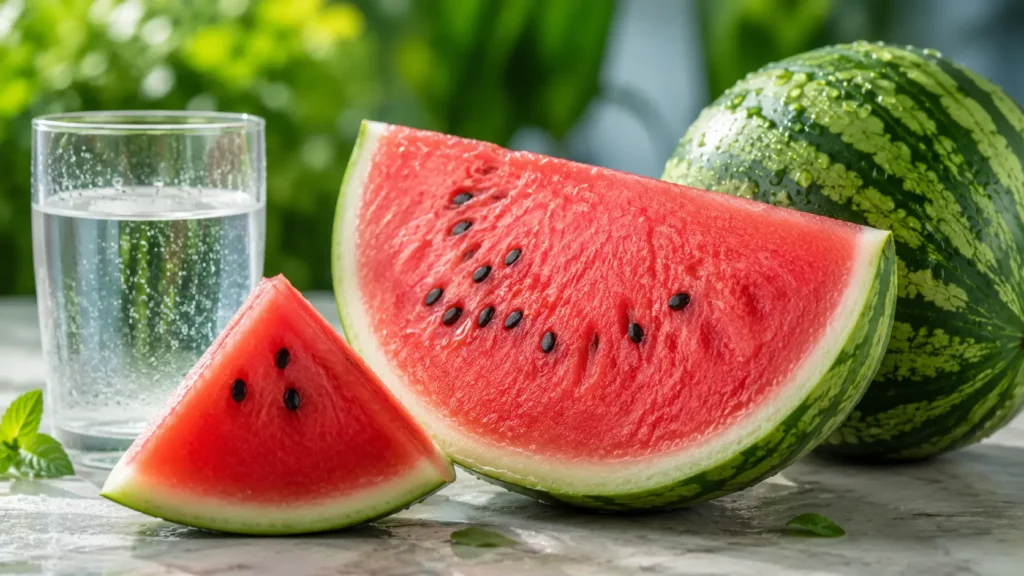
Is Watermelon Good for Hydration
Summer heat, workouts, long days at work, or just forgetting to drink enough water — dehydration can sneak up on anyone. And when it comes to tasty, natural ways to stay hydrated, watermelon is often at the top of the list. But is watermelon really good for hydration, or is that just a popular myth?
In this post, we’ll break down the watermelon hydration benefits, look at watermelon nutrition facts in detail, answer the common question “is watermelon good for dehydration,” and explore the wider watermelon health benefits you should know about.
Disclaimer: This article is for general informational purposes only and is not a substitute for professional medical advice. I am not a doctor. Please consult a qualified healthcare provider for guidance specific to your health needs.
Read More: Micro Workouts: The 10-Minute Fitness Solution for Busy People
What Makes Watermelon So Hydrating?
Watermelon isn’t called “water” melon for nothing. This fruit is made up of about 90-92% water, which is one of the highest water contents among common fruits. That’s very close to the water content found in cucumbers and lettuce, two other foods well known for their hydrating properties.
But hydration isn’t just about water. Your body also needs electrolytes — minerals like potassium, magnesium, and sodium — to actually hold on to and use that water efficiently. Watermelon naturally contains these electrolytes, which is one of the key reasons it stands out as a hydrating snack rather than just “watery fruit.”
Here’s a simple breakdown of why watermelon supports hydration so well:
- High water content (around 90-92%) helps replenish fluids
- Contains natural electrolytes like potassium and magnesium
- Low in calories, so you can eat a generous portion without guilt
- Naturally sweet, which makes it easier to eat more (and take in more fluids) compared to plain water
- Contains citrulline, an amino acid linked to improved blood flow and muscle recovery
Watermelon Nutrition Facts
Understanding watermelon nutrition facts helps explain why this fruit does more than just quench thirst. Here’s an approximate nutritional breakdown for 1 cup (about 152 grams) of diced, raw watermelon:
- Calories: ~46 kcal
- Water content: ~90-92%
- Carbohydrates: ~11.5 g
- Natural sugars: ~9.4 g
- Fiber: ~0.6 g
- Protein: ~0.9 g
- Fat: ~0.2 g
- Vitamin C: ~14% of daily value
- Vitamin A: ~5% of daily value
- Potassium: ~4% of daily value
- Magnesium: small but useful amount
- Lycopene: a powerful antioxidant, higher in watermelon than in raw tomatoes
Because it’s low in calories and fat but rich in water and micronutrients, watermelon fits well into most balanced diets, including weight-conscious eating plans.
Is Watermelon Good for Dehydration?
This is one of the most commonly searched questions, so let’s address it directly: is watermelon good for dehydration?
The short answer is yes, watermelon can help support hydration and may be useful alongside fluids when you’re mildly dehydrated — but it should not replace water or oral rehydration solutions in cases of serious dehydration, illness, or heat exhaustion.
Here’s how watermelon can help with everyday hydration needs:
- After light exercise: A cool bowl of watermelon post-workout can help replenish fluids and electrolytes lost through sweat.
- During hot weather: Eating watermelon alongside regular water intake can make it easier to stay hydrated on hot days.
- When you’re not drinking enough plain water: Watermelon’s high water content and natural sweetness can make hydration feel less like a chore.
- As a light snack when appetite is low: Because it’s mostly water and easy to digest, it can be gentle on the stomach.
However, if dehydration is severe — symptoms like dizziness, confusion, very dark urine, rapid heartbeat, or fainting — this is a medical concern, and watermelon alone is not a substitute for proper rehydration or medical care.
Watermelon Hydration Benefits
Let’s look more closely at the specific watermelon hydration benefits that make this fruit a smart addition to your daily routine.
1. Supports Fluid Balance
The combination of water and electrolytes like potassium helps your body maintain proper fluid balance, which is important for things like blood pressure regulation and normal cell function.
2. Helps with Post-Workout Recovery
Some research suggests that watermelon juice, thanks to its citrulline content, may help reduce muscle soreness after exercise while also replenishing fluids lost through sweat.
3. Refreshing Alternative to Sugary Drinks
Instead of reaching for sports drinks or sodas, watermelon offers natural hydration without the added sugars and artificial ingredients found in many commercial beverages.
4. Easy to Consume in Large Amounts
Because it’s light and refreshing, people often eat more watermelon than they would drink plain water, which indirectly boosts overall fluid intake.
5. Cooling Effect in Hot Weather
Many people report that eating cold watermelon feels cooling and refreshing in summer, making it a popular hydration-friendly snack during hot months.
Other Watermelon Health Benefits
Beyond hydration, there are several additional watermelon health benefits worth knowing about.
- Heart Health: Watermelon contains citrulline and lycopene, both of which have been studied for their potential role in supporting healthy blood pressure and cardiovascular function.
- Antioxidant Support: Lycopene, the pigment that gives watermelon its red color, is a strong antioxidant that may help protect cells from oxidative stress.
- Skin Health: Vitamin C and A in watermelon support collagen production and skin repair.
- Digestive Support: The water and small amount of fiber in watermelon can support healthy digestion when eaten as part of a balanced diet.
- Weight Management Friendly: With very few calories per serving and a high water content, watermelon can help you feel full without consuming excess calories.
- Muscle Recovery: Citrulline, an amino acid found in watermelon, has been studied for its potential to reduce exercise-related muscle soreness.
How to Add Watermelon to Your Daily Diet
Adding watermelon to your routine is simple. Here are a few easy ideas:
- Eat it fresh as a chilled snack on a hot day
- Blend it into a watermelon smoothie or juice (without added sugar)
- Add cubes to a fruit salad with mint and lime
- Pair it with feta cheese for a sweet-savory summer salad
- Freeze small chunks for a refreshing frozen treat
- Use it as a topping for yogurt or oatmeal
Because watermelon is naturally sweet and juicy, it doesn’t need much preparation to be enjoyable — just wash, cut, and eat.
Who Should Be Careful with Watermelon?
While watermelon is generally safe and healthy for most people, a few groups should be mindful of their intake:
- People with diabetes: Watermelon has a high glycemic index, meaning it can raise blood sugar relatively quickly. Portion control matters.
- People with kidney issues: Due to its potassium content, those with certain kidney conditions may need to monitor their intake.
- People sensitive to FODMAPs: Watermelon contains fructose and other fermentable carbohydrates that can cause bloating or digestive discomfort in sensitive individuals.
As always, if you have an existing health condition, it’s a good idea to check with a doctor or registered dietitian about how much watermelon fits into your diet.
FAQs: Watermelon Good for Hydration
Is watermelon good for hydration? Yes. Watermelon is made up of about 90-92% water and also contains natural electrolytes, making it a genuinely hydrating food when eaten alongside regular water intake.
Can watermelon replace drinking water? No. While watermelon supports hydration, it should complement — not replace — your daily water intake, especially in cases of significant fluid loss.
Is watermelon good for dehydration in summer? Yes, watermelon can be a helpful addition to your hydration routine in hot weather due to its high water and electrolyte content, but plain water should remain your primary source of hydration.
How much watermelon should I eat per day? There’s no strict rule, but 1-2 cups a day is a reasonable amount for most healthy adults, adjusted based on individual health needs.
Does watermelon have electrolytes? Yes, watermelon naturally contains potassium and magnesium, two electrolytes important for fluid balance.
Final Thoughts
So, is watermelon good for hydration? Based on its water content, natural electrolytes, and refreshing taste, the answer is a clear yes. Along with its wider health benefits — from antioxidant support to muscle recovery — watermelon is a smart, natural addition to a hydration-conscious diet, especially during warmer months.
That said, watermelon works best as part of a balanced approach to hydration, alongside regular water intake and a healthy diet overall.
Read More: Kidney Beans Benefits: 7 Reasons to Add Them to Your Diet