Mosquito Diseases in 2026
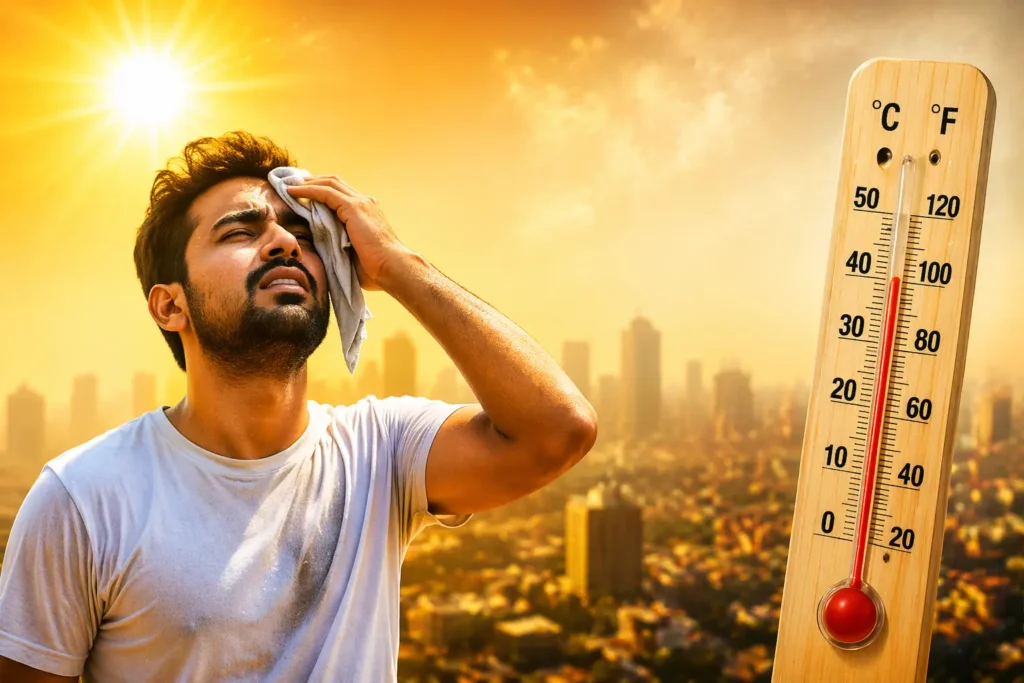
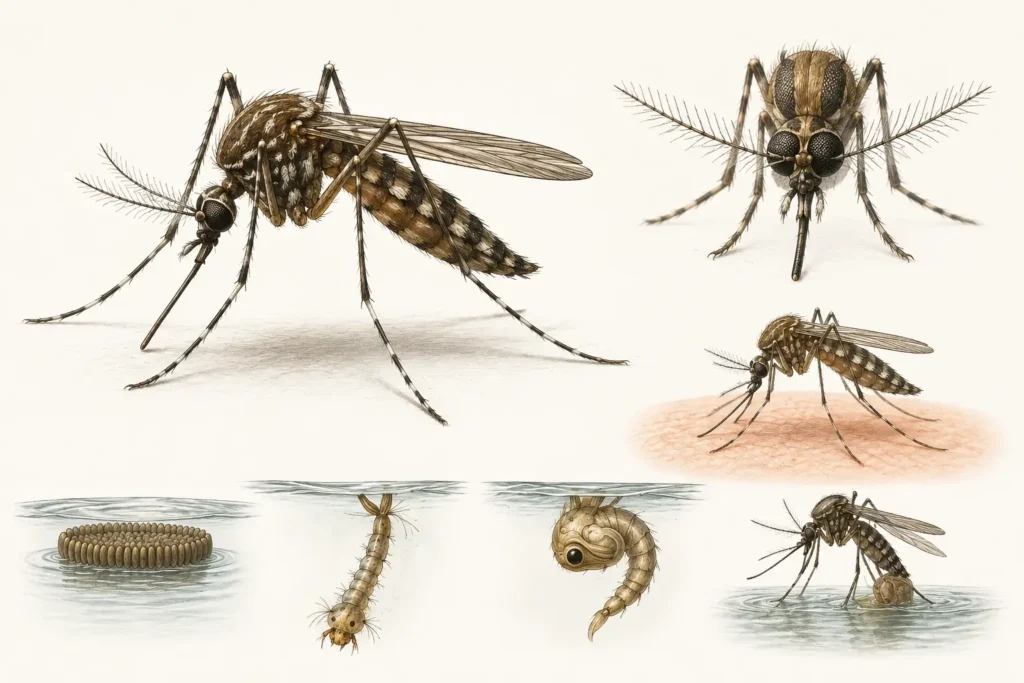
Every summer, billions of people around the world share their outdoor spaces with one of the planet’s deadliest creatures — the mosquito. In 2026, the threat from mosquito diseases has become more urgent than ever. Climate change is expanding mosquito habitats into regions that were previously safe. Global travel is spreading tropical diseases to new continents. And several mosquito-borne illnesses still have no approved vaccines or cures.
Why Mosquito Diseases Are Getting Worse in 2026
Before we list the diseases, it is important to understand why the problem is escalating. Three key factors are driving the surge:
- Climate change is warming regions that were previously too cold for tropical mosquitoes, allowing species like Aedes aegypti to survive in North America, Europe, and parts of Asia that rarely saw them before
- Global travel means a traveller infected in one continent can carry a disease to another within hours
- Urbanisation creates more standing water — puddles, construction sites, blocked drains — which are ideal mosquito breeding grounds
Warmer temperatures and increased travel have expanded mosquito habitats into new regions, increasing exposure risks worldwide. This is no longer just a developing-world problem. It is a global crisis.
7 Alarming Mosquito Diseases to Watch in 2026
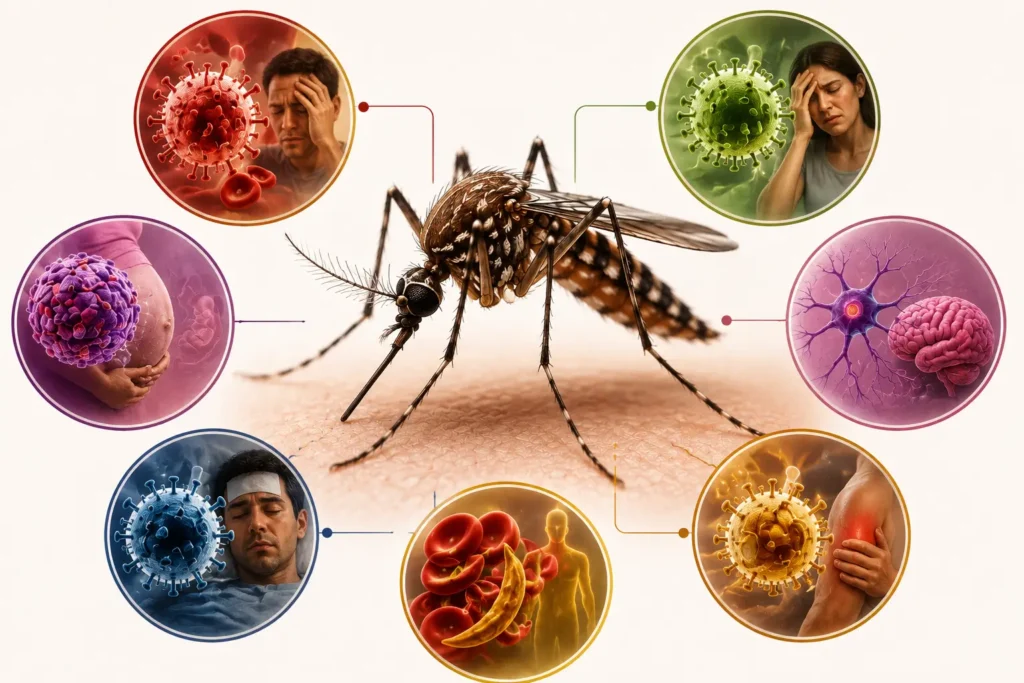
1. Malaria — The World’s Deadliest Mosquito Disease
Malaria remains the single most deadly mosquito-borne disease on the planet in 2026. Malaria deaths far exceed all other mosquito-borne diseases combined, with the burden highest in tropical and subtropical regions of Africa and Asia.
Key facts:
- Caused by Plasmodium parasites transmitted by female Anopheles mosquitoes
- malaria symptoms: high fever, chills, sweating, headache, vomiting
- Can be fatal within 24 hours if left untreated
- Children under 5 and pregnant women are most vulnerable
Prevention: Antimalarial medication, insecticide-treated bed nets, indoor spraying, and mosquito repellent.
Read More: Bundibugyo Ebola Virus Exposed: How It Differs From Regular Ebola
2. Dengue Fever — Spreading Into New Countries Fast
Dengue is one of the fastest-growing mosquito diseases in 2026. As of early 2026, the CDC has reported over 500 dengue cases across the United States — a country where dengue was once extremely rare. Warmer temperatures and climate change are directly responsible for this alarming spread.
Key facts:
- Caused by the dengue virus, transmitted by Aedes aegypti mosquitoes
- Symptoms: sudden high fever, severe headache, pain behind the eyes, joint and muscle pain, rash
- Individuals infected with dengue a second time are at greater risk of developing severe, life-threatening dengue.
- Vaccines exist but require multiple doses for full protection
Prevention: Eliminate standing water around your home, wear long sleeves, use DEET-based repellents.
3. Zika Virus — Still a Serious Threat in 2026
Zika may have faded from headlines, but it remains a serious mosquito disease, especially for pregnant women. Women infected with Zika virus during pregnancy can bear children with serious health conditions including microcephaly, which can cause lifelong disabilities.
Key facts:
- Spread by Aedes mosquitoes — the same species that carries dengue
- Symptoms in most adults are mild: fever, red eyes, joint pain, headache, rash
- No approved vaccine currently exists
- Highest risk in tropical regions of South America, Southeast Asia, and Africa
Prevention: Use condoms if either partner has travelled to affected regions, apply repellent religiously, wear long clothing.
4. West Nile Virus — No Vaccine, No Cure
West Nile Virus is one of the most concerning mosquito diseases in temperate regions including the US and Europe. There is no vaccine for West Nile Virus, making mosquito control a crucial step in preventing its spread.
Key facts:
- Transmitted by Culex mosquitoes
- 80% of infected people show no symptoms — making silent spread common
- In severe cases, causes encephalitis (brain inflammation) and meningitis
- Elderly and immunocompromised people face highest risk of serious illness
Prevention: Eliminate standing water, use window screens, apply repellent, wear long sleeves at dusk and dawn when Culex mosquitoes are most active.
5. Chikungunya — The Disease That Cripples Joints
Chikungunya is rapidly expanding its geographic range in 2026, appearing in regions of Europe and the Americas where it was once unknown.
Key facts:
- Spread by Aedes aegypti and Aedes albopictus mosquitoes
- Symptoms: sudden fever, severe joint pain (so debilitating patients often cannot walk), muscle pain, headache, rash
- Joint pain can persist for months or even years after infection
- No specific treatment — only pain relief and rest
Prevention: Same as dengue — eliminate breeding sites, use repellent, wear protective clothing.
6. Eastern Equine Encephalitis (EEE) — Rare but Deadly
Eastern Equine Encephalitis is one of the rarest but most deadly mosquito diseases in North America. EEE is one of four key mosquito-borne diseases of importance for 2026.
Key facts:
- Fatality rate of approximately 30% — among the highest of any mosquito-borne disease
- Survivors often suffer permanent neurological damage
- Spread by Culiseta melanura mosquitoes in swampy, forested areas
- No vaccine or specific treatment available for humans
Prevention: Avoid swampy areas during peak mosquito season, use strong repellents, wear protective clothing.
7. Yellow Fever Vaccine-Preventable but Still Deadly
Yellow fever ranks third globally in mosquito-borne disease deaths, reflecting its widespread presence in densely populated tropical regions of Africa and South America.
Key facts:
- Caused by the yellow fever virus, spread by Aedes mosquitoes
- Symptoms in severe cases: jaundice (yellowing of skin and eyes), organ failure, bleeding
- Fatality rate in severe cases can reach 50%
- A highly effective vaccine exists — one dose provides lifelong protection
Prevention: Get vaccinated before travelling to affected regions. This is one of the few mosquito diseases where a single vaccine shot provides near-complete protection.
7 Powerful Ways to Prevent Mosquito Diseases in 2026
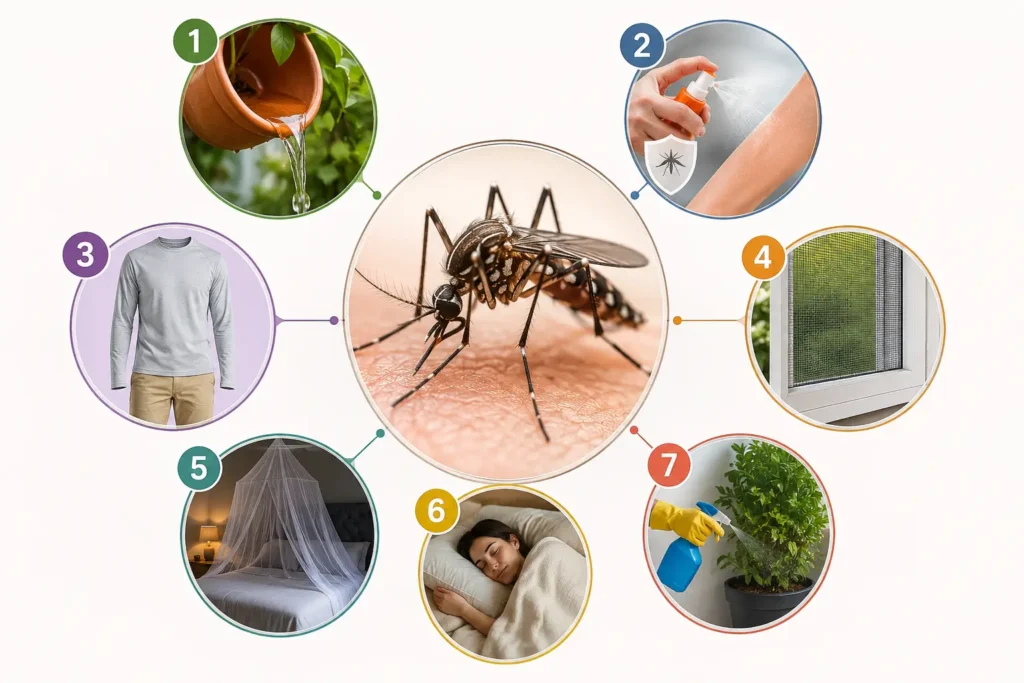
Knowing which diseases mosquitoes carry is only half the battle. Here is exactly what you can do to protect yourself and your family:
- Eliminate standing water — mosquitoes breed in as little as a bottle cap of water. Empty flower pots, buckets, coolers, and gutters regularly
- Use DEET repellent — products containing 20-30% DEET provide reliable protection for adults and children over 2 months old
- Wear protective clothing — long sleeves, long trousers, and light-coloured clothing reduce exposed skin, especially at dawn and dusk
- Install and maintain window screens — keep mosquitoes out of living spaces without blocking ventilation
- Sleep under insecticide-treated bed nets — essential in malaria and dengue risk areas, particularly for children and pregnant women
- Get vaccinated — vaccines exist for yellow fever, dengue (multi-dose), and Japanese encephalitis. Check requirements before international travel
- Check for symptoms early — if you develop fever, rash, or severe joint pain within 2 weeks of potential mosquito exposure, see a doctor immediately and mention your location history
FAQs
Q1: Which mosquito disease kills the most people in 2026? Malaria remains the deadliest, killing hundreds of thousands of people annually — far more than any other mosquito-borne disease.
Q2: Can I get dengue fever in the United States or Europe in 2026? Yes. Climate change has expanded dengue mosquito habitats. Over 500 dengue cases were reported in the US in early 2026, and cases are being reported in southern Europe with increasing frequency.
Q3: What is the most effective mosquito repellent? Products containing 20-30% DEET, picaridin, or IR3535 are most effective. Natural alternatives like citronella provide shorter protection of 1-2 hours.
Conclusion: Mosquito diseases in 2026
Mosquito diseases in 2026 are no longer confined to tropical jungles and developing nations. Climate change, global travel, and rapid urbanisation have turned the humble mosquito into a global health threat that touches every continent and every community.
The good news is that most mosquito diseases are preventable with simple, consistent actions — eliminating breeding sites, using repellent, wearing protective clothing, and getting vaccinated where possible.
Do not wait until you are bitten to take mosquito protection seriously. Your family’s health depends on it.
Read More: Why Do I Feel Tired Even After 8 Hours of Sleep: Possible Reasons Explained