

Low Omega-3 Intake Symptoms
What Is Omega-3 and Why Does Your Body Need It?
Omega-3 fatty acids are a type of “essential fat,” which means your body cannot produce them on its own. You have to get them from food. There are three main types:
- ALA (alpha-linolenic acid) – found in plant foods like flaxseed and walnuts
- EPA (eicosapentaenoic acid) – found mainly in fatty fish
- DHA (docosahexaenoic acid) – also found in fatty fish, and important for brain function
These fats play a role in nearly every system in your body. They help build cell membranes, support brain and eye health, reduce inflammation, and keep your heart and joints functioning properly. When your intake is consistently low, the effects tend to build up slowly over weeks or months, which is why many people don’t connect their symptoms back to their diet.
In this guide, we’ll walk through the most common low omega-3 intake symptoms, explain why an omega-3 deficiency diet USA pattern has become so common, and share the best foods high in omega-3 for adults — plus practical tips on how to get more omega-3 without supplements.
Disclaimer: I am not a doctor, and this article is for general informational purposes only. It is not a substitute for professional medical advice, diagnosis, or treatment. Please talk to a licensed healthcare provider before making major changes to your diet or if you suspect a nutrient deficiency.
Read More: Salt Water Gargling for Flu Prevention: Simple, Effective Tips
Common Low Omega-3 Intake Symptoms You Shouldn’t Ignore
Because omega-3s affect so many parts of the body, a deficiency can show up in ways that seem unrelated at first. Here are the most frequently reported low omega-3 intake symptoms:
- Dry, flaky, or itchy skin – omega-3s help maintain the skin’s natural oil barrier; low levels can leave skin feeling rough or tight
- Brittle hair and nails – slow growth or nails that split easily are common complaints
- Persistent fatigue – feeling tired even after a full night’s sleep
- Joint stiffness or achiness – especially noticeable in the morning or after sitting for long periods
- Difficulty concentrating – brain fog, trouble focusing, or forgetfulness
- Mood changes – increased irritability or low mood, since omega-3s play a role in brain chemistry
- Dry eyes – a burning or gritty feeling, particularly with screen use
- Poor sleep quality – trouble falling or staying asleep
None of these symptoms are unique to omega-3 deficiency on their own — they can have many causes — but if you’re experiencing several of them together and know your diet is light on fish, nuts, and seeds, it’s worth taking a closer look at what you’re eating.
Omega-3 Deficiency Diet USA: Why This Is So Common
An omega-3 deficiency diet USA pattern is more common than most people think, and it comes down to how the standard American diet is structured. A few key reasons include:
- Low fish consumption. Most dietary guidelines recommend at least two servings of fatty fish per week, but the average American eats far less, often due to cost, availability, or simply not enjoying seafood.
- High omega-6 intake. Processed foods, vegetable oils (like soybean and corn oil), and fast food are loaded with omega-6 fatty acids. Omega-6 and omega-3 compete for the same enzymes in the body, so a diet heavy in omega-6 can make an existing omega-3 shortfall worse.
- Reliance on packaged and fried foods. These tend to be low in whole, nutrient-dense ingredients like fish, walnuts, and flaxseed.
- Plant-based diets without planning. Vegans and vegetarians can get omega-3 from plant sources, but ALA converts to the more usable EPA and DHA forms inefficiently, so intake needs extra attention.
- Geography and access. In many parts of the country, fresh fish is expensive or hard to find, which pushes people toward cheaper, less nutrient-dense protein options.
The result is a population where mild to moderate omega-3 insufficiency is widespread, even among people who otherwise eat a fairly balanced diet.
Foods High in Omega-3 for Adults
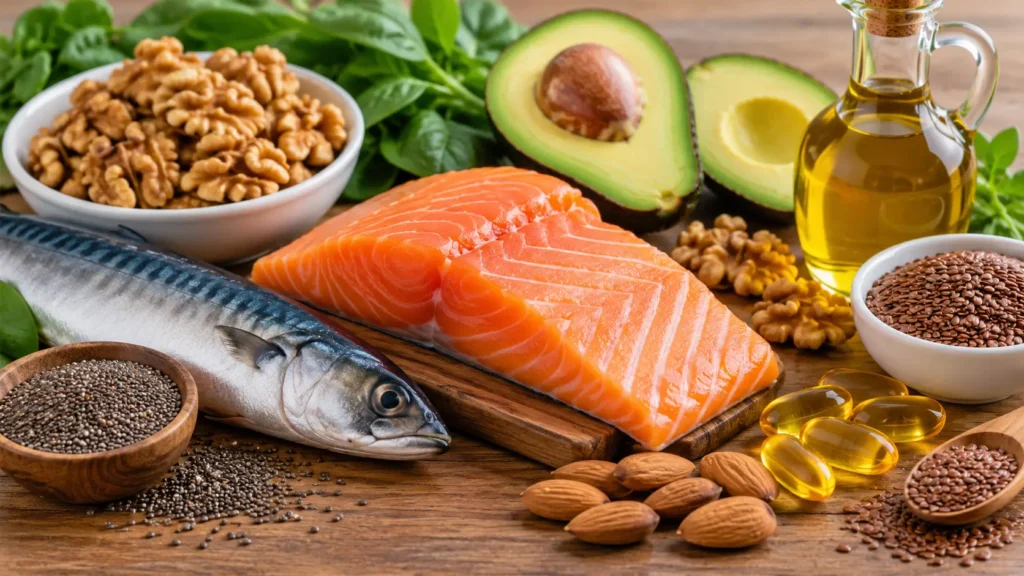
The good news is that fixing a low intake doesn’t require a complicated overhaul — just a few consistent additions to your weekly meals. Here are some of the best foods high in omega-3 for adults, split into animal-based and plant-based options.
Animal-based sources (richest in EPA and DHA):
- Salmon (wild-caught or farmed)
- Sardines
- Mackerel
- Anchovies
- Herring
- Trout
- Omega-3-enriched eggs
Plant-based sources (rich in ALA):
- Ground flaxseed or flaxseed oil
- Chia seeds
- Walnuts
- Hemp seeds
- Edamame and soybeans
- Brussels sprouts and seaweed (smaller amounts, but still contribute)
A simple rule of thumb: aim to include at least one fatty fish serving two to three times a week, and sprinkle plant-based sources like chia or flaxseed into your meals daily. Even small, consistent additions add up over time.
How to Get More Omega-3 Without Supplements
Many people assume a fish oil pill is the only fix, but there are plenty of practical ways to raise your intake through food alone. Here’s how to get more omega-3 without supplements:
- Swap your cooking oil. Use extra virgin olive oil or flaxseed oil (for cold dishes only, since flaxseed oil isn’t heat-stable) instead of soybean or corn oil.
- Add ground flaxseed to breakfast. A tablespoon stirred into oatmeal, yogurt, or a smoothie is an easy daily habit.
- Snack on walnuts. A small handful covers a meaningful portion of your daily ALA needs.
- Make canned fish your friend. Canned salmon and sardines are affordable, shelf-stable, and just as nutritious as fresh.
- Try chia pudding. Soak chia seeds in milk or a plant-based alternative overnight for an easy, omega-3-rich breakfast or dessert.
- Choose omega-3-enriched eggs. Some brands feed hens a flaxseed-based diet, boosting the omega-3 content of the eggs.
- Cut back on ultra-processed foods. Reducing fried and packaged foods naturally lowers your omega-6 intake, which helps rebalance the ratio.
- Plan one “fish night” per week. Building a simple habit, like salmon every Friday, makes consistency easier than trying to remember daily.
These small, repeatable changes tend to be more sustainable than relying on a supplement bottle you might forget to take.
How Much Omega-3 Do You Actually Need?
There isn’t one universal number, since needs vary by age, sex, and health status, but general guidance suggests most adults aim for roughly 1.1 to 1.6 grams of ALA per day from plant sources, along with at least 250–500 mg combined EPA and DHA from fish per day for general health support. People with certain health conditions may be advised to aim higher — but that’s a conversation to have with a doctor or registered dietitian, not something to self-diagnose.
FAQs
Can low omega-3 intake cause weight gain? Not directly, but chronic low-grade inflammation linked to an imbalanced omega-6 to omega-3 ratio may make it harder for some people to manage weight over time.
Is it possible to have too much omega-3? Yes, very high doses (usually only reached through concentrated supplements) can thin the blood too much. Getting omega-3 from food is generally considered safe for most adults.
How long does it take to correct an omega-3 deficiency through diet? Many people notice improvements in skin, energy, and mood within four to twelve weeks of consistently increasing intake, though this varies by individual.
Do vegetarians and vegans need to worry more about omega-3? Yes, since plant-based ALA converts to EPA and DHA at a lower rate. Prioritizing flaxseed, chia, walnuts, and algae-based options is especially important on a plant-based diet.
Final Thoughts
Low omega-3 intake symptoms often creep in gradually, which is why so many people overlook them. Dry skin, low energy, joint stiffness, and trouble focusing can all point back to something as simple as not eating enough fatty fish, walnuts, or flaxseed. The encouraging part is that fixing it usually doesn’t require supplements or drastic changes — just a few intentional swaps in your weekly meals. Start small, stay consistent, and pay attention to how your body responds over the next few weeks.
Read More: Spinach and Ricotta Ravioli: Is It Healthy? Nutrition, Calories & Easy Recipe

