
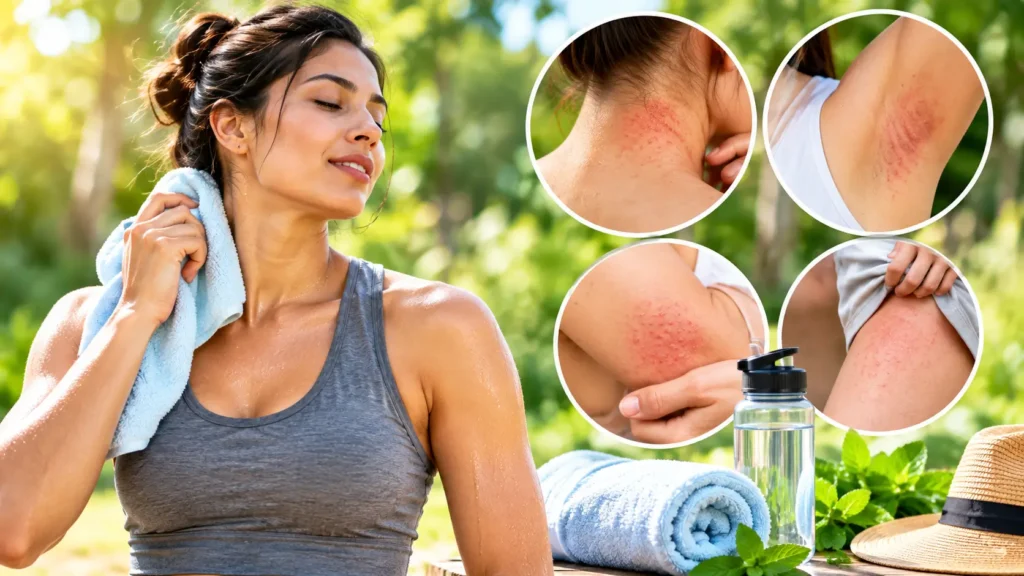
How to Prevent Heat Rash From Sweating
If you have ever walked out of a hot bus, a crowded market, or a sweaty workout and felt tiny itchy bumps rising on your neck or back, you already know how annoying heat rash can be. It stings, it prickles, and it seems to get worse the more you scratch. The good news is that this common skin problem is very manageable. Once you understand how to prevent heat rash from sweating, you can keep your skin calmer and more comfortable, even in the hottest, stickiest months.
A quick note before we begin: I am not a doctor. This article is based on well-known, widely shared skin care guidance and general health information, written to help you build healthier daily habits. It is not medical advice. If your rash is severe, painful, or not improving, please speak with a qualified healthcare professional.
What Is Heat Rash, Exactly?
Heat rash is also called sweat rash, prickly heat, or miliaria. It happens when sweat ducts in your skin get blocked. Instead of evaporating from the surface, sweat becomes trapped under the skin. That trapped moisture irritates the surrounding tissue, and the result is a cluster of small bumps, redness, and an itchy or prickling feeling.
Think of it like a garden hose with a kink in it. Water (sweat) keeps coming, but it cannot get out the way it should. Pressure and irritation build up, and the skin reacts.
Read More: Hidden Sugar in Everyday Foods: 7 Foods Americans Often Overlook
The Three Common Types of Heat Rash
Heat rash is not always the same. Here are the three main types people talk about:
- Clear, tiny bumps (miliaria crystallina): Very small, clear, fluid-filled blisters on the surface. They usually do not itch and often break easily.
- Red bumps (miliaria rubra): The classic “prickly heat.” Red, itchy, sometimes stinging bumps that show up in humid weather.
- Deeper, flesh-colored bumps (miliaria profunda): Less common. These form when sweat gets trapped in a deeper layer of skin.
Most people deal with the red, itchy version, and that is the one most of this guide focuses on.
Why Sweating Leads to Heat Rash
Sweating is healthy. It is how your body cools itself down. Heat rash does not appear because you sweat, but because sweat cannot leave the skin properly. Several everyday situations make this more likely:
- Hot and humid weather: When the air is already full of moisture, sweat cannot evaporate easily.
- Tight or synthetic clothing: Fabrics that trap heat and moisture keep sweat sitting on your skin.
- Heavy creams and thick ointments: Rich products can clog pores and sweat ducts.
- Skin-to-skin contact: Areas like the underarms, groin, under the breasts, and belly folds stay warm and damp.
- Intense exercise: A hard workout produces a lot of sweat in a short time.
- Bedding and mattress covers: Overheating at night, especially with thick blankets, can trigger a rash on the back and neck.
Once you spot the pattern, it becomes clear that most prevention comes down to three simple goals: stay cooler, keep skin dry, and let your skin breathe.
Who Is Most at Risk?
Anyone can get sweat rash, but some people tend to get it more often:
- Heat Rash in Babies and Children: Their sweat glands are still developing, and they are often dressed in too many layers.
- People living in hot, humid climates: Constant sweating without cooling breaks gives ducts little chance to recover.
- People with excess body weight: Skin folds can trap moisture and heat.
- Athletes and active people: Frequent, heavy sweating raises the risk.
- People who are bedridden or sit for long periods: Constant contact with bedding or a chair keeps the skin warm and damp.
- Anyone wearing heavy protective gear or uniforms: Think helmets, thick work clothes, or braces.
If you fall into one of these groups, the tips below matter even more for you.
How to Prevent Heat Rash From Sweating: The Core Habits
Now for the practical part. If you want to know how to prevent heat rash from sweating without turning your life upside down, focus on these everyday habits. None of them are complicated, and most cost almost nothing.
1. Choose Breathable, Loose-Fitting Clothes
What you wear is the single biggest lever you have. Loose clothes let air move across your skin so sweat can evaporate rather than pool.
- Go for natural, lightweight fabrics like cotton, linen, and bamboo blends.
- Try moisture-wicking fabrics for exercise. Many sports fabrics are designed to pull sweat away from the skin.
- Avoid tight waistbands, bra bands, and snug collars on very hot days.
- Pick light colors. They reflect heat better than dark colors.
- Wash new clothes before wearing them, since leftover finishing chemicals can irritate sensitive skin.
Polyester and nylon are not always bad, but cheap, non-breathable versions can trap heat. If you notice you always break out when wearing a certain outfit, believe your skin and retire that outfit for hot days.
2. Keep Your Body Temperature Down
Preventing overheating is half the battle. When your body does not get too hot, it does not need to sweat as heavily.
- Stay in air-conditioned or well-ventilated spaces when you can.
- Use a fan, and point it so the air moves across your skin.
- Take a cool (not ice-cold) shower during the hottest part of the day.
- Drink water regularly. Staying hydrated supports your body’s natural cooling system.
- Avoid outdoor activity between late morning and mid-afternoon when the heat peaks.
- Carry a small handheld fan or a cooling towel if you commute in hot weather.
3. Shower Soon After Sweating
Sweat left on the skin for hours can mix with dirt, bacteria, and oil. That combination is not friendly to already-stressed skin.
- Rinse off soon after exercise or heavy sweating, ideally within 30 minutes.
- Use lukewarm or cool water, since hot water can make skin more irritated and encourage more sweating afterward.
- Choose a gentle, fragrance-free cleanser. Harsh soaps can strip your skin and make it more reactive.
- Do not scrub. Rubbing hard can worsen irritation.
If you cannot shower right away, at least change out of damp clothes and pat your skin dry with a clean towel.
4. Dry Your Skin Properly
Drying sounds obvious, but many people rush this step. After bathing or sweating, pat your skin dry rather than rubbing. Pay special attention to places that stay hidden and warm: under the arms, between the thighs, under the breasts, behind the knees, and around the neck. Let these areas air-dry for a few minutes before dressing if you can.
5. Be Careful With Creams, Lotions, and Oils
Moisturizing is important for healthy skin, but in hot weather, the wrong product can work against you.
- Skip heavy, greasy products like petroleum-based ointments or thick body butters on areas prone to rash.
- Choose lightweight, oil-free, non-comedogenic lotions (products labeled to avoid clogging pores).
- Apply sunscreen, but pick a light, sweat-friendly formula. Sunburn makes any skin condition worse.
- Patch-test new products on a small area before using them all over.
6. Watch Out for Overheated Sleep
Many people wake up with a rash on the back, neck, or chest and have no idea why. Often the culprit is a hot bedroom.
- Use breathable cotton sheets.
- Skip thick comforters in warm months.
- Keep your bedroom cool and ventilated.
- Wash bedding regularly so sweat, oil, and dead skin do not build up.
- Consider a cooling pillowcase if you tend to overheat at night.
Heat Rash Prevention Tips That Actually Work Day to Day

Knowing the theory is helpful, but habits are what change outcomes. Here are some heat rash prevention tips you can slot into a normal routine.
Morning Routine
- Take a quick cool shower and dry thoroughly.
- Put on loose, breathable clothes appropriate for the day’s weather.
- Apply a light moisturizer or sunscreen if you need it.
During the Day
- Take breaks in the shade or in cooler rooms.
- Blot sweat with a clean cotton handkerchief instead of letting it sit.
- Keep a spare shirt in your bag if you sweat heavily.
- Sip water throughout the day.
Evening Routine
- Rinse off the day’s sweat and dust.
- Wear light, soft nightwear.
- Keep the bedroom cool and the fan running if needed.
For Workouts
- Choose moisture-wicking gear.
- Exercise early in the morning or later in the evening.
- Cool down slowly, then shower promptly.
- Never sit around in sweaty gym clothes.
Small changes stack up. You do not have to do everything perfectly. Even two or three of these habits can noticeably reduce how often sweat rash bothers you.
How to Prevent Heat Rash in Skin Folds
Skin folds are the hardest places to keep dry. The skin surfaces rub together, trap heat, and hold moisture. Common trouble spots include the underarms, groin, under the breasts, inner thighs, belly folds, and the back of the neck. If these areas are a frequent problem for you, here is how to prevent heat rash in skin folds with a few targeted steps:
- Keep folds clean and dry. Wash gently each day and dry them fully, including the deepest parts of the fold.
- Use a soft, breathable barrier. A clean, thin cotton cloth or moisture-wicking fabric placed between skin surfaces can absorb sweat. Change it when it gets damp.
- Wear supportive, breathable underwear and bras. Look for cotton linings and wide, soft straps that do not dig in.
- Consider a light dusting of plain powder. Some people find that a small amount of cornstarch-based or other body powder helps absorb moisture. Use it sparingly, as thick clumps can make irritation worse, and avoid powders near the face or on babies, since inhaling powder can be harmful.
- Choose anti-chafing clothing. Soft, seamless shorts under skirts or dresses can reduce rubbing.
- Air out the area. When you are at home, give your skin time uncovered in a cool room.
If a rash in a fold looks bright red, weepy, smelly, or keeps coming back, it might not be simple heat rash. Fungal or bacterial infections love warm, moist folds, so it is wise to get it checked.
Heat Rash in Babies and Children: Extra Gentle Care
Babies get heat rash often, and parents worry about it. Because I am not a doctor, I will keep this section general and encourage you to speak with your child’s pediatrician for personal guidance.
- Do not overdress the baby. A good rule of thumb is to dress them in about one more layer than you would wear yourself, not several more.
- Choose soft cotton clothes.
- Keep the room comfortably cool.
- Avoid thick creams and oils on areas with rash.
- Bathe in lukewarm water and pat the skin dry gently.
- Watch for fever, blisters, pus, or a baby who seems unusually fussy or unwell. These need a doctor’s attention.
Prickly heat in babies often appears on the neck, shoulders, chest, and in skin creases. Keeping them cool and dry is usually the main solution.
How to Stop Sweat Rash Once It Has Started
Even with the best habits, a rash can still appear. Here is how to stop sweat rash from getting worse and help your skin settle down. In many mild cases, heat rash calms on its own within a few days once the skin is cooled and no longer irritated.
- Cool down immediately. Move to a cooler place with airflow.
- Remove tight or sweaty clothing. Change into loose cotton.
- Apply a cool compress. A clean, damp cloth held gently on the area can ease the prickling. Do not rub.
- Take a cool bath or shower, then pat dry.
- Avoid scratching. It can break the skin and invite infection. Keeping nails short helps, especially for kids.
- Skip heavy creams and ointments on the rash.
- Ask a pharmacist or doctor about itch relief. Options like calamine lotion or a short course of a mild over-the-counter cream are sometimes suggested, but the right product depends on your skin and age, so get proper advice.
- Stay out of the heat until the rash has cleared.
Be patient. Your skin needs time to unblock the ducts and recover. If you keep re-exposing it to heat and sweat, it will keep flaring.
Common Mistakes That Make Sweat Rash Worse
Sometimes we do things with good intentions that backfire. Watch out for these:
- Scrubbing the rash with a loofah or rough cloth.
- Using very hot water for showers.
- Applying thick petroleum jelly or heavy oils to affected skin.
- Wearing the same sweaty clothes for hours.
- Using strongly scented soaps, body sprays, or perfumes on irritated skin.
- Picking or scratching bumps.
- Ignoring signs of infection and hoping they go away.
Diet and Lifestyle Habits That Support Cooler Skin
Food and lifestyle will not cure a rash, but they can support your body’s ability to handle heat.
- Drink enough water. Dehydration makes it harder for your body to regulate temperature.
- Eat water-rich foods such as cucumber, watermelon, oranges, and leafy vegetables.
- Go easy on very spicy meals in extreme heat if you notice they make you sweat heavily.
- Limit excess caffeine and alcohol on very hot days, as both can affect hydration.
- Get enough sleep, because tired bodies struggle more with heat.
- Keep a healthy weight if possible, as this can reduce skin-on-skin friction. Do not stress about this. Focus on comfort and sustainable habits rather than crash plans.
When to See a Doctor
Most heat rash is mild, but sometimes it needs professional care. Consider seeing a doctor or dermatologist if:
- The rash lasts longer than about a week or keeps coming back.
- It is very painful, swollen, or warm to the touch.
- You see pus, yellow crusting, or open sores.
- You develop a fever or chills.
- The rash spreads quickly.
- Lymph nodes near the rash become swollen or tender.
- A baby with a rash seems unwell, feeds poorly, or has a fever.
- You feel dizzy, weak, nauseated, or confused after being in the heat. These can be signs of heat exhaustion, which needs urgent attention.
Trust your instincts. If something feels off, getting checked is always better than guessing.
Myths About Heat Rash
Myth: Heat rash is contagious.
It is not. It comes from blocked sweat ducts, not from germs spreading from person to person.
Myth: Only babies get heat rash.
Adults get it too, especially in humid climates or during exercise.
Myth: More cream means faster healing.
Heavy products can trap heat and make things worse.
Myth: You should stop sweating to avoid it.
Sweating is healthy and necessary. The goal is to help sweat evaporate and keep ducts clear, not to block sweating.
Quick Daily Checklist for Cooler, Calmer Skin
Save this list as a simple reminder for hot days:
- Wear loose, breathable fabrics.
- Stay cool with fans, shade, and water.
- Shower after sweating and dry thoroughly.
- Keep skin folds dry with breathable layers.
- Use only light, non-greasy skin products.
- Keep bedding clean and your bedroom cool.
- Watch for early itchy bumps and act quickly.
Keep this checklist handy alongside the heat rash prevention tips above, and you will already be ahead of most people when the temperature rises.
FAQs: How to Prevent Heat Rash From Sweating
How long does heat rash last?
Mild heat rash often fades within a few days once the skin is cool and no longer irritated. Deeper or more stubborn cases can take longer. If it lasts beyond a week, check in with a healthcare professional.
Can I exercise with heat rash?
It is usually best to rest and avoid activities that make you sweat heavily until the rash improves. Exercising in the heat can worsen it.
Is heat rash the same as an allergy?
No. Heat rash is caused by blocked sweat ducts. Allergic reactions have other triggers, such as certain foods, medicines, or products, although the two can look similar to an untrained eye. If you are unsure, ask a doctor.
Does baby powder help?
Some people use small amounts to absorb moisture, but it is not for everyone. Avoid using powder near a baby’s face because inhaling it can be harmful, and ask your pediatrician first.
What is the fastest way to stop sweat rash from itching?
Cooling the skin is the quickest help. A cool compress, loose clothing, and staying in a cooler room can ease itching. For a proper itch-relief product, ask a pharmacist or doctor. If you are wondering how to stop sweat rash from coming back, the habits above are your best defense.
Final Thoughts: How to Prevent Heat Rash From Sweating
How to Prevent Heat Rash From Sweating is uncomfortable, but it is also one of the more preventable skin problems. Once you understand that the real issue is trapped sweat, not sweating itself, the solutions become simple and practical: cooler surroundings, breathable clothes, gentle cleansing, and dry, well-cared-for skin. Whether your trouble spots are your neck, back, or skin folds, small daily choices add up.
Now you know how to prevent heat rash from sweating with habits that fit into real life. Start with one or two changes this week, like switching to lighter cotton clothes and showering right after you sweat, and build from there. Your skin will thank you, especially when the temperature climbs.
Read More: Water Retention: Foods That Cause Puffiness vs Foods That Help

