
Bemotrizinol Sunscreen
Sun protection has come a long way from the thick, white, pasty sunscreens of the past. Today, cosmetic chemists are formulating advanced UV filters that protect skin without leaving a heavy residue. One such ingredient gaining popularity is Bemotrizinol sunscreen. If you’ve been researching modern sunscreen formulas, you may have come across this name on ingredient labels, especially in European and Asian skincare products.
What Is Bemotrizinol?
Bemotrizinol, also known by its chemical name Bis-Ethylhexyloxyphenol Methoxyphenyl Triazine, is an organic (chemical) UV filter used in sunscreen formulations. It is commonly sold under the trade name Tinosorb S, developed by BASF.
Unlike many older UV filters that only protect against a narrow band of ultraviolet rays, Bemotrizinol is designed to offer broad-spectrum protection, covering both UVA and UVB rays. This makes it a preferred choice among sunscreen formulators who want a lightweight yet effective option.
Read More: Fibermaxxing Diet Plan: How to Boost Daily Fiber Intake Safely
How Does Bemotrizinol Sunscreen Work?
Sunscreen ingredients generally work in one of two ways:
- Physical (mineral) filters like zinc oxide or titanium dioxide sit on the skin’s surface and reflect UV rays.
- Chemical (organic) filters like Bemotrizinol absorb UV radiation and convert it into a small amount of heat, which is then released from the skin.
Bemotrizinol is particularly valued because it is photostable, meaning it does not break down quickly when exposed to sunlight. This is a common issue with older chemical filters like avobenzone, which degrade faster and require stabilizing ingredients.
Key Benefits of Bemotrizinol Sunscreen
Here are some reasons why this ingredient is widely used in modern sunscreen formulas:
- Broad-spectrum protection – Shields skin from both UVA (aging rays) and UVB (burning rays).
- Lightweight texture – Does not leave a white cast or greasy feel, making it suitable for daily wear.
- Photostability – Maintains its protective effect for longer periods under sun exposure.
- Works well in combination – Often paired with other filters like Bis-Octrizole or octocrylene to boost overall SPF performance.
- Suitable for various skin tones – Since it’s a chemical filter, it blends invisibly into the skin.
Is Bemotrizinol Safe for Skin?
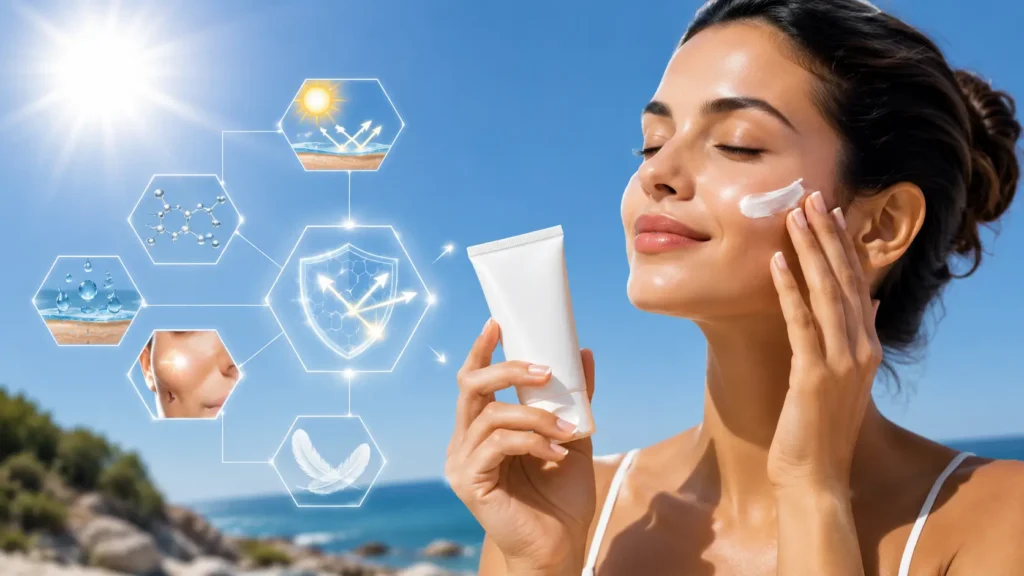
According to publicly available cosmetic safety data, Bemotrizinol has a large molecular size, which limits its penetration into the deeper layers of skin. This is one reason it’s considered a low-irritation option compared to some other chemical UV filters.
However, safety can vary from person to person. Some points to keep in mind:
- People with sensitive skin or a history of allergic reactions to chemical sunscreens should do a patch test first.
- Bemotrizinol is approved for use in many countries, though regulatory status differs — for example, it is permitted in the European Union and several Asian markets, but has faced restrictions in some other regions.
- Always check the concentration percentage and combination of ingredients listed on the product label.
Since I am not a medical professional, if you have a history of skin allergies or sensitivities, it’s best to consult a dermatologist before switching to a new sunscreen ingredient.
Bemotrizinol vs Other Common UV Filters
| UV Filter | Type | Coverage | Texture |
|---|---|---|---|
| Bemotrizinol | Chemical | UVA + UVB | Lightweight |
| Zinc Oxide | Physical | UVA + UVB | Can leave white cast |
| Avobenzone | Chemical | UVA | Less photostable alone |
| Octocrylene | Chemical | UVB | Often used as a stabilizer |
This comparison shows why many sunscreen brands combine Bemotrizinol with other filters to achieve well-rounded protection.
Who Should Consider Bemotrizinol Sunscreen?
This ingredient may be a good fit for:
- People who dislike the white cast from mineral sunscreens.
- Those looking for a lightweight, daily-wear sun protection option.
- Individuals in humid or hot climates who prefer non-greasy formulas.
- People wanting long-lasting UVA protection to help prevent premature skin aging.
How to Use Sunscreen Effectively
Regardless of which UV filter your sunscreen contains, following correct application practices matters just as much as the ingredient itself:
- Apply at least 15–20 minutes before sun exposure.
- Use a generous amount — most people apply too little.
- Reapply every 2 hours, or more often if swimming or sweating.
- Choose a broad-spectrum sunscreen with SPF 30 or higher for daily use.
- Don’t skip sunscreen on cloudy days — UVA rays penetrate clouds and glass.
FAQs
1. Is Bemotrizinol better than zinc oxide? Both have their advantages. Bemotrizinol offers a lighter texture and no white cast, while zinc oxide is often preferred for sensitive or acne-prone skin. The “better” choice depends on personal skin type and preference.
2. Can Bemotrizinol sunscreen be used daily? Yes, it is generally formulated for daily use, but individual skin reactions can vary, so patch testing is recommended.
3. Is Bemotrizinol sunscreen reef-safe? Some studies suggest Bemotrizinol has a lower environmental impact compared to older UV filters like oxybenzone, but more independent research is still needed to confirm long-term reef safety.
4. Where is Bemotrizinol commonly found? It’s frequently used in European, Korean, and Japanese sunscreen formulations, and increasingly appears in global skincare brands.
Final Thoughts
Bemotrizinol sunscreen represents a step forward in modern sun care, offering broad-spectrum protection with a lightweight, cosmetically elegant finish. While it has several advantages, choosing the right sunscreen ultimately depends on your skin type, lifestyle, and any existing sensitivities.
Disclaimer: I am not a doctor or dermatologist. This article is written for general informational purposes only, based on publicly available research. Please consult a certified dermatologist before choosing any sunscreen ingredient for your skin.
Read More: Wearables for Nervous System Tracking: Does HRV Actually Help? (2026)