
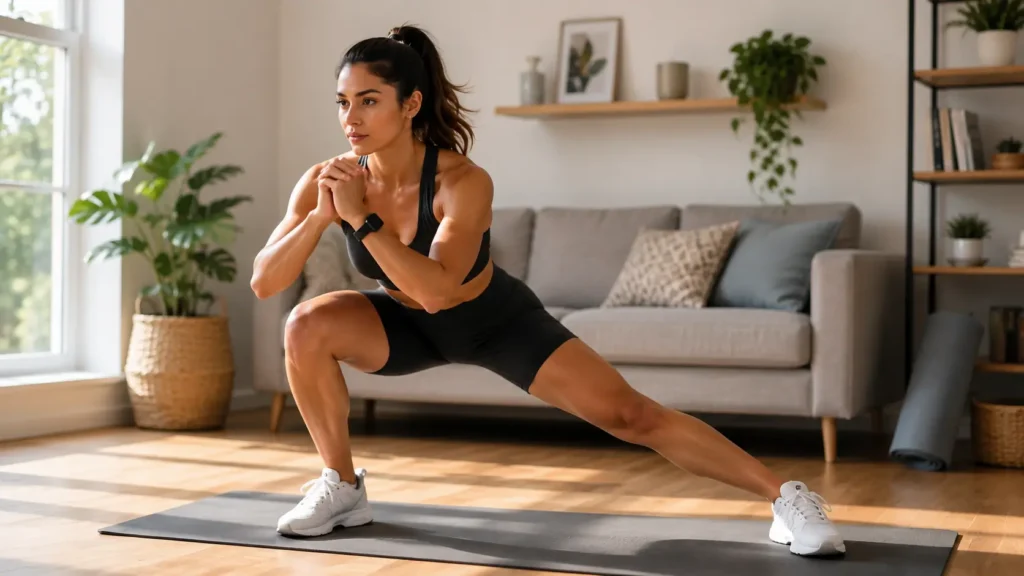
Micro Workouts
Life today moves fast. Between work deadlines, family responsibilities, and the never-ending scroll of notifications, finding a full hour to hit the gym feels almost impossible for most of us. If you’ve ever thought “I don’t have time to work out,” you’re not alone — and the good news is, you don’t need an hour anymore.
Enter micro workouts — short, focused bursts of exercise that fit into even the busiest schedule. Whether it’s a 10 minute workout before breakfast or a quick stretch session between meetings, this approach to fitness is changing how people think about staying active in 2026.
Disclaimer: This article is for general informational purposes only and is not a substitute for professional medical advice. I am not a doctor. Please consult a certified fitness trainer or healthcare provider before starting any new exercise routine, especially if you have existing health conditions.
What Are Micro Workouts?
Micro workouts are short bursts of physical activity, usually lasting anywhere from 1 to 10 minutes, done multiple times throughout the day. Instead of one long gym session, you break your movement into smaller, more manageable chunks.
Think of it like this: instead of doing 30 pushups in one go, you do 10 pushups three times a day — once in the morning, once at lunch, and once in the evening. The total effort adds up, but each session feels light and doable.
This style of training is especially useful for:
- People with unpredictable or packed schedules
- Beginners who find long workouts intimidating
- Remote workers looking to break up long sitting hours
- Anyone searching for fitness for busy schedule solutions that actually stick
Read More: Mosquito-Borne Illnesses in Summer 2026: Symptoms and Prevention Tips
Why Micro Workouts Actually Work
It’s natural to wonder if 10 minutes of exercise can really make a difference. The answer, backed by growing research and real-world results, is yes.
1. Consistency Beats Intensity
One of the biggest reasons people quit fitness routines is burnout. Long, exhausting sessions are hard to sustain. Short, 10 minute exercise at home sessions are far easier to stick with long-term, and consistency is what drives real results — not one intense session followed by two weeks of nothing.
2. It Fits Into “Dead Time”
Waiting for coffee to brew, sitting through a conference call on mute, or watching a video buffer — these small pockets of time add up. Micro workouts turn these moments into opportunities for movement instead of wasted time.
3. Lower Mental Barrier to Start
Telling yourself “I’ll do 10 minutes” is far less intimidating than “I need to work out for an hour.” This small shift in mindset makes it much easier to actually begin — and starting is often the hardest part.
4. Boosts Energy and Focus
Short bursts of movement increase blood flow and release endorphins, which can improve focus and mood almost immediately. Many people report feeling more alert after a quick set of squats or jumping jacks than after a cup of coffee.
Micro Workouts vs Traditional Workouts
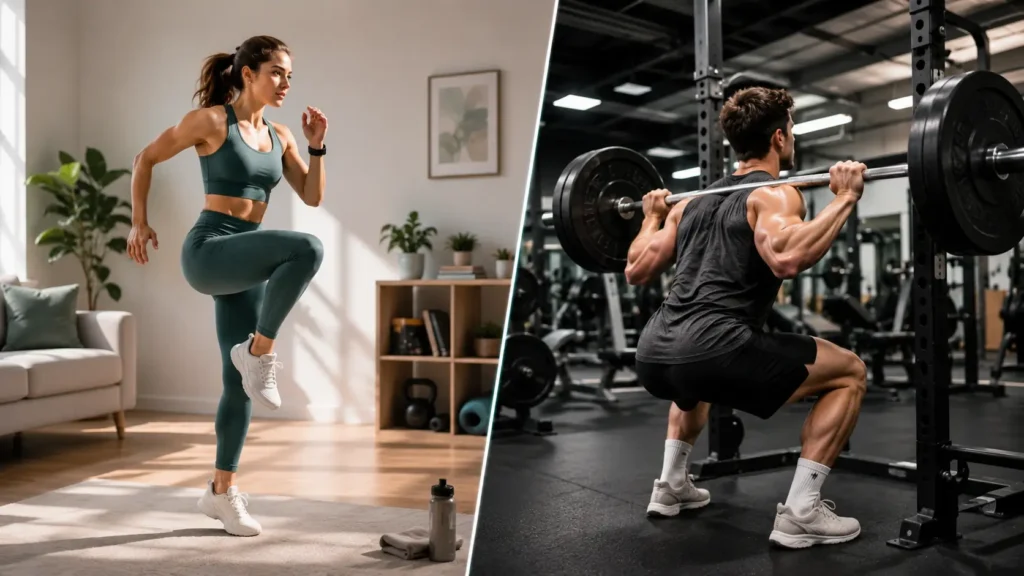
A common question people ask is: micro workouts vs traditional workouts — which one is actually better?
The honest answer is that it depends on your goals and lifestyle.
| Factor | Micro Workouts | Traditional Workouts |
|---|---|---|
| Time required | 5–10 minutes per session | 45–60+ minutes |
| Equipment | Minimal or none | Often gym-based |
| Best for | Busy schedules, beginners | Structured strength/muscle goals |
| Consistency | Easier to maintain | Harder to maintain long-term |
| Flexibility | Can be done anywhere | Usually requires a set location |
If your goal is general fitness, better energy, and building a sustainable habit, micro workouts are hard to beat. If you’re training for a specific sport or serious muscle-building goal, a mix of both approaches often works best.
How to Build a Simple Micro Workout Routine
Creating your own micro workout routine doesn’t require any special planning software or expensive equipment. Here’s a simple framework to get started:
Step 1: Pick 3 Time Slots
Choose three points in your day when you can realistically pause for a few minutes — for example, right after waking up, during a lunch break, and before dinner.
Step 2: Choose 2–3 Exercises Per Slot
Keep it simple. A few effective bodyweight exercises are all you need:
- Squats
- Pushups (or knee pushups)
- Jumping jacks
- Plank holds
- Lunges
- High knees
Step 3: Set a Timer
Use a simple 5–10 minute timer and move continuously, resting only if needed. This keeps the session efficient and prevents it from stretching longer than planned.
Step 4: Track Your Sessions
Even a simple checklist on your phone can help you stay accountable. Watching your consistency build over a week is often more motivating than watching the scale.
Best Micro Workouts for Busy People (No Gym Needed)
Here are a few Efficient workouts no gym required, perfect for home, office, or even a hotel room while traveling:
1. The Morning Wake-Up (5 minutes)
- 30 seconds jumping jacks
- 30 seconds squats
- 30 seconds plank
- Repeat 3 times
2. The Desk Break Reset (3 minutes)
- 15 chair squats
- 10 desk pushups
- 20 seconds standing stretch
3. The Evening Wind-Down (7 minutes)
- 10 lunges (each leg)
- 15 glute bridges
- 30 second plank hold
- 1 minute light stretching
These quick workouts for busy people require zero equipment and can be done in work clothes if needed — no gym bag necessary.
5-Minute Workout Breaks at Work
Sitting for long hours is one of the biggest health challenges of modern work life. Adding short movement breaks throughout your workday can help counter this.
Try this simple approach: every 90 minutes, step away from your screen for a 5-minute workout break at work. A quick round of stretches, a short walk around the office, or a few sets of bodyweight squats can help reduce stiffness, improve circulation, and refresh your focus for the next task.
Why Micro Workouts Are Trending in 2026
Fitness trends are shifting toward flexibility and personalization, and best micro workouts 2026 searches reflect this shift. A few reasons this trend continues to grow:
- Remote and hybrid work has changed daily routines, making rigid gym schedules harder to maintain
- Wearable fitness trackers now make it easy to monitor short activity bursts throughout the day
- Mental health awareness has grown, and short workouts are recognized as an easy stress-reliever
- Time scarcity remains one of the top reasons people give for skipping exercise altogether
As lifestyles continue to prioritize flexibility, short workouts that actually work are becoming the go-to solution for people who want results without rearranging their entire day.
Tips to Stay Consistent With Micro Workouts
Starting is easy — staying consistent is where most people struggle. Here are a few practical tips:
- Anchor it to an existing habit. Attach your micro workout to something you already do daily, like brushing your teeth or making coffee.
- Keep equipment (if any) visible. A yoga mat or resistance band left in sight is a simple visual reminder.
- Don’t aim for perfection. Missing one day doesn’t mean starting over — just pick up the next slot.
- Celebrate small wins. Completing a week of consistent micro workouts is worth acknowledging.
Frequently Asked Questions
Q: Can 10-minute workouts really replace a full gym session? They won’t replace dedicated strength training for advanced fitness goals, but for general health, energy, and consistency, short workouts can be highly effective — especially when done multiple times a day.
Q: How many micro workouts should I do per day? Most people find success with 2–3 short sessions spread across the day, totaling 15–30 minutes of movement.
Q: Do I need any equipment for micro workouts? No. Bodyweight exercises like squats, pushups, lunges, and planks are enough to get started.
Q: Are micro workouts good for weight loss? When combined with a balanced diet, regular movement — even in short bursts — can support weight management goals over time.
Final Thoughts
You don’t need a fancy gym membership or hours of free time to build a healthier lifestyle. Micro workouts offer a realistic, sustainable way to stay active — even on your busiest days. Start small, stay consistent, and let those 10-minute sessions add up to real, lasting change.
Read More: Jogging vs Cycling for Weight Loss: Which Burns More Calories? Complete Guide