
PCOS Gets a New Name — PMOS
A Name That Misled Millions — Until Now
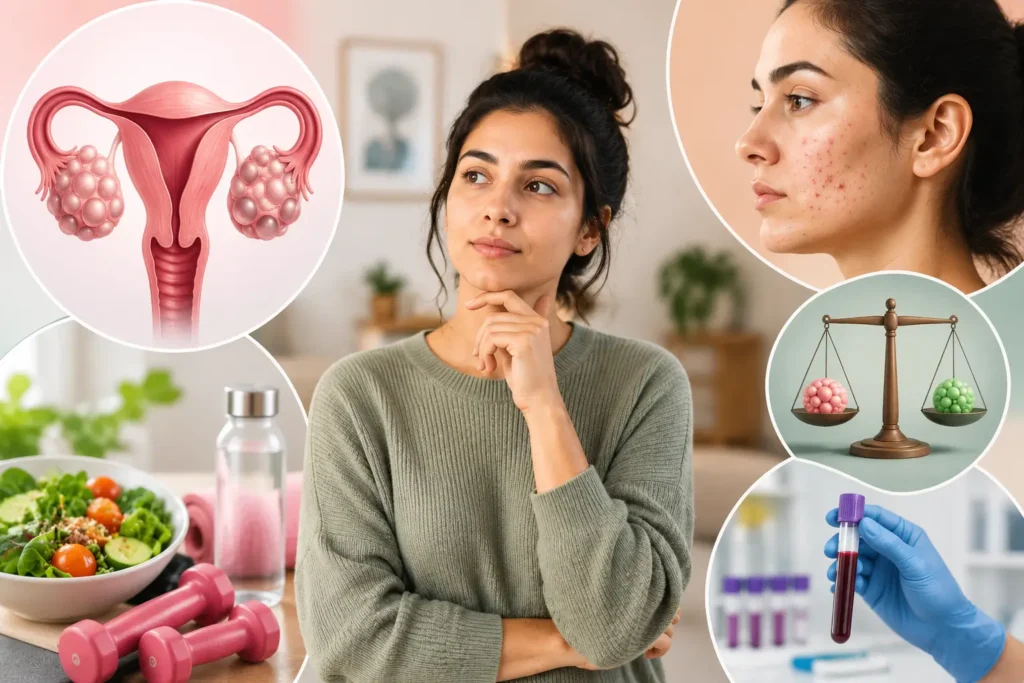
For decades, millions of women around the world were told they had Polycystic Ovary Syndrome (PCOS). The name suggested that the condition was all about cysts on the ovaries. But here’s the problem — many women with PCOS never had ovarian cysts at all.
This single, critical inaccuracy led to countless missed diagnoses, dismissed symptoms, and inadequate treatment for over 170 million women globally.
That changes now.
In a landmark global consensus published in The Lancet on May 13, 2026, PCOS has been officially renamed Polyendocrine Metabolic Ovarian Syndrome — or PMOS. This is not just a one-letter swap. It is a long-overdue medical and social revolution in how the world understands one of the most common hormonal conditions affecting women.
Here is everything you need to know about this historic name change.
What Is PMOS? — The New Name Explained
PMOS stands for Polyendocrine Metabolic Ovarian Syndrome. Let’s break down what each word actually means:
- Poly — Multiple or many
- Endocrine — Relating to hormones and the hormonal system
- Metabolic — Connected to metabolism, insulin, and cardiometabolic health
- Ovarian — Still acknowledges the role of the ovaries
- Syndrome — A collection of symptoms, not a single disease
Together, the new name accurately describes what the condition truly is — a complex, multisystem hormonal disorder that affects far more than just the ovaries.
Read More: PCOD vs PCOS: What Every Woman Should Know
Why Was PCOS Gets a New Name — PMOS?
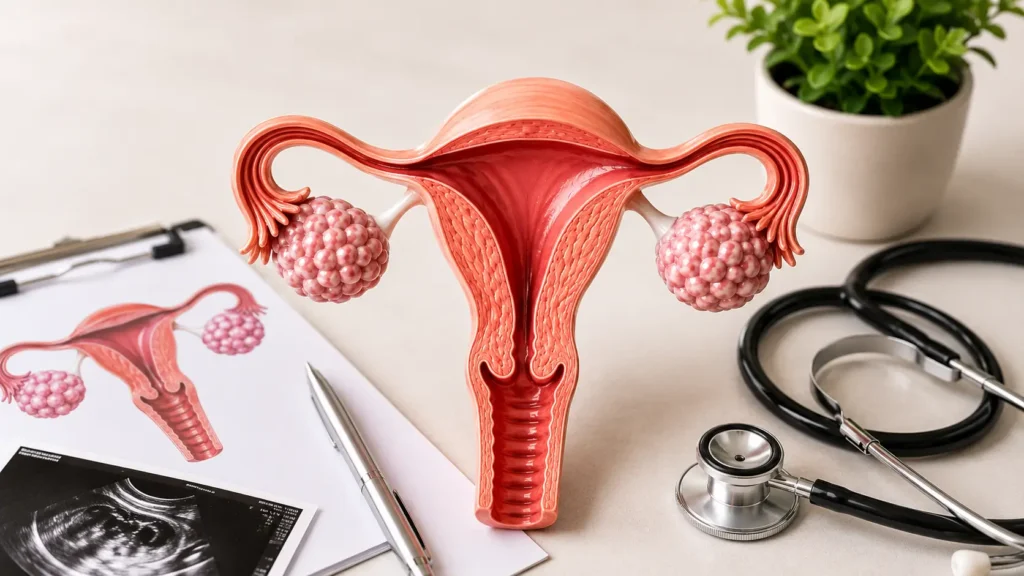
The renaming of PCOS to PMOS did not happen overnight. It was the result of over a decade of research, surveys, and global debates involving clinicians, researchers, and most importantly — patients.
The Problems With the Old Name “PCOS”:
- Inaccurate: The name implied that ovarian cysts were the defining feature of the condition. In reality, many women with PCOS/PMOS never develop cysts.
- Misleading for Doctors: Physicians sometimes dismissed patients who did not present with cysts, even when they had all other symptoms.
- Contributed to Stigma: The term “cystic” made the condition seem primarily gynecological, sidelining its hormonal and metabolic dimensions.
- Delayed Diagnosis: The World Health Organization estimates that 70% of people with this condition remain undiagnosed globally — largely due to the confusion the old name created.
- Fragmented Care: Because the name pointed to the ovaries, many women were treated only by gynecologists, missing out on the endocrinologists and metabolic specialists they actually needed.
As the Endocrine Society put it — the old name reduced a complex, long-term hormonal disorder to a misunderstanding about cysts, and it was long past time to fix that.
How Was the New Name Chosen? — A Global Effort
This name change is the result of one of the most inclusive medical consensus processes in history.
Key Highlights of the Renaming Process:
- 11 years of research and debate
- Inputs from 22,000+ people, including patients and healthcare professionals from every region of the world
- Participation from 56 leading academic, clinical, and patient organizations, including the Endocrine Society
- Multiple global surveys using modified Delphi methods and nominal group technique workshops
- Final agreement on the new name reached in February 2026
- Published in The Lancet and presented at the European Congress of Endocrinology in Prague
The process was led by Professor Helena Teede from Monash University, Australia, who spent decades researching the condition and witnessing its impact firsthand.
PCOS vs PMOS — What Has Actually Changed?
Many women are wondering: Does this name change affect my diagnosis or treatment?
Here’s a clear comparison:
| Feature | PCOS (Old) | PMOS (New) |
|---|---|---|
| Full Name | Polycystic Ovary Syndrome | Polyendocrine Metabolic Ovarian Syndrome |
| Focus | Ovarian cysts | Hormones + Metabolism + Ovaries |
| Symptoms Covered | Partial | Full spectrum |
| Diagnosis Accuracy | Often missed | Expected to improve |
| Medical Specialties Involved | Primarily Gynecology | Endocrinology + Metabolism + Gynecology |
| Stigma Level | Higher | Lower |
The core symptoms remain the same — irregular periods, weight gain, acne, excess hair growth (hirsutism), fertility issues, insulin resistance, and mental health challenges. But the new name ensures that all of these symptoms are taken seriously together, not in isolation.
What Does PMOS Mean for Women in India?

India has one of the highest rates of PCOS/PMOS in the world. Studies suggest that 1 in 5 Indian women of reproductive age may be affected — a significantly higher prevalence than the global average of 1 in 8.
Why This Renaming Matters Especially for Indian Women:
- Awareness Gap: Many Indian women are diagnosed only after fertility struggles, by which time metabolic complications have already set in.
- Doctor Shopping: Because PCOS symptoms are spread across multiple systems, Indian women often visit multiple specialists — gynecologists, dermatologists, dietitians — without receiving a unified diagnosis.
- Mental Health Impact: Depression, anxiety, and body image issues linked to PMOS are frequently overlooked in Indian clinical settings.
- Insulin Resistance: Indian women with PMOS tend to have higher rates of insulin resistance due to dietary and genetic factors, making the metabolic component of the new name especially relevant.
The renaming could be a turning point in getting Indian healthcare systems, insurers, and medical schools to treat PMOS as the serious, long-term systemic condition that it is.
Symptoms of PMOS — The Full Picture
Because PMOS affects multiple systems, its symptoms are wide-ranging:
Hormonal Symptoms:
- Irregular or absent menstrual cycles
- Elevated androgen (male hormone) levels
- Excess facial and body hair (hirsutism)
- Male-pattern hair thinning or hair loss
Metabolic Symptoms:
- Insulin resistance
- Weight gain, especially around the abdomen
- Type 2 diabetes risk
- High cholesterol and cardiovascular risk
Skin-Related Symptoms:
- Acne (especially hormonal, along the jawline)
- Darkening of skin in body folds (acanthosis nigricans)
Reproductive Symptoms:
- Difficulty conceiving
- Polycystic-appearing ovaries on ultrasound (not always present)
- Recurrent miscarriages
Psychological Symptoms:
- Anxiety and depression
- Low self-esteem related to physical symptoms
- Disordered eating
What Should You Do If You Have PCOS/PMOS?
If you have already been diagnosed with PCOS, here is what you need to know right now:
- Your diagnosis is still valid — PMOS is the same condition, just better named
- Your medications and treatment plan do not change immediately
- Ask your doctor to evaluate your metabolic and hormonal health holistically, not just ovarian function
- Monitor blood sugar and insulin levels alongside hormonal panels
- Seek an endocrinologist if your care has been limited to gynecology alone
- Do not ignore mental health — anxiety and depression are part of PMOS, not separate issues
A Quote That Says It All
“Renaming this condition is more than semantics; it’s about finally recognizing the full reality of what patients experience.” — Dr. Melanie Cree, MD, PhD, Pediatric Endocrinologist, University of Colorado Anschutz
Conclusion: One Letter. A Million Lives Changed.
The shift from PCOS to PMOS may look like a simple one-letter change on paper. But for the 170 million women living with this condition around the world — and the millions more who remain undiagnosed — it represents something far more significant.
It represents being seen, heard, and accurately described by the medical community for the first time.
It is a promise that doctors will look beyond the ovaries. That researchers will fund studies into the metabolic and hormonal complexities. That women will no longer be dismissed because they “don’t have cysts.”
PMOS is not a new disease. It is a long-overdue truth.
Read More: Why Ultra-Processed Foods Are Silently Destroying Your Health — And What to Eat Instead


as I website owner I think the articles here is rattling superb, thankyou for your efforts.
thank you for visiting my site. shere you friends.
https://vitalmindflow.com/
Thank you for appreciating my website https://vitalmindflow.com/
But wanna admit that this is very useful, Thanks for taking your time to write this.
you got a very fantastic website, Gladiolus I detected it through yahoo.
europa casino aktionscode
Take a look at my blog post: freispiele bei 10
euro einzahlung (Maxwell)
Thank you for stopping by and leaving a comment. We appreciate it.
https://vitalmindflow.com/
dental tartar removal official site
Thank you https://vitalmindflow.com/
экскурсии пхукет 2026 стоимость экскурсий на пхукете 2026
Thank you
https://vitalmindflow.com/
gta 5 money mod online mods for gta 5 ps5
Thanks for your comment. We appreciate you taking the time to share this.
https://vitalmindflow.com/
wild trucks free play https://wild-trucks-rules.xyz
Thanks for sharing. We appreciate your comment. https://vitalmindflow.com/