
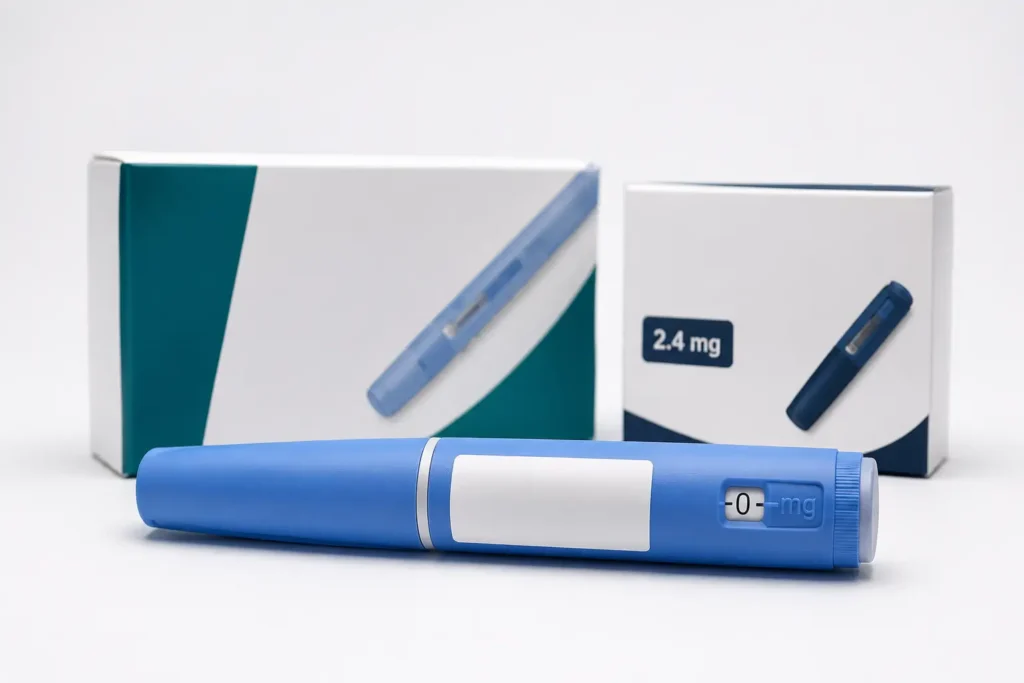
Ozempic and GLP-1 Drugs
What Are GLP-1 Drugs? The Science Made Simple
GLP-1 stands for Glucagon-Like Peptide-1 — a hormone your body naturally produces after eating. It signals your brain that you’re full, slows digestion, and helps regulate blood sugar levels.
GLP-1 receptor agonists are medications that mimic this hormone, amplifying these effects. Originally developed to treat Type 2 diabetes, researchers quickly noticed a powerful side effect: significant, sustained weight loss.
The most well-known GLP-1 drugs include:
- Semaglutide — sold as Ozempic weight loss (injection, for diabetes) and Wegovy side effects (injection, for weight loss)
- Tirzepatide — sold as Mounjaro (diabetes) and Zepbound (weight loss), which targets both GLP-1 and GIP receptors
- Survodutide — a next-generation GLP-1/glucagon drug showing even stronger results in Phase 3 clinical trials in 2026
- Oral Semaglutide — the newest breakthrough: Ozempic is now available in pill form, eliminating the need for weekly injections
Read More: Gut Health & Late-Night Eating: How It Affects Your Body After Dark
How Do These Drugs Actually Cause Weight Loss?

GLP-1 drugs work through multiple pathways simultaneously, which is why they’re so effective compared to older weight loss medications:
1. Appetite Suppression They act directly on the brain’s hunger centers, reducing appetite and food cravings. Most users report simply feeling less interested in food — especially high-calorie, ultra-processed options.
2. Slowed Gastric Emptying Food stays in your stomach longer, keeping you feeling full for extended periods after meals.
3. Blood Sugar Regulation By improving insulin sensitivity and reducing glucose spikes, these drugs help prevent the energy crashes that often trigger overeating.
4. Behavioral Changes New research published in May 2026 found a fascinating insight: Ozempic weight loss works dramatically better for some people than others — specifically those who overeat because food visually tempts them, rather than those eating out of stress or habit. This is reshaping how doctors prescribe these medications.
The Results: What Clinical Trials Show
The clinical data on GLP-1 drugs is genuinely impressive:
- Wegovy (semaglutide): Participants lost an average of 15–17% of their body weight over 68 weeks
- Zepbound (tirzepatide): Even more striking results — up to 22% body weight reduction in trials
- Survodutide (new 2026): Phase 3 trials show it may outperform existing drugs, curbing appetite more aggressively while also improving metabolic markers
- GLP-1 drugs containing tirzepatide have also been shown to significantly reduce heart-related health risks for people with serious cardiovascular conditions
These aren’t small numbers. For context, most lifestyle interventions (diet + exercise alone) typically produce 5–10% weight loss over the same period.
The Hidden Costs and Risks — What No One Tells You
Despite the excitement, GLP-1 drugs come with important caveats that deserve honest attention.
Common Side Effects
- Nausea and vomiting (especially in the first few weeks)
- Constipation or diarrhea
- Fatigue and dizziness
- Acid reflux
Most side effects are manageable and fade over time, but they cause some users to discontinue treatment early.
The Social Twist
A surprising 2026 study revealed a troubling trend: people who lose weight using GLP-1 medications may actually face more social judgment than those who lose weight through diet and exercise alone. Society still attaches moral value to weight loss “methods” — something researchers and advocates are now calling out loudly.
The Weight Regain Problem
Perhaps the most critical issue: weight returns when you stop the medication. Studies show most patients regain the majority of lost weight within a year of discontinuing GLP-1 drugs. This raises serious questions about long-term use, cost, and dependency.
Cost and Accessibility
Monthly costs for Wegovy or Zepbound can range from $800 to $1,300 without insurance in many countries. While the new oral semaglutide pill form (launched in 2026) offers slightly more convenience, pricing remains a major barrier for most people globally.
Who Should Consider GLP-1 Drugs?
GLP-1 medications are currently approved for:
- Adults with a BMI of 30 or higher (obesity)
- Adults with a BMI of 27 or higher with at least one weight-related health condition (such as Type 2 diabetes, high blood pressure, or high cholesterol)
- People with Type 2 diabetes (Ozempic, Mounjaro)
They are not recommended for:
- Pregnant or breastfeeding women
- People with a personal or family history of medullary thyroid cancer or MEN2 syndrome
- Those with a history of pancreatitis
Always consult a qualified healthcare provider before starting any GLP-1 medication.
Oral Ozempic pill — The 2026 Game Changer
One of the biggest health news stories of May 2026 is the launch of oral semaglutide — oral Ozempic pill form — for people with Type 2 diabetes. Novo Nordisk’s lower-dose oral formulation delivers comparable results to the injection, potentially opening access to millions of patients who are needle-averse or have limited access to healthcare settings.
Analysts predict that if oral GLP-1s are approved broadly for weight management, it could double the addressable market for these medications globally within the next three years.
The Future of GLP-1 Drugs: What’s Coming Next
The GLP-1 revolution is far from over. Here’s what researchers are working on:
- “Trojan Horse” obesity drug (2026): Scientists have developed a next-generation obesity drug that uses GLP-1/GIP signals to deliver a powerful metabolic enhancer directly into target cells. In early trials on mice, it outperformed all existing treatments
- GLP-1 for mental health: New data shows semaglutide may significantly reduce depression and anxiety risk — a completely unexpected benefit that’s now being actively studied
- Brain health applications: Researchers are investigating whether GLP-1 drugs might slow cognitive decline and reduce Alzheimer’s risk
- Personalized prescribing: AI tools are being developed to match patients to specific GLP-1 drugs based on their individual eating patterns and biology
The Bottom Line
GLP-1 drugs like Ozempic, Wegovy, and Zepbound represent a genuine scientific breakthrough in obesity treatment — one that has already helped millions of people reclaim their health and confidence. The arrival of oral formulations in 2026 and next-generation drugs like survodutide suggest this field will only accelerate.
But they are not magic pills. They work best as part of a comprehensive approach that includes dietary changes, physical activity, mental health support, and regular medical supervision. The question isn’t just whether these drugs work — the evidence says they clearly do. The real questions are about access, affordability, long-term safety, and building a world where weight management is treated as a health issue, not a moral one.
Read More: AI-Powered Personalized Yoga: Benefits for Your Health in 2026