
Pumpkin Health Benefits for Adults
When autumn arrives, pumpkins show up everywhere — on porches, in lattes, and on dinner tables. But beyond the seasonal decoration and cozy flavor, pumpkin is one of the most underrated superfoods you can add to your plate. If you’re curious about pumpkin health benefits for adults, this guide breaks down exactly why this humble orange squash deserves a permanent spot in your fall diet.
Disclaimer: I am not a doctor, and this article is for general informational purposes only. Please consult a qualified healthcare professional before making major changes to your diet, especially if you have an existing medical condition.
Let’s dig into the real pumpkin nutrition benefits, backed by what nutrition science already knows about this fall favorite.
Read More: Internal Shower Drink Chia Seeds: What It Actually Does to Your Gut
What Makes Pumpkin So Nutritious?
Before jumping into the benefits, it helps to understand what’s actually inside a pumpkin. A single cup of cooked, cubed pumpkin is low in calories but surprisingly rich in nutrients, including:
- Vitamin A (from beta-carotene) — supports eyes and immunity
- Vitamin C — an antioxidant that helps the immune system
- Potassium — supports healthy blood pressure
- Fiber — aids digestion and helps you feel full longer
- Iron and Vitamin E — support energy and skin health
- Antioxidants like lutein and zeaxanthin — support eye health
This nutrient density is exactly why pumpkin keeps showing up in “superfood” conversations every fall.
9 Amazing Pumpkin Health Benefits for Adults
1. Packed With Immune-Boosting Vitamins
One of the most talked-about pumpkin health benefits for adults is its strong vitamin A and vitamin C content. These two nutrients work together to support a healthy immune response, which is especially useful as the weather turns colder and seasonal illnesses become more common. A single serving of pumpkin can provide a meaningful percentage of your daily vitamin A needs.
2. Is Pumpkin Good for Weight Loss? Yes, Here’s Why
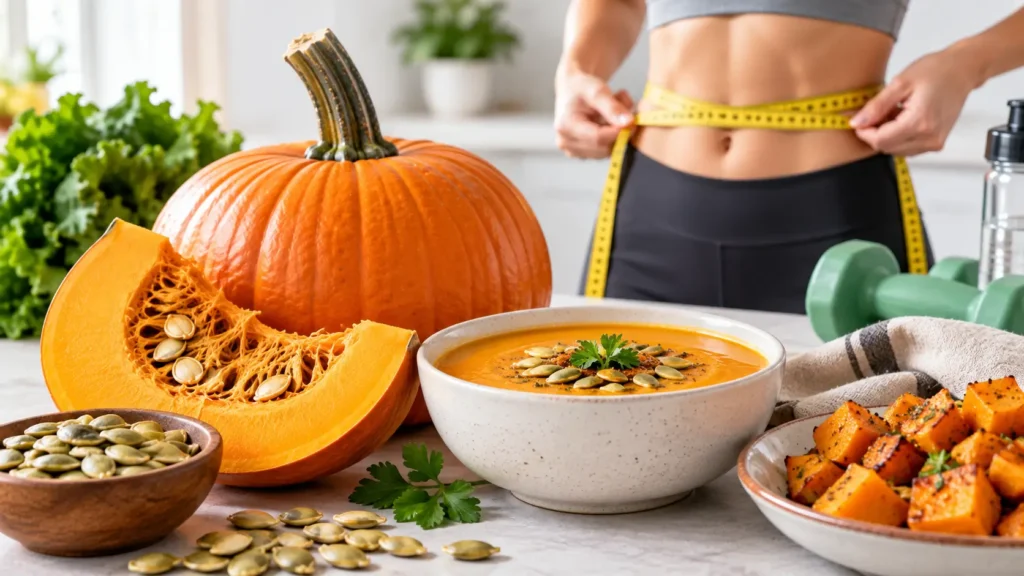
If you’ve been wondering, is pumpkin good for weight loss, the short answer is: it can definitely help as part of a balanced diet. Here’s why:
- Pumpkin is naturally low in calories (around 49 calories per cup, cooked)
- It contains a good amount of fiber, which promotes a feeling of fullness
- It has a high water content, adding volume to meals without adding many calories
- It can replace higher-calorie ingredients in recipes like soups, baked goods, and smoothies
Because it’s filling without being calorie-dense, pumpkin is a smart swap for people trying to manage their weight without giving up flavor or variety.
3. Supports Healthy Digestion
Fiber is one of pumpkin’s biggest strengths. A healthy intake of dietary fiber helps keep digestion regular, supports gut bacteria, and may reduce bloating and discomfort. Adding pumpkin to soups, stews, or oatmeal is a simple way to boost your daily fiber intake without much effort.
4. Promotes Heart Health
Potassium plays a key role in regulating blood pressure, and pumpkin happens to be a solid source of it — often compared to bananas in potassium content per serving. Combined with fiber and antioxidants, pumpkin may support overall cardiovascular wellness when eaten as part of a heart-conscious diet.
5. Great for Eye Health
This is one of the most well-documented pumpkin nutrition benefits. Pumpkin is rich in beta-carotene, which the body converts into vitamin A — a nutrient essential for maintaining healthy vision, particularly night vision. It also contains lutein and zeaxanthin, two antioxidants known to support long-term eye health.
6. May Help Balance Blood Sugar Levels
Some research suggests that pumpkin’s natural compounds, including certain polysaccharides, may help support healthy blood sugar regulation. While pumpkin should never replace medical treatment for diabetes, its combination of fiber and low glycemic impact makes it a smarter carbohydrate choice compared to many other starchy vegetables.
7. Supports Glowing Skin
Thanks to its vitamin A, vitamin C, and vitamin E content, pumpkin supports collagen production and helps protect skin cells from oxidative stress. Some people even use pumpkin-based face masks for a gentle, natural glow — though eating it consistently is the more reliable way to support skin from the inside out.
8. Helps Improve Sleep Quality
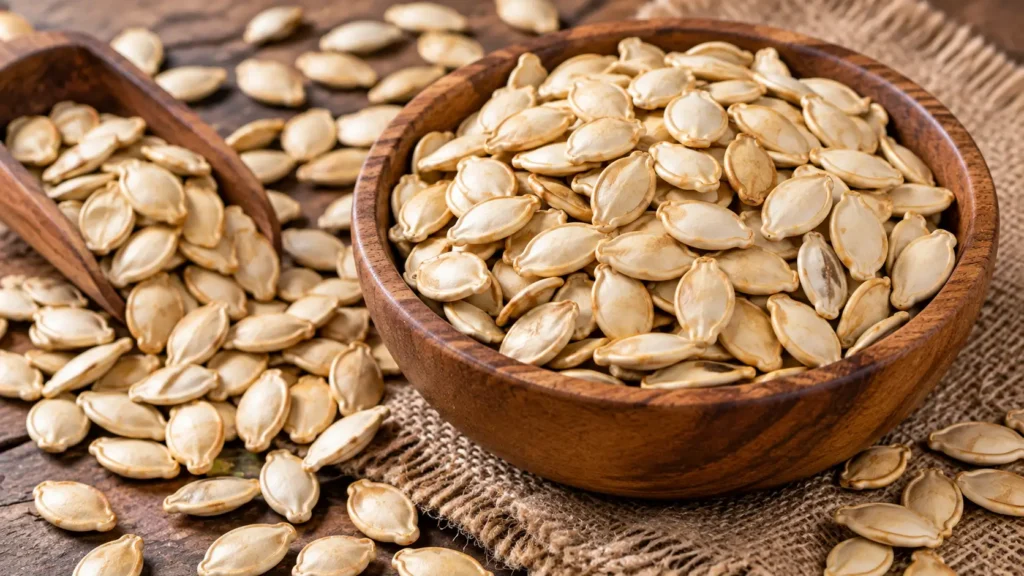
Pumpkin seeds, in particular, contain tryptophan — an amino acid the body uses to produce serotonin and melatonin, both of which are linked to better sleep. A small handful of roasted pumpkin seeds in the evening can be a simple, natural addition for adults looking to support their sleep routine.
9. Supports Bone and Muscle Health
Pumpkin seeds also offer magnesium and zinc, two minerals important for bone strength and muscle function. As adults age, maintaining adequate mineral intake becomes increasingly important, and pumpkin seeds are an easy, tasty way to help fill that gap.
Healthy Ways to Eat Pumpkin
Knowing the benefits is one thing — actually enjoying pumpkin regularly is another. Here are some simple and healthy ways to eat pumpkin that go beyond pumpkin pie:
- Roasted pumpkin cubes — toss with olive oil, salt, and pepper, then roast until caramelized
- Pumpkin soup — blend cooked pumpkin with broth, garlic, and a touch of cream or coconut milk
- Pumpkin smoothie — combine pumpkin puree, banana, cinnamon, and milk of choice
- Pumpkin oatmeal — stir pumpkin puree into your morning oats with a dash of nutmeg
- Roasted pumpkin seeds — a crunchy, protein-rich snack
- Pumpkin puree in baking — use it as a substitute for oil or butter in muffins and breads
- Pumpkin curry — simmer with lentils and spices for a hearty, warming meal
- Pumpkin spice tea — a light, comforting alternative to sugary lattes
These options make it easy to enjoy pumpkin’s benefits without getting bored of the same recipe every week.
Quick Pumpkin Nutrition Facts 100g (Per 1 Cup Cooked, Cubed)
| Nutrient | Approximate Amount |
|---|---|
| Calories | 49 |
| Fiber | 2.7 g |
| Vitamin A | Over 200% Daily Value |
| Vitamin C | ~19% Daily Value |
| Potassium | ~16% Daily Value |
| Protein | 2 g |
These numbers can vary slightly depending on preparation and pumpkin variety, but they give a clear picture of just how nutrient-dense this fall vegetable really is.
Who Should Be Careful With Pumpkin?
Pumpkin is safe for most people, but a few things are worth keeping in mind:
- People with certain allergies (rare, but possible with squash family vegetables) should introduce it cautiously
- Store-bought pumpkin pie filling or canned pumpkin desserts often contain added sugar, which can offset some of the health benefits
- Those on medication for blood pressure or blood sugar should talk to a healthcare provider before making major dietary changes, since pumpkin can interact with how the body manages these levels
FAQs
Is pumpkin good for weight loss?
Yes. Pumpkin is low in calories, high in fiber, and has a high water content, making it a filling, weight-friendly food when eaten in place of higher-calorie ingredients.
What are the main pumpkin health benefits for adults?
Key benefits include immune support, better digestion, heart health, eye health, and skin support, thanks to pumpkin’s vitamins A and C, fiber, and antioxidants.
Are pumpkin seeds as healthy as pumpkin flesh?
Yes, in some ways even more so. Pumpkin seeds are rich in magnesium, zinc, and healthy fats, making them a great addition alongside pumpkin flesh.
What’s the healthiest way to eat pumpkin?
Roasting, blending into soups, or adding puree to oatmeal and smoothies are some of the healthiest ways to eat pumpkin, since they avoid the added sugar found in many pumpkin desserts.
Final Thoughts
Pumpkin is more than just a fall decoration or a flavor added to seasonal drinks — it’s a genuinely nutrient-rich vegetable with real, science-backed benefits. From supporting your immune system to helping you manage your weight, the pumpkin nutrition benefits covered here make a strong case for adding it to your weekly meals this season.
Whether you roast it, blend it into a smoothie, or snack on the seeds, there are plenty of healthy ways to eat pumpkin that fit almost any lifestyle. As always, if you have specific health concerns, it’s best to check with a doctor or registered dietitian before making significant dietary changes.
Read More: Legs Up the Wall for Weight Loss: 7 Benefits, Side Effects & How to Do It

