
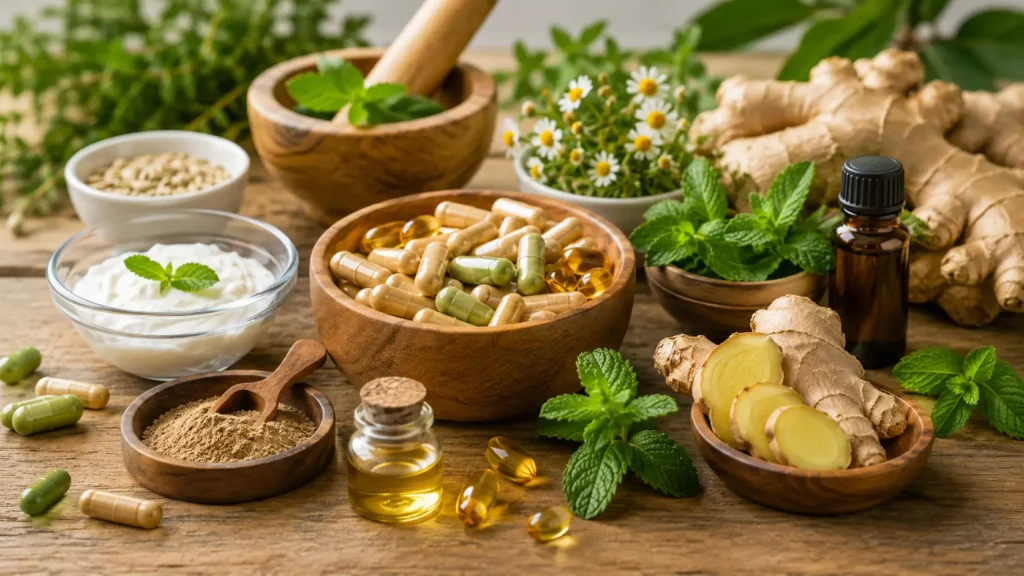
Natural Supplements for Better Digestion
If your stomach has ever felt “off” after a big meal, or you deal with occasional bloating more often than you’d like, you’re not alone. Interest in natural supplements for digestion in 2026 has grown steadily as more people look for simple, everyday ways to support their gut alongside a balanced diet.
This guide walks through five well-known natural digestive support supplements, what they’re commonly used for, and a few things worth knowing before you try any of them.
Why Digestive Health Matters
Your digestive system does more than just process food. It plays a role in nutrient absorption, immune function, and even mood regulation through the gut-brain connection. When digestion is running smoothly, most people don’t think about it much. But when things like bloating, sluggishness after meals, or irregularity show up, it’s a reminder of how much day-to-day comfort depends on a well-functioning gut.
That’s part of why supplements for a healthy gut have become such a popular topic — people want practical, natural options they can pair with everyday habits like eating more fiber, staying hydrated, and managing stress.
Disclaimer: This article is for general informational purposes only and is not medical advice. I am not a doctor. Please consult a qualified healthcare professional before starting any new supplement, particularly if you are pregnant, breastfeeding, managing a health condition, or taking medication.
Read More: Micro Workouts: The 10-Minute Fitness Solution for Busy People
Before You Try a Digestive Supplement
Supplements aren’t one-size-fits-all, and “natural” doesn’t automatically mean risk-free. A few things worth keeping in mind:
- Talk to a healthcare provider first, particularly if you’re on medication, pregnant, breastfeeding, or managing a chronic condition — some digestive supplements can interact with medications or existing conditions.
- Look for third-party testing (such as NSF, USP, or Informed Choice) to help confirm what’s on the label is actually in the bottle.
- Start with one new supplement at a time so it’s easier to notice how your body responds.
- Don’t expect a quick fix. Most people see gradual changes over weeks, not overnight results.
- Whole foods come first. Supplements are meant to support a healthy diet, not replace fiber-rich foods, fermented foods, or adequate water intake.
With that groundwork in place, here are five options frequently discussed as Natural Supplements for Better Digestion.
5 Natural Supplements for Digestion in 2026
1. Probiotics
Probiotics are live beneficial bacteria and yeasts that are similar to the microorganisms naturally found in your gut. They’re one of the most researched categories among natural digestive support supplements, and they’re commonly associated with:
- Supporting a balanced gut microbiome
- Helping maintain regularity
- Supporting gut comfort after antibiotic use (a common time when gut bacteria can be disrupted)
Probiotic supplements come in many strains (like Lactobacillus and Bifidobacterium), and different strains are studied for different purposes. Because of this, it’s worth looking at the specific strain and CFU (colony-forming units) count on the label rather than assuming all probiotics work the same way.
Also found naturally in: yogurt, kefir, sauerkraut, kimchi, and other fermented foods.
2. Digestive Enzymes
Digestive enzymes help break down macronutrients — proteins, fats, and carbohydrates — into smaller components your body can absorb. Your body produces its own enzymes naturally (like amylase, lipase, and protease), but some people look to enzyme supplements when they experience:
- Occasional heaviness or discomfort after eating large or rich meals
- Difficulty digesting certain foods, such as dairy (lactase) or beans and cruciferous vegetables
Enzyme supplements are typically taken with meals rather than on an empty stomach, since their role is tied to the digestion of food that’s currently being eaten.
3. Ginger
Ginger has a long history of traditional use for stomach comfort, and it remains one of the more accessible Natural Supplements for Better Digestion 2026 shoppers are searching for — often available as capsules, teas, or chews.
Ginger is commonly associated with:
- Easing occasional nausea
- Supporting normal stomach emptying
- General digestive comfort after meals
It’s considered generally well-tolerated by most people in typical food amounts, though supplement-strength doses should still be discussed with a healthcare provider, particularly for anyone on blood thinners.
4. Peppermint Oil
Peppermint oil, especially in enteric-coated capsule form (designed to dissolve in the intestines rather than the stomach), is one of the more studied options for digestive comfort. It’s often mentioned specifically as one of the best supplements for occasional bloating because of its association with:
- Relaxing the muscles of the digestive tract
- Easing occasional bloating and gas
- Supporting general stomach comfort
Because peppermint can relax the lower esophageal sphincter, it’s sometimes not recommended for people who experience frequent acid reflux — another good reason to check with a healthcare provider before adding it in.
5. Psyllium Husk (Fiber Supplement)
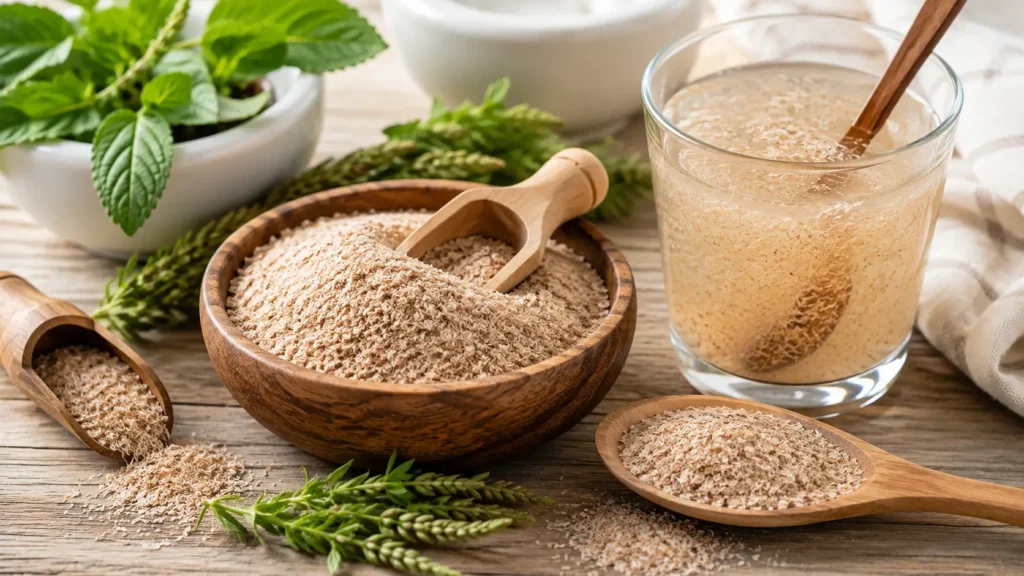
Psyllium husk is a soluble fiber derived from the seeds of the Plantago ovata plant. Fiber is foundational to digestive health, and psyllium is one of the most common fiber supplements people turn to when they aren’t getting enough fiber from food alone. It’s associated with:
- Supporting regular bowel movements
- Adding bulk and soft texture to stool
- Supporting a feeling of fullness after meals
Because fiber supplements absorb water, it’s important to drink plenty of fluids when taking psyllium. Introducing it gradually — rather than starting with a large amount right away — can help minimize temporary gas or bloating as your body adjusts.
Best Supplements for Occasional Bloating: A Quick Recap
If occasional bloating is your main concern rather than digestion more broadly, the options most commonly discussed for that specific issue are:
- Peppermint oil — for muscle relaxation in the digestive tract
- Probiotics — for long-term microbiome balance
- Digestive enzymes — especially around larger meals
- Ginger — for general stomach comfort
Occasional bloating can also be influenced by factors unrelated to supplements, such as eating too quickly, carbonated drinks, high-sodium meals, or certain food sensitivities — so it’s worth looking at the full picture rather than supplements alone.
Tips for Choosing Natural Digestive Support Supplements
With so many products on shelves in 2026, a few practical filters can help narrow things down:
- Check the ingredient list for filler ingredients or unnecessary additives.
- Look for transparent labeling, including strain names for probiotics or standardized extract percentages for herbal ingredients like ginger.
- Avoid products making dramatic claims (like “cures” or “eliminates” a condition) — legitimate supplements typically use more measured language, and dramatic claims are often a red flag.
- Consider your specific goal. Someone dealing with occasional bloating after meals may benefit from a different supplement than someone focused on long-term gut balance.
- Reintroduce patience into the process. Digestive supplements, especially probiotics and fiber, often take a few weeks of consistent use before effects become noticeable.
FAQs: Natural Supplements for Better Digestion
Are natural digestive supplements safe for everyone? Not necessarily. “Natural” doesn’t mean a supplement is automatically safe for every person, especially those with existing health conditions, allergies, or medication interactions. Checking with a healthcare provider is the safest first step.
How long does it take to notice a difference? This varies by supplement and by person. Some, like peppermint oil, may offer more immediate comfort, while others, like probiotics or fiber, tend to work gradually over several weeks.
Can I take more than one of these supplements at once? Some people do combine, for example, a probiotic with a fiber supplement. Still, introducing one new supplement at a time makes it easier to identify what’s actually helping — and it’s worth confirming combinations with a healthcare provider.
Do I still need to eat fiber-rich foods if I take a supplement? Yes. Supplements are meant to complement a balanced diet, not replace whole foods like vegetables, fruits, whole grains, and fermented foods, which offer additional nutrients supplements can’t fully replicate.
Final Thoughts: Natural Supplements for Better Digestion
Digestive comfort isn’t about finding one perfect product — it’s usually a combination of diet, hydration, movement, stress management, and, for some people, a well-chosen supplement. Whether you’re drawn to probiotics, digestive enzymes, ginger, peppermint oil, or psyllium husk, the most important step is an informed one: read labels carefully, start slowly, and loop in a healthcare provider, particularly if you’re managing a health condition or taking medication.
Read More: Mosquito-Borne Illnesses in Summer 2026: Symptoms and Prevention Tips