What Are Seasonal Allergy Symptoms 2026?
Seasonal allergies (also called hay fever or allergic rhinitis) happen when your immune system overreacts to something harmless in the air — usually pollen or mold spores — and treats it like a threat. Your body releases histamine to “fight it off,” and that’s what triggers the sneezing, congestion, and itchiness most people associate with allergy season.
Unlike a cold, seasonal allergies don’t come with a fever, they tend to stick around for weeks instead of days, and they usually show up at the same time every year once your body has been sensitized to a particular allergen.
Seasonal Allergy Symptoms 2026
If your eyes have been itchy, your nose won’t stop running, and you can’t figure out if it’s a cold or something else — you’re not imagining it. Reports of seasonal allergy symptoms in August 2026 are climbing across the U.S. as ragweed season kicks into gear earlier and lasts longer than it used to.
This guide breaks down the ten most common symptoms to watch for, the triggers hiding behind them, and practical ways to feel better — without turning this into a guessing game.
Disclaimer: I am not a doctor, and this post is for general informational purposes only. It isn’t a substitute for professional medical advice, diagnosis, or treatment. If your symptoms are severe or unusual, please talk to a licensed doctor or allergist.
Read More: Natural Home Remedies for Cold and Cough – Fast Relief Tips
Why Late Summer Allergies Feel Worse This Year
If it feels like allergy season keeps getting longer, that’s not just a feeling — it’s a documented trend. Warmer average temperatures mean more freeze-free days each year, which gives plants more time to grow and release pollen. Many parts of the country are now seeing growing seasons that stretch several weeks longer than they did a few decades ago.
There’s also something allergists call the “priming effect.” By the time ragweed season arrives in August, your immune system has often already been dealing with tree and grass pollen since spring. Months of ongoing exposure can lower your symptom threshold, so late summer allergy symptoms in adults can end up feeling more intense than they did earlier in the year — even when pollen counts aren’t dramatically higher.
10 Seasonal Allergy Symptoms to Watch For
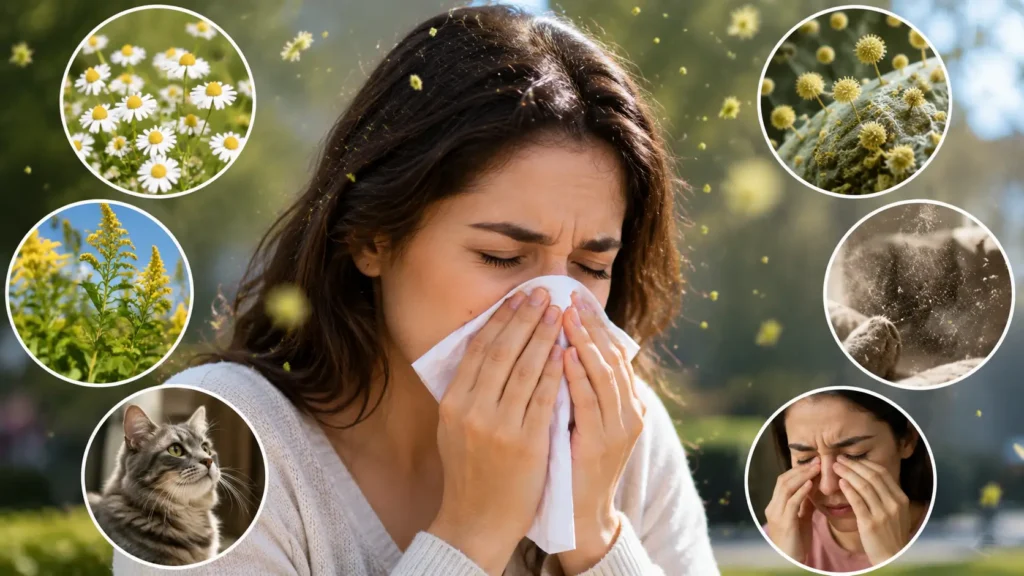
Not every symptom looks like classic “hay fever.” Here are the ten signs most commonly reported as part of seasonal allergy symptoms in August 2026:
- Frequent sneezing — especially in fits of several sneezes in a row, often worse in the morning or after being outdoors.
- Runny or stuffy nose — clear, watery discharge is typical of allergies (thick yellow/green mucus points more toward a cold or sinus infection).
- Itchy, watery eyes — redness and puffiness around the eyes is one of the most distinctive allergy signs.
- Scratchy or itchy throat — often from postnasal drip irritating the back of the throat.
- Postnasal drip — mucus dripping down the throat, which can also cause a mild cough.
- Fatigue — poor sleep from congestion, plus the effort your immune system is putting in, can leave you feeling drained.
- Sinus pressure or headache — a dull ache around the forehead, cheeks, or eyes as sinuses become inflamed.
- Itchy ears or roof of the mouth — a less-talked-about symptom, but very common with Ragweed Allergy Symptoms.
- Nighttime coughing — congestion often worsens when lying down, disrupting sleep.
- Worsened asthma symptoms — if you have asthma, allergy season can trigger more frequent wheezing or shortness of breath.
If you’re mostly dealing with symptoms 1–5, it’s likely a straightforward pollen reaction. If you’re noticing fatigue, sinus pressure, or breathing changes as well, it may be worth tracking how long symptoms last and mentioning it to your doctor.
Allergies vs. a Cold: Quick Comparison
Since seasonal allergy symptoms in August 2026 often overlap with common cold symptoms, here’s a simple way to tell them apart:
| Symptom | Seasonal Allergies | Common Cold |
|---|---|---|
| Onset | Sudden, tied to being outdoors or a specific season | Gradual, over 1–2 days |
| Duration | Weeks, as long as exposure continues | Usually 7–10 days |
| Fever | Rarely | Sometimes, especially early on |
| Itchy eyes | Common | Uncommon |
| Body aches | Rare | Common |
| Mucus color | Clear, watery | Can turn yellow or green |
| Pattern | Repeats yearly, same season | Random, any time of year |
If your symptoms show up at the exact same time every year and clear glasses, tissues, and eye drops feel like a permanent fixture on your desk, allergies are the more likely explanation.
Does Where You Live Matter?
Yes — a lot. Allergy severity varies significantly by region depending on local plant life, rainfall, and climate patterns:
- Midwest and Northeast: Often see some of the highest ragweed concentrations in the country, with symptoms peaking through September.
- Southeast and Gulf Coast: Warmer, humid conditions can extend the mold season well into fall.
- Rockies and Mountain West: Higher rainfall in recent years has been linked to more intense weed pollen, including ragweed, thistle, sagebrush, and mugwort.
- Pacific Northwest: Longer freeze-free growing seasons have gradually pushed allergy season later into the year compared to a few decades ago.
If you’ve recently moved to a new state or region, it’s common to develop new sensitivities to local plants you weren’t previously exposed to — so don’t be surprised if your allergy pattern changes after a move.
What’s Triggering These Symptoms? Late-Summer Allergy Culprits
Ragweed Allergy Symptoms
Ragweed is the single biggest driver of fall allergies in the U.S., affecting tens of millions of people. Ragweed allergy symptoms typically include heavy sneezing, itchy eyes, and nasal congestion that shows up in late summer and peaks through September. A single ragweed plant can release an enormous amount of pollen, and it can travel hundreds of miles on the wind — so you don’t need to live near a field to be affected.
Ragweed allergy symptoms: Pollen is usually highest on warm, dry, breezy days and drops after rain, only to spike again once things dry out. It doesn’t stop until the first hard, sustained freeze of the season, which is why people in warmer regions tend to deal with it longer.
Mold Spores
As summer vegetation starts to decay, outdoor mold spore counts rise right alongside ragweed. A late-summer rainstorm followed by warm, humid weather can cause mold spore counts to spike within a day or two. For people sensitive to both ragweed and mold, this overlap can make August and September feel worse than any other time of year.
Lingering Grass and Weed Pollen
Grass pollen from summer doesn’t always disappear cleanly — in some regions it overlaps with early ragweed season, especially if rainfall has been higher than usual. Other weeds like sagebrush, mugwort, and thistle can also contribute, particularly in the western and central U.S.
How to Reduce Seasonal Allergy Symptoms
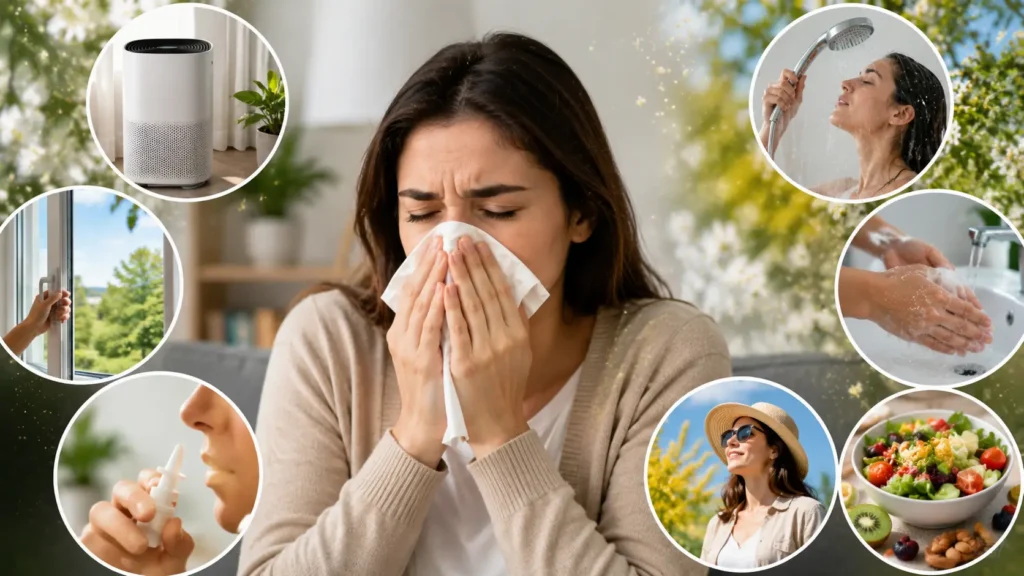
You can’t control the pollen count, but you can control how much of it reaches you — and how your body responds. Here’s how to reduce seasonal allergy symptoms 2026 without overcomplicating your routine:
- Check the daily pollen forecast. Many weather apps now include pollen counts. Plan outdoor errands for lower-count days when possible.
- Keep windows closed during peak pollen hours (typically mid-morning) and run the AC with a clean filter instead.
- Shower and change clothes after being outside to rinse off pollen before it spreads to your bedding or furniture.
- Use a HEPA air purifier in bedrooms, especially if you sleep with symptoms that worsen at night.
- Try a saline nasal rinse to physically flush pollen and mucus out of your nasal passages — it’s low-risk and can offer quick relief.
- Wash bedding in hot water weekly during peak season to reduce pollen buildup where you sleep.
- Consider over-the-counter antihistamines (like cetirizine, loratadine, or fexofenadine) — these work best when started before symptoms peak rather than after.
- Wear sunglasses outdoors to reduce the amount of pollen that reaches your eyes.
- Avoid mowing the lawn or being near freshly cut grass and dead leaves, which can stir up both pollen and mold.
- Track your symptoms so you know your personal triggers and can talk to a doctor about targeted treatment, like prescription nasal sprays or allergy testing, if OTC options aren’t enough.
- Time your outdoor activities carefully. Pollen counts are typically highest in the mid-morning and lowest in the early evening or right after rain — a short window shift can noticeably cut your exposure.
- Dry laundry indoors instead of on an outdoor line during peak pollen weeks, since fabric can trap pollen just as easily as hair or clothing does outside.
- Rinse pets after outdoor time, since fur can carry pollen indoors and reintroduce it to furniture and bedding long after you’ve showered.
Small, consistent habits usually make a bigger difference than any single “miracle fix” — the goal is reducing your total pollen exposure, not eliminating it completely (which isn’t realistic if you want to leave the house).
When Should You See a Doctor?
Most seasonal allergies can be managed at home, but it’s worth booking an appointment if:
- Symptoms last more than a few weeks without improvement
- Over-the-counter medication isn’t helping
- You’re experiencing wheezing, chest tightness, or shortness of breath
- Symptoms are affecting your sleep or daily functioning
- You’re not sure whether it’s allergies, a cold, or something else entirely
An allergist can run tests to pinpoint your exact triggers and recommend treatment options — including prescription medications or immunotherapy — that go beyond what’s available over the counter.
FAQs: Seasonal Allergy Symptoms 2026
How do I know if it’s allergies or a cold? Colds usually come with a fever and body aches and clear up within about a week to ten days. Allergies tend to last as long as you’re exposed to the trigger, don’t cause a fever, and are more likely to bring on itchy eyes and repeated sneezing fits.
When does ragweed season end? Ragweed pollen typically drops off sharply after the first hard, sustained freeze in your area — the exact timing depends on your region and can vary year to year.
Can seasonal allergies suddenly appear in adulthood? Yes. Allergies can develop at any age, even if you never had them as a child. Moving to a new region with different plant life is a common trigger for adult-onset allergies.
Are natural remedies like local honey effective for allergies? Evidence is mixed. Some people report mild benefit, but it isn’t a substitute for proven treatments like antihistamines or nasal sprays, especially for more severe symptoms.
Is it safe to combine multiple allergy medications? Not always — some combinations can cause excessive drowsiness or interact with other conditions. Check with a pharmacist or doctor before combining products.
Final Thoughts: Seasonal Allergy Symptoms 2026
Late-summer allergy season isn’t going away anytime soon, and for a lot of people, it’s arriving earlier and lingering longer each year. Knowing the difference between a cold and true allergy symptoms — and understanding what’s actually triggering your reaction — makes it much easier to manage than guessing your way through August and September.
Read More: Migraine Prevention Without Medication: 15 Natural Tips That Work