Why Salmonella Cases Spike Every Summer?
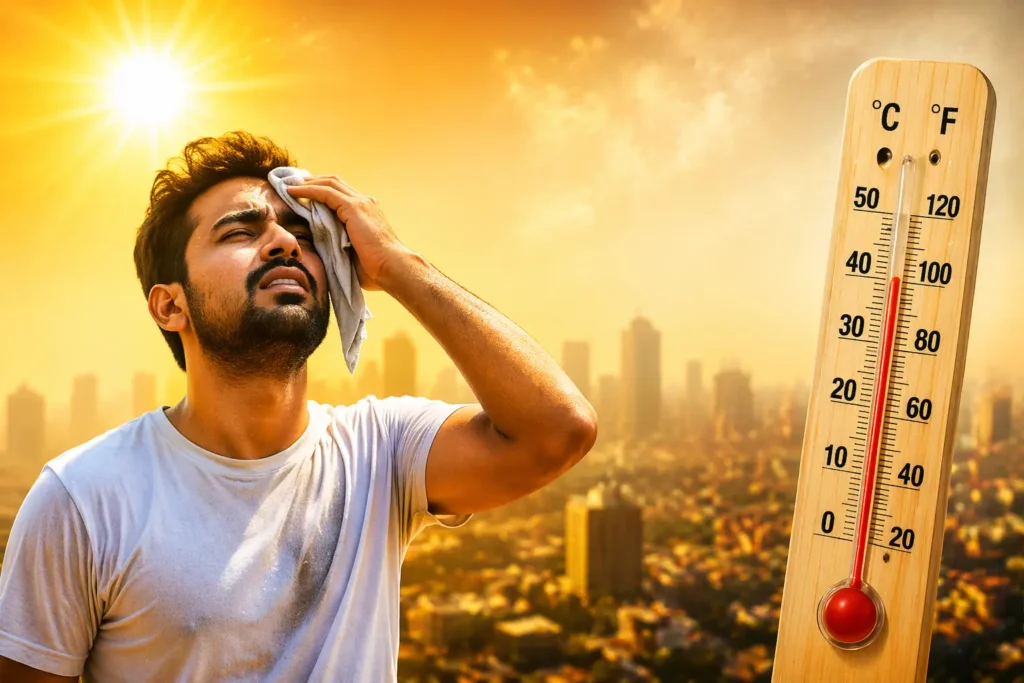
Salmonella isn’t picky about the season, but summer creates the perfect storm of conditions for it to thrive and spread. Here’s why:
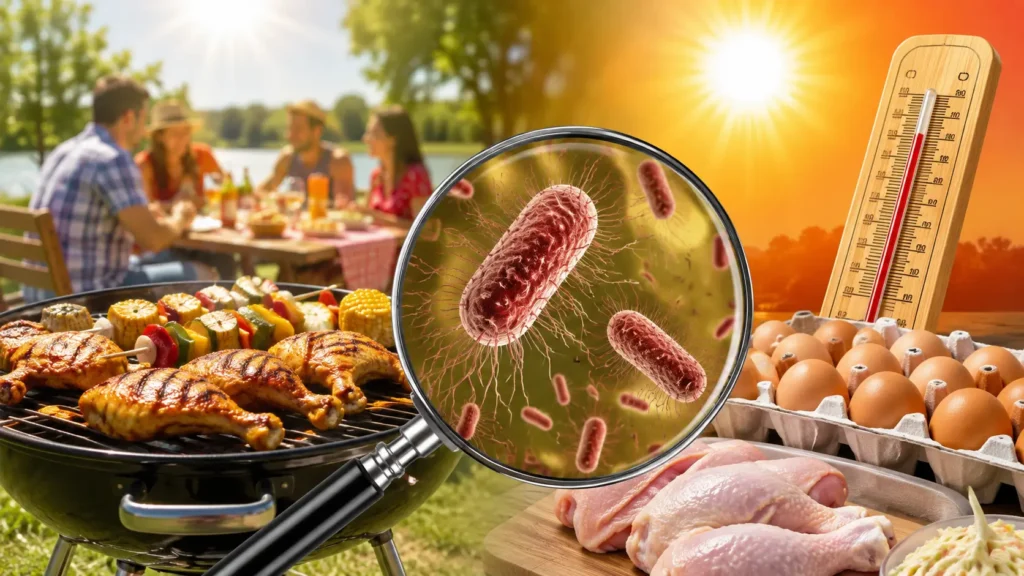
- Warmer temperatures speed up bacterial growth. Salmonella multiplies rapidly between 40°F and 140°F, a range food scientists call the “danger zone.” Hot summer weather pushes food into that zone faster, especially food left outside during picnics or cookouts.
- More outdoor eating and grilling. Coolers, buffet tables, and backyard grills often don’t keep food at safe temperatures, and raw meat, poultry, and eggs get handled more casually outdoors than in a controlled kitchen.
- Produce season overlaps with peak growing conditions. Fresh fruits and vegetables — including peppers, melons, and leafy greens — are harvested in bulk during summer, and warm, humid growing regions create more opportunities for contamination in the field.
- Increased travel and eating out. Vacations, festivals, and events mean more meals prepared outside your own kitchen, where you have less control over food handling.
- Longer daylight hours mean longer “food sitting out” windows. People tend to leave food unrefrigerated longer during long summer days and gatherings.
Put simply: the same things that make summer enjoyable — barbecues, road trips, fresh produce — are exactly the conditions Salmonella needs to spread.
Disclaimer: I’m not a doctor. This article is for general informational purposes only and is based on publicly available CDC and FDA information. If you think you have food poisoning or are experiencing severe symptoms, please contact a licensed healthcare provider.
Read More: Sugar and Brain Health in Adults: 7 Steps to Prevent Cognitive Decline
What Exactly Is Salmonella?
Salmonella is a group of bacteria that live in the intestines of animals and humans. It’s one of the leading causes of foodborne illness in the United States. People usually get infected by:
- Eating contaminated food (raw or undercooked eggs, poultry, meat, or produce)
- Drinking contaminated water
- Touching animals, pet food, or environments where animals live
- Cross-contamination between raw and ready-to-eat foods
Because it’s so common and spreads through everyday food handling, even a single contaminated batch — like a shipment of eggs or a crate of peppers — can sicken people across many states before anyone realizes what’s happening.
Salmonella Outbreak 2026 Symptoms
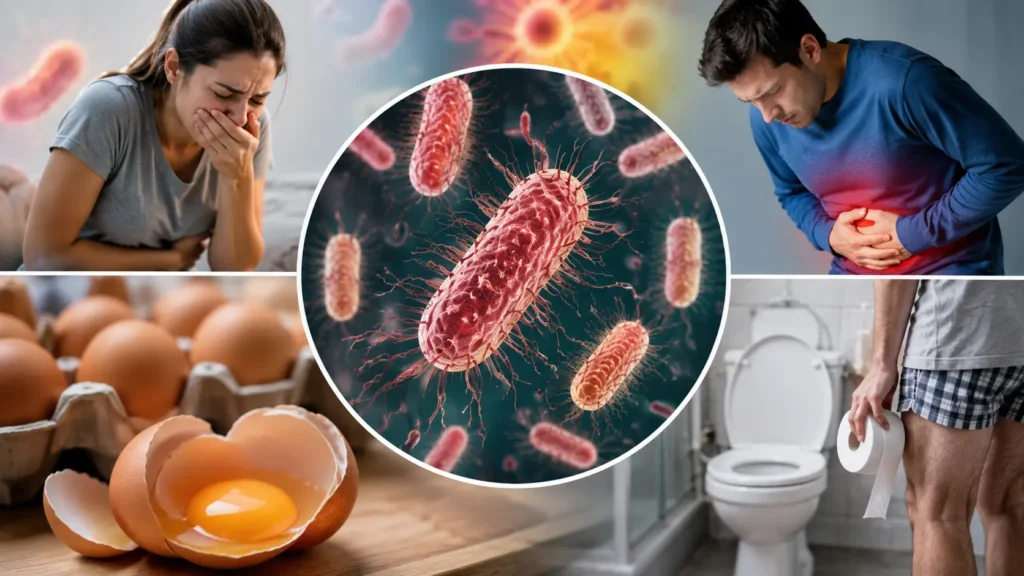
If you’ve eaten something potentially contaminated, here’s what to watch for. Salmonella Outbreak 2026 Symptoms typically appear 6 hours to 6 days after exposure and include:
- Watery diarrhea (sometimes with blood or mucus)
- Stomach cramps or abdominal pain
- Fever
- Headache
- Nausea and vomiting
- Loss of appetite
Most healthy adults recover on their own within 4 to 7 days without needing treatment. However, some groups are at higher risk of severe illness, including:
- Children under 5
- Adults over 65
- Pregnant women
- People with weakened immune systems
How Do Health Officials Trace an Outbreak Back to Its Source?
It might seem strange that a single grower or supplier can be blamed for hundreds of illnesses spread across dozens of states, but the process behind it is actually pretty methodical.
- Doctors report lab-confirmed cases to state health departments, which forward the data to the CDC.
- Whole genome sequencing (WGS) compares the DNA of the bacteria found in sick patients. If multiple people across different states have the exact same genetic strain, it’s a strong signal they were exposed to the same contaminated source.
- Epidemiologists interview sick patients about what they ate in the days before getting sick, looking for a common food, restaurant, or product.
- Traceback investigations follow the suspected food from the store, back through the distributor, and all the way to the farm or processing facility.
This is exactly how the 2026 egg outbreak was linked to a single poultry producer in Texas, and how the jalapeño outbreak was traced to a specific grower in Sinaloa, Mexico — even though the peppers ended up in kitchens and restaurants hundreds of miles away.
Backyard Chickens and Pets: An Overlooked Summer Risk
Eggs and produce get most of the attention, but summer also brings a lesser-known Salmonella risk: backyard poultry and pets. Raising backyard chickens has grown more popular in recent years, and reptiles like turtles and lizards are common household pets — both are known carriers of Salmonella.
A few simple precautions can lower this risk significantly:
- Wash your hands thoroughly after handling chickens, eggs straight from the coop, or reptile habitats
- Don’t let backyard chickens roam freely in areas where children play
- Keep reptiles and amphibians away from kitchens and food-prep areas
- Supervise young children closely around backyard animals, since they’re less likely to wash their hands properly
It’s a small detail, but it’s part of the bigger picture of why summer — with more outdoor animal contact — tends to see more Salmonella cases than other times of year.
Inside the 2026 Salmonella Egg Recall Outbreak
One of the biggest food safety stories of the summer involves shell eggs. Health officials traced a multistate Salmonella Enteritidis outbreak back to eggs produced by Midwest Poultry Services, L.P. More than 1.5 million dozen eggs were recalled after samples tested positive for the same Salmonella strain making people sick.
Key details:
- Illnesses were reported across several southern and central states, including Texas, Louisiana, Oklahoma, Arkansas, Mississippi, and New Mexico
- Salmonella egg recall was sold under multiple brand names, including Kroger, Simple Truth, Brookshire’s, Cal-Maine, and Country Morning
- Affected cartons carry “best by” dates between July 20 and August 17, 2026
- Recalled cartons are marked with code P-1950 or 0840962
If you have eggs matching this description in your fridge, don’t cook or eat them — throw them out or return them to the store.
The 2026 Jalapeño Pepper Salmonella Outbreak
Just as the egg outbreak was winding down, a second one emerged — this time tied toJalapeño Pepper Salmonella Outbreak. CDC and FDA investigators linked a Salmonella Javiana outbreak to jalapeños grown in Sinaloa, Mexico, and distributed in the U.S. by Coast Citrus Distributors.
As of early August 2026, this outbreak had:
- Sickened at least 345 people across 27 states
- Caused 36 hospitalizations
- Prompted major chains like Chipotle and QDOBA to pull the affected peppers from their locations
Because jalapeños show up in salsas, toppings, and prepared foods at restaurants and grocery stores, this type of outbreak can spread quickly and quietly — many people never realize the pepper on their tacos is the source of their stomach trouble.
How to Prevent Salmonella Food Poisoning at Home
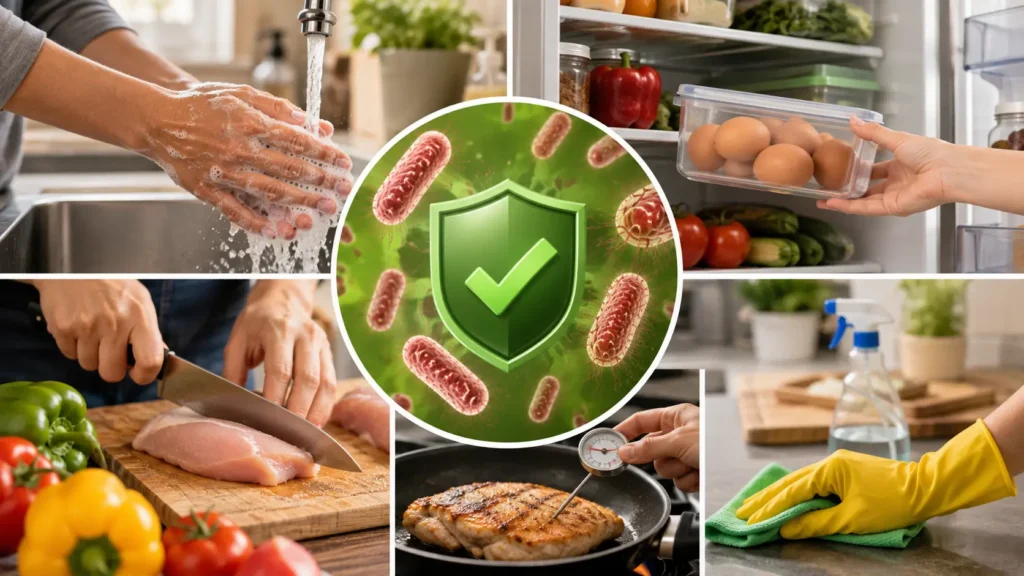
The good news is that most Salmonella infections are preventable with a few consistent habits in your kitchen:
- Cook eggs, poultry, and meat thoroughly. Use a food thermometer — eggs should reach 160°F and poultry 165°F internally.
- Refrigerate promptly, especially in summer heat. Don’t leave perishable food out for more than 1–2 hours (or just 1 hour if it’s above 90°F outside).
- Wash fresh produce under running water before eating, even if you plan to peel it.
- Avoid cross-contamination. Use separate cutting boards for raw meat/poultry and produce, and wash hands, knives, and surfaces after handling raw food.
- Check for active recalls regularly on CDC.gov or FDA.gov before cooking eggs, produce, or packaged foods.
- Wash your hands after handling raw eggs, meat, or touching pets and farm animals.
- Don’t rinse raw chicken in the sink — it can splash bacteria onto nearby surfaces instead of removing it.
Salmonella Egg Recall 2026 What to Know
If you’re not sure whether your eggs are part of the recall, here’s a simple checklist:
- Check the carton for the brand names Kroger, Simple Truth, Brookshire’s, Cal-Maine, or Country Morning.
- Look for a “best by” date between July 20 and August 17, 2026.
- Check for the code P-1950 or 0840962 printed on the carton.
- If it matches, don’t eat the eggs — throw them away or return them for a refund.
- Wash any containers, shelves, or surfaces the eggs touched in your fridge.
Even if your eggs aren’t part of this specific recall, it’s a good reminder to always store eggs in the refrigerator and cook them until both the yolk and white are firm.
When Should You See a Doctor?
Most Salmonella Cases Spike Every Summer resolve on their own, but you should seek medical care if you or someone you’re caring for experiences:
- Diarrhea lasting more than 3 days
- A fever above 102°F
- Blood in the stool
- Signs of dehydration (little to no urination, dry mouth, dizziness)
- Symptoms in an infant, elderly person, pregnant woman, or someone immunocompromised
Again — this article isn’t a substitute for medical advice. If something feels seriously wrong, contact a healthcare provider.
The Bigger Picture: Why Outbreaks Keep Happening
The egg and Jalapeño Pepper Salmonella Outbreak aren’t isolated incidents. As of late July 2026, the FDA was tracking 12 separate ongoing foodborne illness outbreaks, including Salmonella, E. coli, Listeria, and Cyclospora — with the source of several still unidentified. Some food safety experts have raised concerns that reduced funding and staffing at federal agencies may be making it harder to detect and contain outbreaks quickly. Whatever the underlying cause, the pattern is clear: summer is consistently the season when foodborne illness cases climb, and staying informed about active recalls is one of the simplest ways to protect your household.
FAQs: Why Salmonella Cases Spike Every Summer
Why Salmonella Cases Spike Every Summer? Yes. Warmer temperatures accelerate bacterial growth, and summer habits like grilling, picnicking, and eating outdoors increase the risk of food sitting at unsafe temperatures.
Can Salmonella spread from person to person? It’s possible, though less common than foodborne spread. It can happen if an infected person doesn’t wash their hands properly before preparing food for others.
How long does Salmonella food poisoning last? Most cases last 4 to 7 days and resolve without treatment, though Salmonella Outbreak 2026 Symptoms can occasionally last longer in high-risk individuals.
Are the Salmonella egg recalls and jalapeños still a risk if I already ate them? If you ate them before the recall and aren’t experiencing symptoms, you’re likely fine. If Salmonella Outbreak 2026 Symptoms appear within a few days of eating recalled food, contact a doctor.
Final Thoughts
Salmonella outbreaks tend to spike every summer because heat, outdoor cooking, and peak produce season all line up at once — and 2026’s egg and jalapeño outbreaks are a clear reminder of how quickly contaminated food can reach kitchens across the country. The best defense is simple: cook food to safe temperatures, refrigerate promptly, wash produce, and keep an eye on active recalls before you shop or cook. A few consistent habits go a long way toward keeping your summer cookouts safe and stomach-ache-free.
Read More: Cyclospora Outbreak 2026: Recall List & Symptom Timeline