
What Is Chronic Venous Insufficiency Risk Factors, Exactly?
Before we get into risk factors, here’s the 30-second version of what’s happening inside your legs.
Your veins have a tough job: they carry blood back up to your heart, working against gravity every single time you stand or sit. To help with that, your leg veins are lined with tiny one-way valves that snap shut after each pulse of blood, preventing it from sliding back down.
Chronic venous insufficiency develops when those valves weaken or become damaged. Blood starts pooling in the lower legs instead of moving efficiently upward, and the veins stretch and swell to accommodate the backed-up pressure. Over time, this can lead to:
- Swelling in the ankles and lower legs
- A heavy, aching, or throbbing feeling, especially by evening
- Visible varicose veins or spider veins
- Itchy or tight-feeling skin
- Skin discoloration around the ankles in more advanced cases
- In severe, untreated cases, slow-healing wounds called venous ulcers
It’s a mechanical, plumbing-style problem more than anything else — and like most plumbing problems, certain conditions make it far more likely to happen.
Quick disclosure before we dive in: I’m not a doctor, and nothing here replaces a real conversation with a vascular specialist or your primary care physician. This post is meant to help you understand your risk, recognize early warning signs, and know what questions to ask at your next appointment — not to diagnose or treat anything yourself.
Read More: FDA Approved Peptide Medications 2026: Weight Loss & Anti-Aging Guide
Who Is at Risk for Chronic Venous Insufficiency?
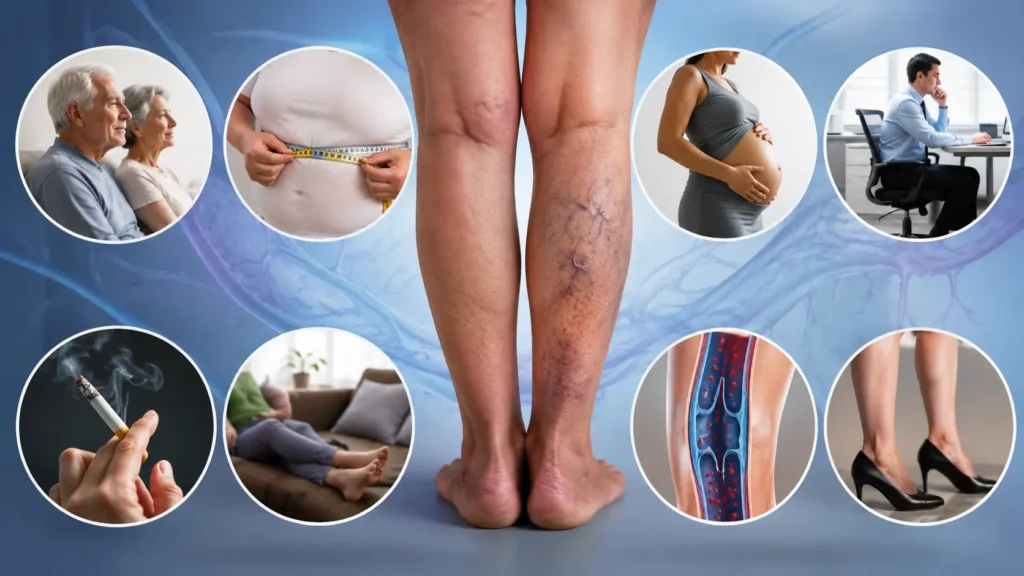
This is the question most people actually want answered, so let’s get specific. Some risk factors you can influence, and some you simply can’t — but knowing both categories helps you understand your own odds.
Risk factors you can’t change:
- Age. Vein valves lose elasticity over time, just like skin and joints. Risk climbs noticeably after age 50, though CVI can absolutely show up earlier.
- Sex. Women are diagnosed with CVI more often than men, largely due to hormonal factors and pregnancy-related vein pressure.
- Family history. If a parent or sibling has varicose veins or CVI, your own risk is meaningfully higher. Vein wall strength and valve integrity appear to run in families.
- Pregnancy. Increased blood volume and hormonal factors and pregnancy changes during pregnancy put extra pressure on leg veins, and this effect can compound with each additional hormonal factors and pregnancy.
- History of blood clots. A previous deep vein thrombosis (DVT) can permanently damage the valves in that vein, making CVI far more likely afterward.
Risk factors tied to lifestyle and daily habits:
- Being overweight or obese, which increases pressure on the veins in the legs and pelvis
- A sedentary lifestyle with long stretches of sitting
- Jobs that require prolonged standing
- Smoking, which affects circulation and vein wall health
- Wearing tight clothing that restricts blood flow at the waist or upper thigh
- Leg injuries or prior surgeries in the leg
If several of these apply to you, it doesn’t mean you’re guaranteed to develop CVI — but it does mean it’s worth paying closer attention to your legs and mentioning any symptoms to a doctor sooner rather than later.
Does Standing All Day Cause Venous Insufficiency?
This is one of the most common questions people search for, and understandably so — a huge share of the American workforce spends most of their shift on their feet. Nurses, teachers, retail associates, hairdressers, warehouse workers, and restaurant staff are all in this boat.
Here’s the honest answer: standing all day doesn’t directly cause CVI on its own, but it is one of the strongest contributing factors, especially when combined with other risk factors like age, family history, or extra body weight.
When you stand still for long periods, gravity has nothing to fight against. Blood tends to settle in the lower legs, veins stay under sustained pressure, and the calf muscles — which normally act like a pump to push blood upward when you walk — barely get used. Over months and years, this repeated strain can wear down vein valves faster than it would in someone who moves around throughout the day.
The good news is that this is one of the more controllable risk factors. Simple habits like shifting your weight, taking short walking breaks, calf raises while standing, or wearing compression socks during long shifts can meaningfully reduce the daily strain on your veins — even if your job itself isn’t changing anytime soon.
Chronic Venous Insufficiency Risk Factors Checklist
If you want a quick way to gauge your own risk, run through this Chronic Venous Insufficiency Risk Factors Checklist. The more boxes you check, the more worth it becomes to bring this up at your next doctor’s visit.
- [ ] I’m over the age of 50
- [ ] I have a parent or sibling with varicose veins or vein disease
- [ ] I’ve been pregnant one or more times
- [ ] I’ve had a blood clot (DVT) in the past
- [ ] I’m carrying extra body weight
- [ ] My job requires standing for more than 4 hours a day
- [ ] My job requires sitting for most of the day with little movement
- [ ] I smoke or have smoked regularly in the past
- [ ] I’ve noticed visible varicose or spider veins
- [ ] My legs feel heavy, achy, or swollen by the end of the day
Checking three or more boxes doesn’t mean you have CVI — but it’s a solid signal that a quick check-in with a doctor, or even a simple venous ultrasound, could be worth your time before symptoms progress further.
How to Prevent Chronic Venous Insufficiency Naturally
You can’t rewrite your genetics or turn back the clock on age, but there’s a surprising amount within your control. Here’s what actually helps, based on how the condition develops in the first place.
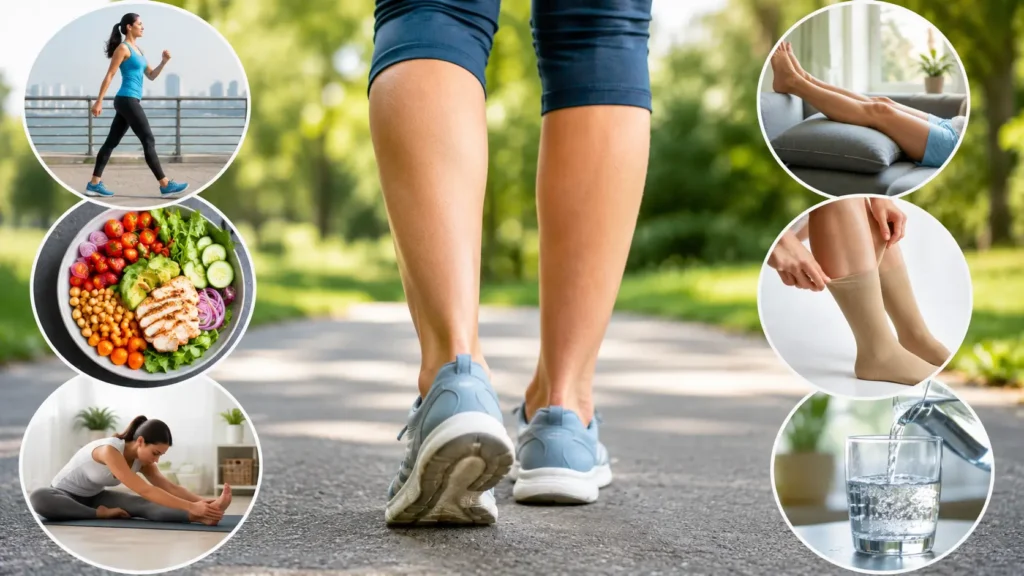
1. Move throughout the day, not just at the gym. Your calf muscles are sometimes called your “second heart” because they physically squeeze veins and push blood upward every time you walk. Even short 2–3 minute walking breaks every hour make a real difference if you sit or stand for long stretches.
2. Elevate your legs when you can. Propping your legs above heart level for 15–20 minutes in the evening gives gravity a break and helps drain pooled blood back toward the heart. It’s a small habit, but it’s one vascular specialists genuinely recommend.
3. Wear compression socks proactively — not just after symptoms start. Graduated compression socks gently squeeze the lower leg more than the upper leg, helping blood move in the right direction. If you’re on your feet all day or already have a few risk factors, wearing them isn’t overkill — it’s prevention.
4. Maintain a healthy body weight. Extra weight increases pressure on pelvic and leg veins. Even modest, sustainable weight loss can ease the load on your venous system.
5. Stay hydrated and moderate your salt intake. Dehydration and high sodium intake can both contribute to fluid retention and swelling, which puts additional pressure on already-strained veins.
6. Avoid crossing your legs for long periods. This is a small habit, but crossing your legs restricts blood flow at the knee and can slow venous return over time, especially if you sit for hours.
7. Quit smoking, or don’t start. Smoking affects blood vessel walls and circulation throughout the body, including the veins in your legs. It’s one of the more modifiable risk factors on this entire list.
8. Don’t ignore early symptoms. Heaviness, mild swelling, or the first faint spider veins are your body’s early warning system. Catching CVI early — before valve damage progresses — gives you far more non-invasive options.
None of these habits are complicated or expensive, which is exactly why they’re so often overlooked. The people who manage CVI best long-term are usually the ones who treat these as daily habits, not a one-time fix.
When Should You Actually See a Doctor?
Occasional tired legs after a long travel day are normal. But it’s worth booking an appointment with a primary care doctor or vein specialist if you notice:
- Swelling that doesn’t go down overnight
- Visible varicose veins that are growing or becoming painful
- Skin discoloration or a rash-like appearance near the ankles
- A wound near the ankle that isn’t healing normally
- Persistent aching or heaviness that affects your daily activities
A venous ultrasound is quick, painless, and the standard way specialists confirm whether valve function has been compromised. Getting checked early genuinely does change your treatment options down the line.
Final Thoughts: Chronic Venous Insufficiency Risk Factors
Chronic Venous Insufficiency Risk Factors isn’t rare, dramatic, or something to panic over — but it is progressive, which means the earlier you understand your personal risk, the more control you have over how it plays out. If you recognized yourself in several items on that Chronic Venous Insufficiency Risk Factors Checklist above, treat it as a nudge, not a diagnosis. Bring it up with your doctor, ask about a simple screening, and start layering in a few of the prevention habits above.
Your legs carry you through every single day. A little bit of attention now goes a long way toward keeping them comfortable for decades to come.
FAQs: Chronic Venous Insufficiency Risk Factors
Is Chronic Venous Insufficiency Risk Factors? In most cases it develops slowly and is manageable, but if left untreated for years, it can lead to skin changes and, in advanced cases, venous ulcers. It’s also linked to a higher risk of blood clots, so it shouldn’t be ignored.
Can young people get chronic venous insufficiency? Yes. While it’s more common after age 50, pregnancy, family history, or jobs involving prolonged standing can cause symptoms to appear in a person’s 20s or 30s.
Do compression socks really work for prevention? Yes — graduated compression socks are one of the most consistently recommended non-medical tools for supporting healthy circulation, especially for people who stand or sit for long periods.
Can chronic venous insufficiency be reversed naturally? Existing valve damage can’t be reversed through lifestyle changes alone, but symptoms can be significantly reduced and progression slowed with the habits outlined above. More advanced cases may require minimally invasive medical treatment.
Read More: Easy Diabetic-Friendly Breakfast Recipes Under 10 Minutes (No Sugar Added)