
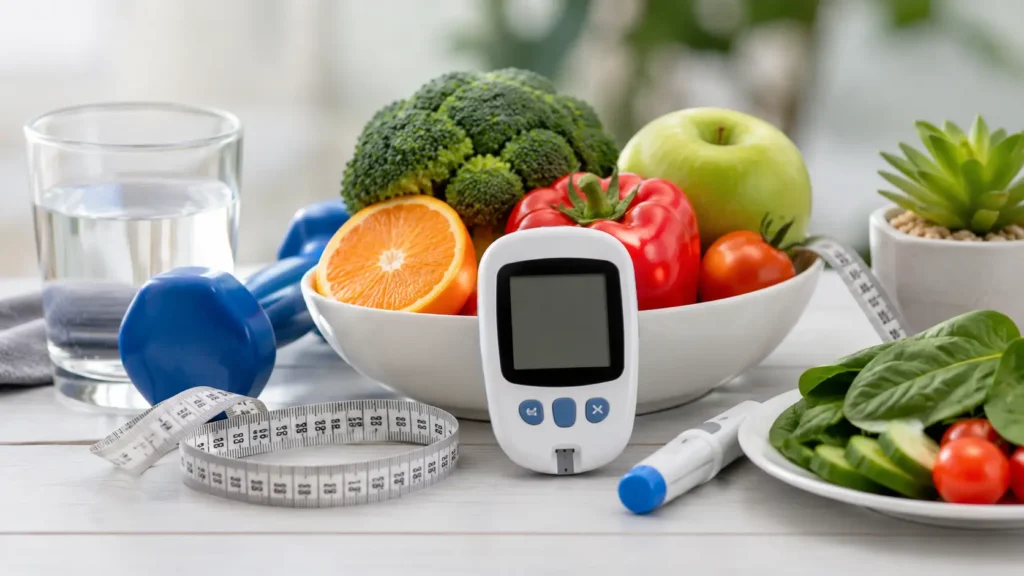
Introduction: How to Lower Blood Sugar Naturally Without Medication
Blood sugar, also called blood glucose, is the body’s main source of energy. It comes from the food you eat and is regulated by the hormone insulin. Keeping blood sugar within a healthy range is essential for maintaining energy, supporting overall health, and reducing the risk of diabetes and other health problems.
According to recent research, prediabetes can be reversed. Studies show that nearly 7 out of 10 people with prediabetes can prevent or delay progression to type 2 diabetes through lifestyle changes alone—and that starts with understanding how to lower blood sugar naturally.
This blog post is for informational and educational purposes only. I am NOT a medical doctor, diabetes specialist, or licensed healthcare professional. The information provided should not be considered medical advice, diagnosis, or treatment. Always consult with a qualified healthcare provider or registered dietitian before making changes to your diet, starting new supplements, or making decisions about your health—especially if you have prediabetes, type 2 diabetes, or other medical conditions. If you experience symptoms like extreme thirst, frequent urination, unexplained weight loss, or blurred vision, seek immediate medical attention.
Read More: Natural Ways to Improve Oxygen Saturation: 10 Simple Home Remedies
What Is Prediabetes? Understanding Blood Sugar Basics
Before we dive into solutions, let’s understand the problem.
Your body converts food into glucose (blood sugar). Your pancreas releases insulin, which acts like a key—unlocking cells so glucose can enter and provide energy. It’s a elegant system when it works properly.
But with prediabetes, something goes wrong:
Your cells become less responsive to insulin. More insulin is needed to do the same job. Your blood sugar stays elevated longer than it should. Your pancreas works overtime, gradually becoming exhausted. How to Lower Blood Sugar Naturally
This state—where blood sugar is higher than normal but not yet diabetic—is prediabetes. It’s your body’s warning light.
The prediabetes blood sugar range:
- Normal fasting glucose: Less than 100 mg/dL
- Prediabetes Diet Plan fasting glucose: 100-125 mg/dL
- Type 2 diabetes fasting glucose: 126 mg/dL or higher
Important: Only a blood test can confirm these numbers. Don’t self-diagnose. If you suspect prediabetes, get tested by your doctor.
Early Warning Signs of Type 2 Diabetes: Don’t Ignore These
Understanding early warning signs of type 2 diabetes helps you catch problems early.
Many people have Prediabetes Diet Plan for years without realizing it. These silent symptoms often go unnoticed:
Physical Symptoms:
- Constant fatigue (especially after meals)
- Blurred vision or difficulty focusing
- Frequent urination, especially at night
- Excessive thirst that water doesn’t satisfy
- Slow-healing cuts or bruises
- Tingling or numbness in fingers and toes
- Dark patches of skin (acanthosis nigricans)
- Unexplained weight loss despite normal eating
- Recurrent infections or yeast infections
- Headaches that don’t respond to normal treatment
Behavioral Indicators:
- Intense sugar cravings
- Energy crashes mid-afternoon
- Mood swings or irritability
- Difficulty concentrating
- Brain fog despite adequate sleep
Important: These symptoms don’t always mean diabetes. Many conditions cause similar symptoms. Your doctor needs to run tests to confirm. But if you’re experiencing multiple symptoms, get checked.
Prediabetes Diet Plan: The Foundation of Natural Blood Sugar Control
Your diet is the most powerful tool for managing How to Lower Blood Sugar Naturally. Here’s your complete prediabetes diet plan.
Prioritize Protein and Healthy Fats
Protein and fats slow glucose absorption, preventing blood sugar spikes.
Best protein sources:
- Lean chicken and turkey
- Wild-caught fish (salmon, sardines, mackerel)
- Eggs (whole eggs are fine—don’t skip the yolk)
- Greek yogurt (unsweetened, plain)
- Cottage cheese
- Legumes (lentils, chickpeas, black beans)
- Nuts and seeds
Healthy fats to include:
- Olive oil
- Avocado and avocado oil
- Coconut oil
- Nuts (almonds, walnuts, macadamia)
- Seeds (chia, flax, pumpkin)
- Fatty fish (omega-3 rich)
Why this works: Eating protein with every meal stabilizes blood sugar. Aim for 25-30g protein per meal.
Choose Low Glycemic Index (GI) Carbs
Not all carbs are equal. Low-GI carbs digest slowly, preventing spikes.
Low GI carbohydrates:
- Vegetables (especially leafy greens and cruciferous veggies)
- Legumes and beans
- Sweet potatoes and yams
- Steel-cut oats
- Whole grain bread (true whole grain, not marketing fluff)
- Barley
- Brown rice (in small portions)
High GI carbs to minimize:
- White bread and pasta
- Sugary cereals
- Refined baked goods
- White rice
- Potatoes (regular, not sweet)
- Fruit juices and smoothies
- Sweetened yogurt
The plate model: Fill half your plate with non-starchy vegetables, one quarter with lean protein, and one quarter with low-GI carbs.
Eliminate Hidden Sugars
This might be your biggest challenge. Sugar hides in surprising places.
Sneaky sugar sources:
- Flavored yogurts (can contain 20g+ sugar per serving)
- Granola and granola bars
- Flavored coffee drinks
- Energy drinks and sports drinks
- Salad dressings (especially “light” versions)
- Marinara sauce
- Almond milk with “natural flavors”
- Protein bars
- “Healthy” snack crackers
- Store-bought smoothies
Rule of thumb: If it comes in a package, check the label. Aim for foods with less than 5g added sugar per serving.
Blood Sugar Stabilizing Foods: Your Shopping List
Let me give you specific foods that stabilize blood sugar. These are your dietary MVPs.
Leafy Greens (Unlimited)
- Spinach
- Kale
- Arugula
- Lettuce
- Swiss chard
- Collard greens
Why: Virtually zero impact on blood sugar, loaded with nutrients.
Cruciferous Vegetables (Unlimited)
- Broccoli
- Cauliflower
- Brussels sprouts
- Cabbage
- Bok choy
Protein Champions
- Salmon (3oz = 25g protein)
- Eggs (1 egg = 6g protein)
- Greek yogurt unsweetened (1 cup = 20g protein)
- Chicken breast (3oz = 26g protein)
- Lentils (1 cup cooked = 18g protein)
- Tofu (1 cup = 20g protein)
Blood Sugar Stabilizing Spices
- Cinnamon: Studies show it can improve insulin sensitivity
- Turmeric: Contains curcumin, an anti-inflammatory compound
- Ginger: Helps regulate glucose metabolism
- Fenugreek: May improve insulin secretion
- Cumin: Supports healthy digestion
Tip: A teaspoon of cinnamon daily shows promising results in some studies.
Beverages That Support Healthy Blood Sugar
- Water (obviously!)
- Unsweetened tea (green, black, white)
- Coffee (black, no sugar)
- Apple cider vinegar water (1-2 tbsp in 8oz water)
- Herbal teas
- Bone broth
Avoid: Sugary drinks, fruit juices, energy drinks, sweetened coffee drinks, soda (even diet).
How to Lower Blood Sugar Naturally: 7 Proven Strategies
Diet is crucial, but it’s only part of the equation. Here are seven additional strategies that actually work.
Move Your Body (Especially After Meals)
Exercise is medicine for blood sugar. It improves insulin sensitivity immediately.
Best approach: 15-minute walk within 30 minutes after eating. This single habit can reduce post-meal blood sugar spikes by 20-30%.
Why after meals? Your muscles can use glucose without insulin when you exercise.
Effective exercise types:
- Brisk walking
- Resistance training (builds muscle, increases glucose uptake)
- Interval training (high-intensity bursts)
- Yoga (improves insulin sensitivity)
- Swimming
Aim for 150 minutes of moderate activity weekly.
Prioritize Quality Sleep
Poor sleep worsens insulin resistance. You need 7-9 hours nightly.
Why sleep matters: During sleep deprivation, your body produces more cortisol (stress hormone), which increases blood sugar and insulin resistance.
Manage Stress
Chronic stress elevates cortisol, which raises blood sugar. Practice:
- Meditation (10 minutes daily)
- Deep breathing (4-7-8 technique)
- Journaling
- Yoga
- Time in nature
Use Apple Cider Vinegar
Research suggests vinegar improves insulin sensitivity.
How to use: Mix 1-2 tablespoons in 8 oz water. Drink with your largest meal. Never drink undiluted.
Maintain Consistent Meal Times
Eating at random times confuses your metabolism. Your body thrives on rhythm.
Optimal approach: Eat at the same times daily. This helps your pancreas anticipate glucose demands.
Supplement Wisely (With Doctor Approval)
Certain supplements show promise. Always consult your doctor first.
Potentially helpful:
- Chromium (helps insulin function)
- Berberine (often compared to diabetes medication)
- Alpha lipoic acid (antioxidant)
- Inositol (may improve insulin sensitivity)
- Magnesium (many people are deficient)
Caution: Supplements can interact with medications. Get medical clearance.
Strategy #7: Track Your Progress
What gets measured gets managed.
Track daily:
- Blood sugar levels (if your doctor recommends)
- Energy levels
- Weight (weekly, not daily)
- How you feel after meals
- Exercise completed
- Sleep quality
- Stress levels
Use a simple notebook or app. Data reveals patterns.
Your 7-Day Prediabetes Diet Plan Sample
Here’s what a typical day looks like:
Breakfast (7 AM):
- 3-egg omelet with spinach and mushrooms
- 1 slice whole grain toast with almond butter
- Green tea
Lunch (12 PM):
- Grilled chicken breast (4 oz)
- Large salad with olive oil dressing
- Small sweet potato
Afternoon Snack (3 PM):
- Handful of almonds
- Apple with almond butter
- Water
Dinner (6:30 PM):
- Baked salmon (4 oz)
- Roasted broccoli and Brussels sprouts
- ½ cup brown rice
- Herbal tea
Key principle: Protein + healthy fat + low-GI carb at every meal.
Conclusion: How to Lower Blood Sugar Naturally
How to lower blood sugar naturally isn’t complicated. It’s a combination of the right foods, consistent movement, quality sleep, and stress management.
You don’t need to be perfect. You need to be consistent.
Start today. Pick one thing—maybe it’s eliminating sugary drinks or taking a 15-minute walk after dinner. Do that for one week. Then add another.
Your prediabetes diagnosis isn’t a life sentence. It’s a wake-up call—and you’re listening.
You’ve got this.
FAQs: How to Lower Blood Sugar Naturally
Q: How often should I check my blood sugar at home? A: Ask your doctor. Some people don’t need home testing; others benefit from occasional checks, especially after meals.
Q: Can I ever eat sugar again? A: Yes, in moderation. After you stabilize blood sugar, you may tolerate small amounts of natural sugars better. But processed sugar should remain limited.
Q: How quickly can Prediabetes Diet Plan reverse? A: Some people see improvements in 8-12 weeks. Others take 3-6 months. It depends on consistency and individual factors.
Q: Is exercise or diet more important? A: Both matter. Diet controls most blood sugar fluctuations, but exercise improves long-term insulin sensitivity. Together, they’re powerful.
Q: Can supplements replace lifestyle changes? A: No. Supplements support healthy habits; they don’t replace them.
Read More: Early Signs and Symptoms of Ulcerative Colitis to Watch For – Complete Management Guide