

Introduction: Best Supplements for Joint Pain and Arthritis Relief
Joint pain and arthritis affect millions of people worldwide, impacting quality of life and daily activities. Whether you’re experiencing knee pain, hand stiffness, or general joint discomfort, finding the right solution is crucial for maintaining mobility and independence.
Important Disclaimer: I am not a doctor. This guide is for informational purposes only. Always consult with a healthcare professional before starting any new supplement regimen, especially if you’re taking medications or have existing health conditions.
The supplement market is flooded with countless products claiming to relieve arthritis pain, but which ones actually work? In this comprehensive guide, we’ll explore the best supplements for joint pain and arthritis relief based on current research, user reviews, and expert recommendations for 2026.
Read More: Best Exercises for Back Pain Relief: A Simple At-Home Guide
What Causes Joint Pain and Arthritis?
Before diving into supplements, let’s understand what causes joint problems. Joint pain typically stems from:
- Osteoarthritis: Wear and tear of cartilage over time
- Rheumatoid arthritis: Autoimmune inflammation of joints
- Inflammatory conditions: General inflammation affecting multiple joints
- Age-related degeneration: Natural aging of joints and cartilage
- Overuse or injury: Repetitive stress or previous trauma
Understanding the root cause of your joint pain helps determine which supplements might be most beneficial for your situation.
Best Supplements for Joint Pain and Arthritis Relief
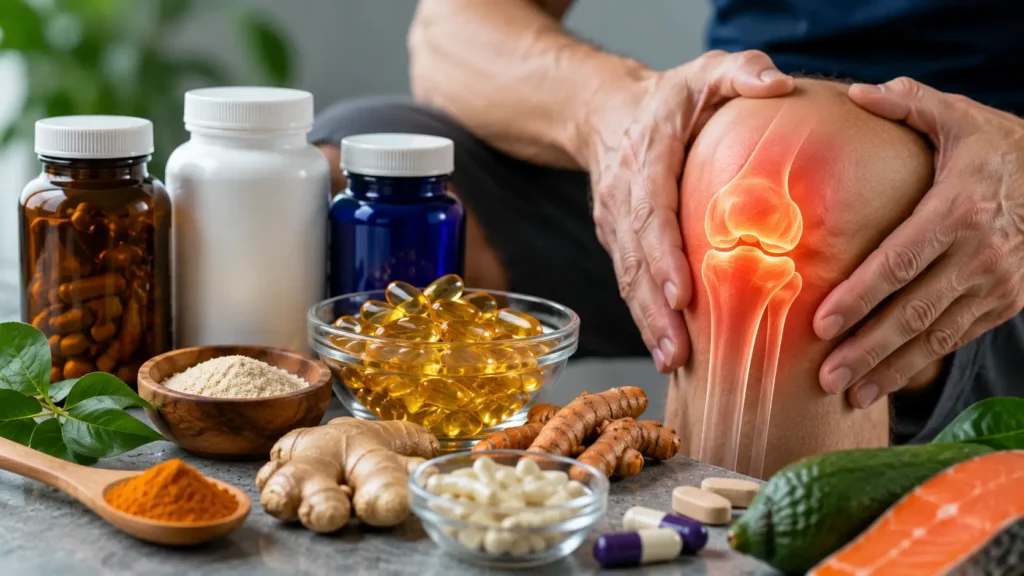
1. Glucosamine and Chondroitin
Why it works: Glucosamine is an amino sugar that supports cartilage structure, while chondroitin helps retain water in cartilage, maintaining elasticity.
Best for: Knee pain, general joint stiffness, and osteoarthritis progression
Typical dosage: 1,500 mg glucosamine and 1,200 mg chondroitin daily
What users report: Many people with knee pain and joint stiffness notice improvement within 4-8 weeks of consistent use. Results vary, but this remains one of the most researched joint supplements.
Side effects: Generally well-tolerated; some may experience mild digestive issues.
2. Collagen Supplements for Joint Pain
Why it works: Collagen is the main structural protein in connective tissue. Collagen peptides provide amino acids that rebuild cartilage and support joint integrity.
Best for: Joint pain relief, improved mobility, and skin health benefits
Collagen supplements for joint pain reviews 2026: Recent studies show hydrolyzed collagen (Type II) demonstrates promising results for joint health and pain reduction.
Typical dosage: 10-20 grams daily
What users report: Notable improvements in joint stiffness and pain levels within 4-12 weeks. Many users appreciate the dual benefits for skin and hair.
Research findings: Clinical trials suggest collagen supplementation may reduce joint pain by up to 40% in some individuals.
Pro tip: Look for grass-fed, non-GMO collagen from reputable brands for optimal quality.
3. Natural Supplements for Osteoarthritis in Hands
Curcumin (Turmeric Extract)
Why it works: Curcumin is a powerful anti-inflammatory compound that reduces joint inflammation at the cellular level.
Best for: Osteoarthritis in hands, general arthritis pain relief, and inflammatory conditions
Typical dosage: 500-2,000 mg daily with black pepper (piperine) for better absorption
What users report: Significant relief from hand stiffness and pain, especially when used consistently
Important note: Consult your doctor if taking blood thinners, as turmeric has mild anticoagulant properties.
Boswellia Serrata (Frankincense)
Why it works: Contains boswellic acids that inhibit inflammatory pathways in joints
Best for: Natural osteoarthritis relief, particularly in hands and wrists
Typical dosage: 300-500 mg, 2-3 times daily
What users report: Users frequently mention reduced swelling and improved grip strength within 2-4 weeks
4. Vitamins That Help with Arthritis Pain Relief
Vitamin D
Why it matters: Low vitamin D levels are linked to increased arthritis risk and severity
What vitamins help with arthritis pain relief: Vitamin D supports calcium absorption and immune regulation
Typical dosage: 1,000-4,000 IU daily (varies by location and sun exposure)
Recommended test: Have your vitamin D levels checked; optimal range is 30-50 ng/mL
Vitamin C
Why it matters: Supports collagen synthesis and acts as a powerful antioxidant
What helps arthritis pain: Vitamin C may slow cartilage degeneration
Typical dosage: 500-1,000 mg daily
Food sources: Citrus fruits, berries, leafy greens, and bell peppers
B Vitamins
Why they matter: Support nerve function and reduce inflammation markers
Particularly beneficial: B6, B12, and folate
Typical dosage: Follow recommended daily allowances unless advised by healthcare provider
5. Omega-3 Fatty Acids
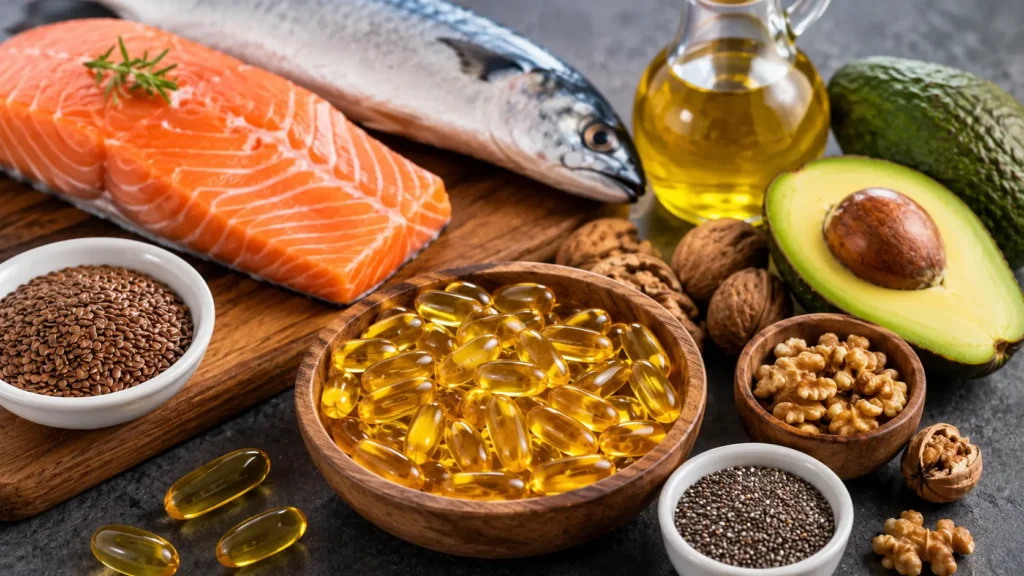
Why it works: Reduces inflammatory molecules in the body and supports joint lubrication
Best for: General arthritis pain relief and joint stiffness
Typical dosage: 1,000-3,000 mg EPA/DHA daily
Sources: Fatty fish, flax seeds, chia seeds, or supplemental fish oil
What users report: Noticeable reduction in morning stiffness and overall pain levels
6. MSM (Methylsulfonylmethane)
Why it works: Provides sulfur needed for cartilage and collagen production
Best for: Joint pain, flexibility improvement, and anti-inflammatory support
Typical dosage: 1,000-3,000 mg daily
What users report: Improved mobility and reduced pain, especially when combined with glucosamine
7. Hyaluronic Acid
Why it works: Acts as a lubricant and shock absorber in joints
Best for: Knee pain and general joint lubrication
Typical dosage: 50-200 mg daily
What users report: Smoother joint movement and reduced creaking or popping sounds
Best Supplements for Knee Pain: A Focused Approach
Best supplements for knee pain and joint stiffness require a multi-faceted approach:
- Start with glucosamine + chondroitin for cartilage support
- Add collagen peptides for structural reinforcement
- Include curcumin for inflammation reduction
- Use hyaluronic acid for lubrication
- Maintain adequate vitamin D for overall bone health
Timeline expectations: 6-12 weeks for noticeable improvement in most cases
Natural Supplements for Osteoarthritis in Hands
Hand arthritis presents unique challenges due to fine motor requirements. Focus on:
- Boswellia serrata: Reduces swelling specifically in hand joints
- Ginger extract: Natural anti-inflammatory for small joints
- Devil’s Claw: Traditionally used for joint pain relief
- Vitamin D: Supports immune regulation in autoimmune arthritis
- Collagen Type II: Maintains cartilage in hand joints
Combination approach: Many users find success combining 2-3 supplements rather than relying on one alone.
Collagen Supplements for Joint Pain: 2026 Reviews and Insights
Why Collagen is Gaining Popularity
Collagen supplements for joint pain reviews 2026 show increasing consumer satisfaction due to:
- Dual benefits: Joint health and beauty results
- Improved formulations: Better absorption and bioavailability
- Scientific backing: More clinical trials validating efficacy
- Variety of sources: Marine, bovine, and plant-based options
- Additional ingredients: Many products now include complementary compounds like hyaluronic acid and vitamin C
Top-Rated Collagen Products (2026)
- Type II Collagen: Best for joints; from cartilage
- Type I & III Collagen: Best for skin; from bones and skin
- Hydrolyzed Collagen Peptides: Most absorbable form
- Grass-fed, non-GMO sources: Preferred for quality and purity
How to Choose the Best Supplement for Your Needs
Step 1: Identify Your Primary Concern
- Osteoarthritis in hands → Focus on Boswellia, curcumin, vitamin D
- Knee pain and stiffness → Prioritize glucosamine, chondroitin, collagen
- General arthritis pain → Multi-formula approach recommended
Step 2: Consider Quality Indicators
- ✓ Third-party tested
- ✓ GMP certified
- ✓ Clear ingredient sourcing
- ✓ No artificial additives
- ✓ Appropriate dosages
Step 3: Check for Interactions
Consult your healthcare provider about:
- Current medications
- Existing health conditions
- Potential supplement interactions
- Appropriate dosages for your situation
Step 4: Give It Time
Most joint supplements require 4-12 weeks for noticeable effects. Consistency is key.
Lifestyle Factors That Enhance Supplement Effectiveness
Supplements work best when combined with:
Physical Activity
- Low-impact exercises (swimming, walking, yoga)
- Strength training for joint support muscles
- Regular stretching and flexibility work
Nutrition
- Anti-inflammatory foods (berries, fatty fish, leafy greens)
- Adequate protein for cartilage repair
- Limited processed foods and sugar
Weight Management
- Reduces joint stress, especially knees
- Improves supplement effectiveness
- Decreases inflammation markers
Sleep Quality
- Supports joint repair and recovery
- Reduces pain perception
- Enhances immune function
Stress Reduction
- Meditation and mindfulness
- Regular relaxation practices
- Manages inflammatory response
Important Safety Considerations
Consult your doctor before starting supplements if you:
- Take blood thinners (especially with turmeric and omega-3s)
- Have shellfish allergies (glucosamine often comes from shellfish)
- Are pregnant or breastfeeding
- Have existing health conditions
- Take medications that might interact
Potential side effects to monitor:
- Mild digestive upset
- Allergic reactions
- Medication interactions
- Unexpected symptoms (discontinue and consult doctor)
Common Questions About Joint Supplements
Q: How long until I see results? A: Most people notice improvements within 4-8 weeks of consistent use, though some require 12 weeks.
Q: Can I take multiple supplements together? A: Yes, many work synergistically, but verify with your healthcare provider for safety.
Q: Are supplements better than medications? A: Supplements support joint health but may not replace necessary medications. Use as complementary therapy.
Q: What’s the best time to take supplements? A: Generally with meals for better absorption; follow product instructions.
Q: Are supplements covered by insurance? A: Rarely; they’re typically considered OTC products. Some HSA/FSA accounts may cover them.
Conclusion
Finding the best supplements for joint pain and arthritis relief requires patience, research, and personalization. What works exceptionally well for one person might need adjustment for another.
Key takeaways:
- Glucosamine and chondroitin remain proven choices for joint pain
- Collagen supplements for joint pain show impressive 2026 reviews and research support
- Natural supplements for osteoarthritis in hands like Boswellia and curcumin offer anti-inflammatory benefits
- Vitamins (especially D and C) support overall joint health
- Combination approaches often yield better results than single supplements
- Consistency and lifestyle factors are essential for success
Remember: I am not a doctor, and this information is educational only. Work with your healthcare provider to develop a comprehensive joint health strategy that includes appropriate supplements, physical activity, nutrition, and medical care.
Read More: Benefits of Drinking Lemon Water: The Complete Science-Based Guide to Hydration & Health (2026)