
Nipah Virus Alert June 2026
A new health alarm is spreading across the globe this morning. On June 11, 2026, a 43-year-old man in Kozhikode outbreak, India tested positive for the Nipah virus alert — one of the deadliest pathogens on the planet — and is currently on ventilator support at Government Medical College Hospital. Health authorities in India have launched emergency contact tracing and quarantine protocols, while the World Health Organization is closely monitoring the situation.
What Is the Nipah Virus? Why Doctors Fear It More Than Most
The Nipah virus (NiV) is a zoonotic pathogen — meaning it jumps from animals to humans — and it is classified by the WHO as one of the ten priority pathogens most likely to cause a global public health emergency.
Here is what makes it so dangerous:
- Fatality rate: 40% to 75% according to WHO. In the 2018 Kozhikode outbreak, the case fatality rate reached 91% — 21 deaths out of 23 confirmed cases.
- No approved vaccine exists. Unlike COVID-19, there is no licensed Nipah Virus is no vaccine to prevent Nipah infection.
- No specific treatment. Supportive care is the only option. The CDC has flagged Remdesivir as a potential therapy, but it remains experimental for Nipah.
- Person-to-person transmission is confirmed. Unlike many animal-origin viruses, Nipah can spread directly from one infected person to another through close contact with bodily fluids.
- Incubation period: 4 to 14 days — sometimes up to 45 days — meaning carriers can unknowingly spread the virus before showing symptoms.
For context: COVID-19 had a global fatality rate under 2% at its peak. Nipah’s fatality rate is up to 37 times higher.
Read More: Olive Oil Pancreatic Cancer Risk Oleic Acid Study 2026 — What the Research Found
The June 11, 2026 Case — What We Know So Far
Here are the confirmed facts about today’s breaking case:
- A 43-year-old businessman from Farook, Kozhikode developed Nipah-like symptoms and was admitted to a private hospital before being transferred to Government Medical College Hospital.
- He is currently on ventilator support in an isolation ward.
- Preliminary tests at the Medical College laboratory returned positive for Nipah virus.
- His samples have been sent to the National Institute of Virology (NIV) in Pune for final laboratory confirmation. Results are expected within hours.
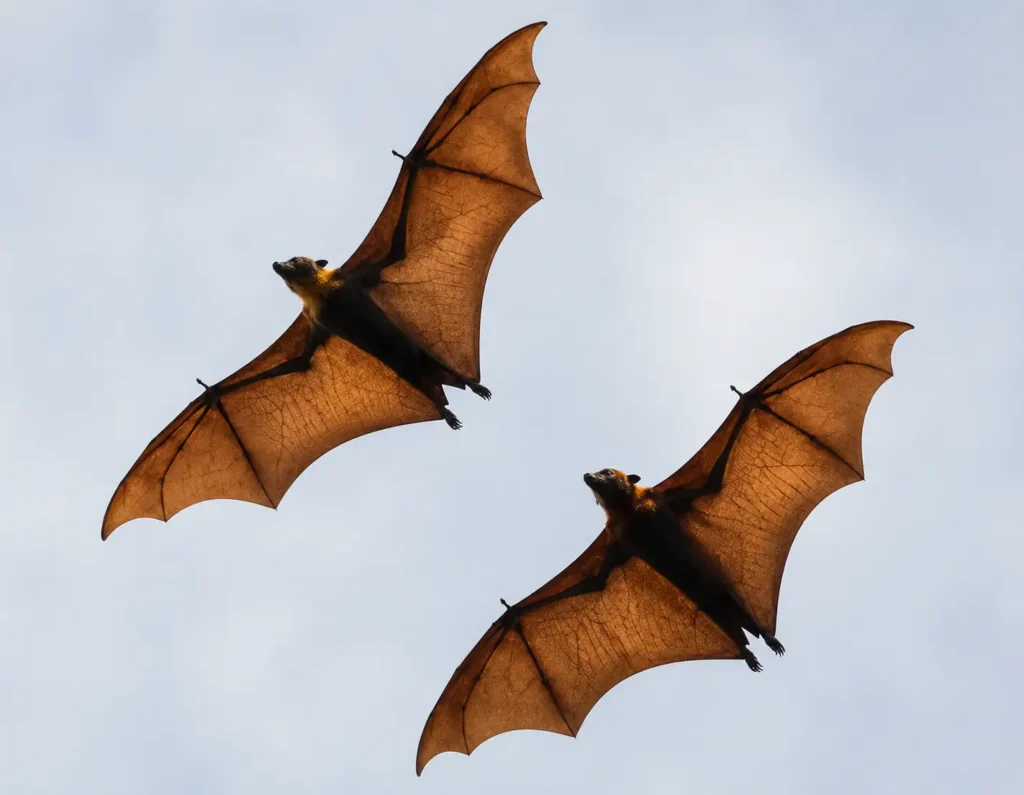
- The patient is believed to have contracted the virus while cleaning an old building with a heavy bat presence — fruit bats are the primary natural host of Nipah.
- Health authorities have begun tracing all contacts, including hospital staff, outpatient workers, and people who were near him during MRI and echocardiography procedures at a local hospital.
- Kerala Health Minister K. Muraleedharan stated: “Based on Early symptoms Nipah Virus and the preliminary test, it points to Nipah.”
This is the latest in a recurring pattern in Kozhikode. The same district saw outbreaks in 2018 (21 deaths), 2021 (1 death), and 2023 (2 deaths).
7 Alarming Facts About Nipah Virus That Every American Should Understand

1. It kills faster than almost any known virus. Nipah can progress from first symptoms to coma within 24 to 48 hours in severe cases. Brain inflammation (encephalitis), seizures, and respiratory failure can follow rapidly.
2. Early symptoms Nipah Virus look deceptively mild. Initial signs include fever, headache, sore throat, muscle pain, vomiting, and dizziness — Early symptoms Nipah Virus easily confused with the flu or even alcohol withdrawal, as happened in today’s case. This delay in diagnosis is one of the biggest threats to containment.
3. Bats spread it — and bat habitats are everywhere. Fruit bats of the genus Pteropus are the natural reservoir for Nipah. In the United States, while the specific Pteropus bat species are not native, the broader risk of zoonotic spillover from bats — as seen with rabies, SARS, and COVID-19 — is well documented.
4. Nipah Virus is no vaccine, and development is slow. Two vaccine candidates are being studied, but neither has passed full human trials. The WHO has been calling for accelerated Nipah Virus is no vaccine development since 2018. As of today, no licensed vaccine exists anywhere in the world.
5. It has already crossed borders. In the January 2026 outbreak originating in West Bengal, India, Thailand, Indonesia, Nepal, and Malaysia all tightened airport screening. Thermal scanners were deployed and passengers from affected regions were required to fill health declaration forms.
6. Healthcare workers are at serious risk. In previous outbreaks, a significant proportion of those infected were doctors and nurses treating patients. In today’s case, health workers who performed MRI and cardiac procedures on the patient are already in quarantine.
7. The U.S. CDC has Nipah on its bioterrorism watch list. The CDC classifies Nipah as a Category C bioterrorism agent — not because of deliberate threat, but because of its potential for severe public health impact and the difficulty of containing it. This classification reflects how seriously American health authorities view this pathogen.
Should Americans Be Worried Right Now?
The honest answer: Not immediately — but this deserves close attention.
Here is why the direct risk to Americans today is low:
- Nipah does not spread through the air like influenza or COVID-19. It requires close direct contact with an infected person’s bodily fluids.
- The current case is a single preliminary positive in a country with proven Nipah response protocols. India has successfully contained every previous outbreak.
- The U.S. has strong border surveillance, hospital isolation capacity, and CDC rapid response teams.
Here is why this warrants watching:
- International travel between the U.S. and India runs at over 1.2 million passengers per year. An undetected case during the 4–14 day incubation window could theoretically arrive in the U.S. before symptoms appear.
- There is currently no fast point-of-care diagnostic test widely available outside specialized labs — meaning early detection in a U.S. emergency room would be difficult without a specific clinical suspicion.
- The Bundibugyo Ebola strain (also active right now in Congo with 635 confirmed cases) has no vaccine either, creating a simultaneous dual-pathogen watch that global health officials have not seen in years.
What Precautions Can Americans Take?

You do not need to panic — but being informed is the first line of defense:
- If you traveled to South Asia recently and develop fever, severe headache, or confusion within 14 days of return, inform your doctor immediately and mention your travel history.
- Avoid contact with fruit bats and never consume raw date palm sap or fruit that may have been contaminated by bats — a known transmission route in South and Southeast Asia.
- Wash hands frequently with soap and water, particularly after any contact with animals or wildlife.
- Monitor CDC travel notices at cdc.gov for any updated travel advisories related to India’s Nipah situation.
- Healthcare workers should be aware of Nipah symptoms and use full PPE protocols when treating any patient with recent travel to affected regions.
The Bottom Line
The Nipah virus alert June 2026 is a developing situation that the global health community is watching closely. With a fatality rate of up to 75%, no vaccine, no specific cure, and confirmed human-to-human transmission, Nipah is not a pathogen to dismiss.
For Americans, the immediate risk remains low — but this is exactly the kind of outbreak that demands early attention, not reactive panic after the fact. Stay informed, monitor your local CDC updates, and recognize that global health in 2026 is increasingly interconnected.
Read More: Tea Longevity Heart Disease Prevention 2026 — What the Research Shows