You set your alarm, sleep on time, and get a full 8 hours — yet you still feel tired even after 8 hours of sleep. Sound familiar? You are not alone. Millions of people around the world wake up every single morning feeling completely drained, groggy, and exhausted despite clocking the “recommended” hours of sleep.
The truth is — sleep duration is not the same as sleep quality. Just because you spend 8 hours in bed does not mean your body is actually resting, recovering, and recharging the way it should.
Is 8 Hours of Sleep Really Enough?
Before we dive into the reasons, let us clear up a common myth. The “8 hours of sleep” rule is a general guideline — not a guaranteed formula for feeling rested. Sleep quality, sleep cycles, and your body’s unique needs all play a massive role in how refreshed you feel when you wake up.
If you consistently feel tired even after 8 hours of sleep, something deeper is going on. Let us find out what.
10 Shocking Reasons You Feel Tired Even After 8 Hours of Sleep
1. You Have Poor Sleep Quality — Not Just Poor Sleep Quantity
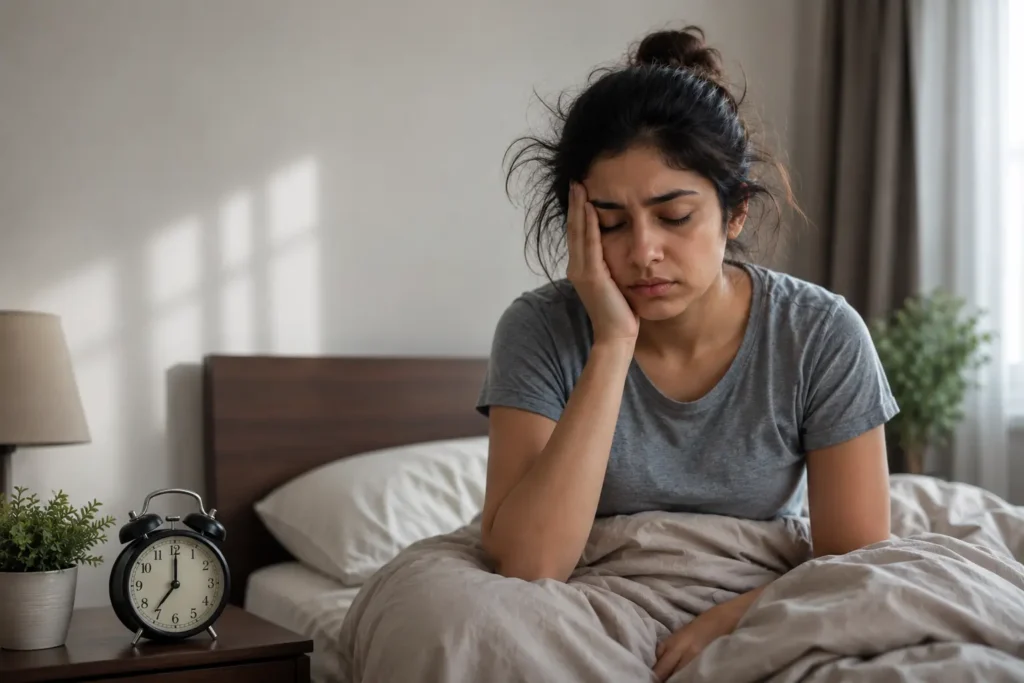
This is the number one reason most people miss. You might be in bed for 8 hours, but how much of that is deep, restorative sleep?
Sleep happens in cycles — light sleep, deep sleep, and REM (Rapid Eye Movement) sleep. Your body repairs tissues, consolidates memories, and releases growth hormones during deep sleep and REM sleep. If something is constantly disrupting these stages — noise, light, stress, or frequent waking — you will feel exhausted no matter how many hours you sleep.
Fix it: Use a sleep tracker (like a smartwatch or app) to check how much deep sleep you are actually getting each night.
2. You May Have Undiagnosed Sleep Apnea
Sleep apnea is one of the most shocking and underdiagnosed causes of daytime fatigue worldwide. It is a condition where your breathing repeatedly stops and starts during sleep — sometimes hundreds of times per night — without you even realising it.
Each time breathing stops, your brain briefly wakes up to restart it. This completely destroys your deep sleep cycle, leaving you exhausted in the morning even after 8 hours in bed.
Symptoms to watch for:
- Loud snoring
- Waking up with a dry mouth or headache
- Gasping during sleep (reported by a partner)
- Extreme daytime sleepiness
Fix it: See a doctor for a sleep study. Sleep apnea is highly treatable with CPAP therapy or lifestyle changes.
Read More: High Protein Roti Recipes to Support Muscle Building (2026 Guide)
3. Your Cortisol and Stress Levels Are Too High
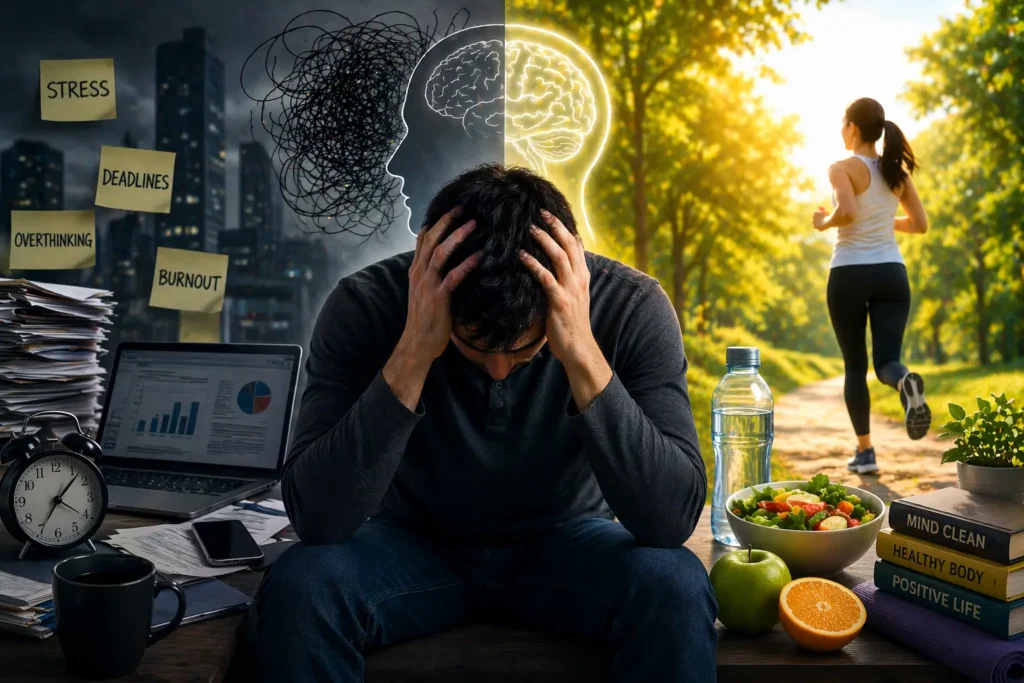
When you are chronically stressed, your body produces excess cortisol — the stress hormone. High cortisol at night prevents your body from entering deep, restorative sleep stages, even if you are physically in bed and technically “asleep.”
This is why people going through stressful life events — job pressure, relationship problems, financial worries — almost always Feel Tired Even After 8 Hours of Sleep after a full night’s sleep.
Fix it: Practice 10 minutes of deep breathing or meditation before bed. Reduce screen time after 9 PM. Journaling before sleep can also dramatically lower cortisol levels.
4. You Are Dehydrated Without Knowing It
Most people do not connect dehydration with tiredness — but the science is very clear. Even mild dehydration (as little as 1-2% fluid loss) causes fatigue, brain fog, and poor concentration.
When you sleep, your body loses water through breathing and sweating. If you do not hydrate properly before bed and immediately after waking up, your body starts the day already running on empty.
Fix it: Drink a full glass of water within 10 minutes of waking up. Keep a water bottle next to your bed.
5. You Have a Nutritional Deficiency
This is one of the most overlooked reasons people feel tired after sleeping. Key nutrient deficiencies that cause chronic fatigue include:
- Iron deficiency (Anemia) — extremely common, especially in women
- Vitamin D deficiency — affects over 1 billion people worldwide
- Vitamin B12 deficiency — causes fatigue, weakness, and brain fog
- Magnesium deficiency — magnesium is essential for deep sleep and muscle recovery
If you feel constantly tired despite sleeping well, get a basic blood test done. The results might completely change your energy levels.
Fix it: Eat iron-rich foods (spinach, lentils, red meat), get sunlight daily for Vitamin D, and consider a B12 supplement if you follow a vegetarian or vegan diet.
6. Your Sleep Schedule Is Irregular
Do you sleep at 10 PM on weekdays and 2 AM on weekends? This inconsistency destroys your circadian rhythm — your body’s internal 24-hour clock that regulates sleep and wakefulness.
When your sleep schedule changes constantly, your body never knows when to feel sleepy or alert. The result? You feel groggy, disoriented, and tired — even after 8 hours of sleep.
Fix it: Go to bed and wake up at the same time every day — including weekends. This single habit can dramatically improve how rested you feel within 2 weeks.
7. You Are Consuming Too Much Caffeine
Caffeine has a half-life of 5 to 7 hours — meaning that if you drink coffee at 4 PM, half of that caffeine is still in your system at 10 PM. This disrupts your ability to fall into deep sleep, even if you feel like you are sleeping soundly.
Many people do not realise that their afternoon coffee, evening tea, energy drinks, or even dark chocolate is quietly wrecking their sleep quality.
Fix it: Cut off all caffeine consumption by 2 PM. Switch to herbal teas like chamomile or peppermint in the evening.
8. You Are Sleeping in a Poor Environment

Your bedroom environment has a massive impact on sleep quality. Common Poor sleep environment problems include:
- Room too warm — ideal sleep temperature is 16–19°C (60–67°F)
- Too much light — even small LED indicator lights can suppress melatonin
- Noise disruptions — traffic, snoring partners, or early morning sounds
- Poor quality mattress or pillow — causes physical discomfort and frequent micro-awakenings
Fix it: Invest in blackout curtains, use earplugs or a white noise machine, and keep your room cool at night. These changes cost very little but make an enormous difference.
9. You Have an Underlying Medical Condition
Sometimes, chronic fatigue despite adequate sleep is a sign of an underlying health condition that needs medical attention. Common conditions linked to persistent tiredness include:
- Hypothyroidism (underactive thyroid) — slows down your entire metabolism
- Diabetes — blood sugar imbalances cause energy crashes
- Chronic Fatigue Syndrome (CFS) — a complex condition characterised by extreme fatigue
- Depression and anxiety — both massively impact sleep quality and energy levels
- Anemia — low red blood cell count reduces oxygen delivery to the body
Fix it: If you have been tired for more than 4 weeks despite improving your sleep habits, see a doctor and ask for a full blood panel.
10. You Are Not Getting Enough Physical Activity
This sounds counterintuitive — but people who do little to no physical activity often feel more tired than those who exercise regularly.
Exercise increases the production of mitochondria in your cells — your body’s energy factories. It also improves the depth and quality of your sleep, reduces cortisol, and boosts serotonin levels that regulate mood and energy.
A sedentary lifestyle leads to what experts call “fatigue from under-use” — your body becomes inefficient at producing and using energy.
Fix it: Start with just 20–30 minutes of walking every day. Within 2 weeks, most people report significantly improved energy levels and better sleep quality.
Quick Summary: What to Do If You Feel Tired After 8 Hours of Sleep
| Problem | Quick Fix |
|---|---|
| Poor sleep quality | Use a sleep tracker, improve sleep hygiene |
| Sleep apnea | See a doctor, sleep study |
| High stress/cortisol | Meditation, journaling, screen-free evenings |
| Dehydration | Drink water first thing in the morning |
| Nutritional deficiency | Blood test, iron/B12/Vitamin D supplements |
| Irregular sleep schedule | Fixed bedtime and wake time every day |
| Too much caffeine | No caffeine after 2 PM |
| Poor sleep environment | Blackout curtains, cool room, white noise |
| Medical condition | Full blood panel with doctor |
| No exercise | 20–30 min walk daily |
FAQs: Feel Tired Even After 8 Hours of Sleep
Q1: Is it normal to feel tired after 8 hours of sleep? It is common but not normal. If it happens occasionally, it may be due to stress or diet. If it happens daily, there is likely an underlying cause that needs to be addressed.
Q3: Which vitamin deficiency causes the most tiredness? Iron, Vitamin D, Vitamin B12, and Magnesium deficiencies are the most common causes of chronic fatigue. A simple blood test can identify which one you are lacking.
Conclusion: Feel Tired Even After 8 Hours of Sleep
If you feel tired even after 8 hours of sleep, your body is sending you an important signal — and it deserves your attention. The solution is rarely as simple as “sleep more.” Instead, focus on sleep quality, nutrition, hydration, stress management, and movement.
Start with one or two changes from this list today. Track how you feel over the next two weeks. Most people are genuinely shocked at how much better they feel once they identify and fix the real root cause of their fatigue.
Read More: Silent Acid Reflux (LPR) Symptoms You Shouldn’t Ignore