
Why Food Really Safe Should Be Your #1 Priority
According to the World Health Organization (WHO), unsafe food causes 600 million cases of foodborne illness and 420,000 deaths every year. From bacterial contamination to chemical adulterants, the threats are real, widespread, and often invisible to the naked eye.
Food safety isn’t just a government responsibility — it’s yours too. Understanding these scandals empowers you to make smarter choices at the supermarket, in restaurants, and even in your own kitchen.
The Bihar Cucumber Contamination Scandal (2026)
One of the most recent and disturbing food safety incidents to go viral involved a street food vendor in Bihar, India. A video circulating online showed cucumbers being washed in highly unsanitary water, sparking mass public outrage. Authorities detained 9 people following the incident.
This case highlighted a deeply troubling reality: street food hygiene standards in many parts of India remain dangerously low. Cucumbers, often eaten raw without cooking, are particularly vulnerable to surface contamination.
What you can do:
- Always wash raw vegetables under clean, running water
- Use a vegetable brush for produce with thick skins
- When buying from street vendors, observe hygiene practices before purchasing
2. The Dry Milk Powder Recall: A Hidden Danger in Everyday Products
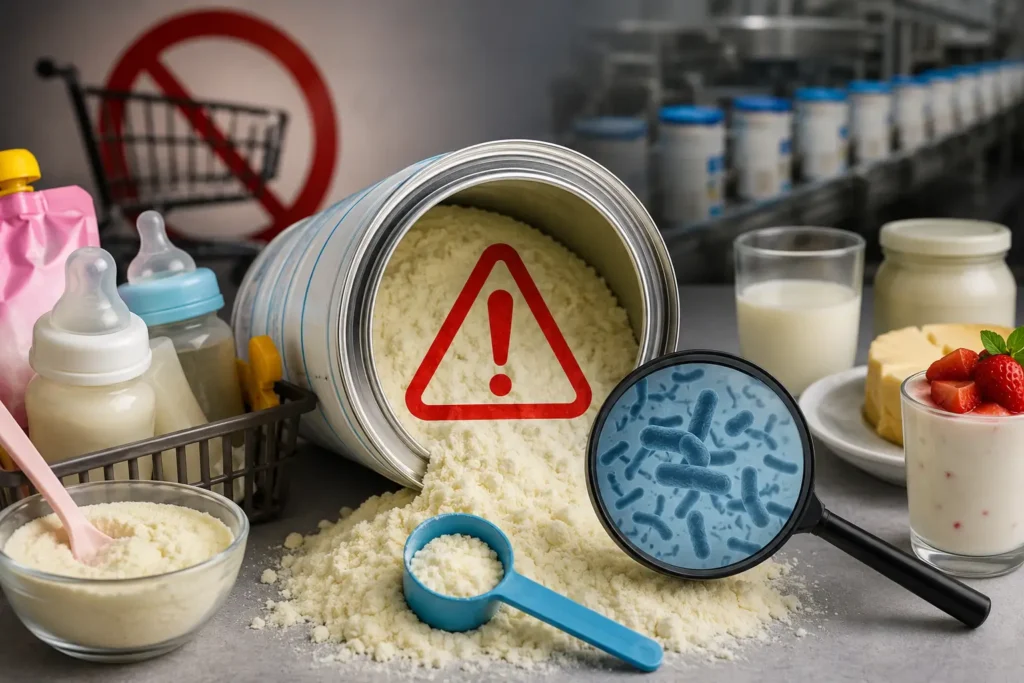
A food safety alert was recently issued by Mesa County warning consumers about multiple products affected by a dry milk powder recall. Dry milk powder is a common ingredient found in chocolates, protein powders, infant formula, baked goods, and snack bars.
What makes this particularly alarming is that most consumers don’t even realize they’re consuming dry milk powder in processed foods. Cross-contamination during manufacturing can introduce harmful bacteria like Salmonella or Listeria — organisms that can cause severe illness, especially in children, elderly people, and immunocompromised individuals.
What you can do:
- Regularly check the FDA recall list at fda.gov
- Read ingredient labels on all processed foods
- Discard any recalled products immediately — do not consume them
Read More: Vitamin C Benefits in 2026: Why Your Body Needs It Daily
3. What a 30-Year Food Safety Lawyer Refuses to Eat
Bill Marler, a food safety attorney with over 30 years of experience suing food companies, recently published his list of foods he personally refuses to eat. His insights are eye-opening for anyone who believes “it won’t happen to me.”
His top avoidances include:
- Raw oysters — high risk of Vibrio contamination
- Unpasteurized (raw) milk — linked to E. coli, Salmonella, and Listeria outbreaks
- Pre-cut melons — bacteria multiply rapidly on cut surfaces
- Raw sprouts — warm, moist growing conditions are perfect for pathogens
- Rare or undercooked ground beef — ground beef mixes multiple cuts, spreading contamination
His verdict? “If it’s raw or undercooked, the risk is rarely worth it.”
4. The Fast Food Ice Machine Crisis
You may not know this, but fast food ice has been found to contain more bacteria than toilet water in multiple independent studies conducted over the past decade. Ice machines are rarely cleaned thoroughly, and biofilm — a layer of bacteria — builds up on internal surfaces.
A 2024 investigation across major fast food chains in the UK found coliform bacteria (an indicator of fecal contamination) in ice samples from 30% of the restaurants tested. Similar studies in the US and India have produced equally alarming results.
What you can do:
- Ask for drinks without ice at fast food restaurants when possible
- At home, clean your ice maker every 3–6 months
- Never put unwashed hands into ice buckets or dispensers
5. Pesticide Residues on Your “Fresh” Produce
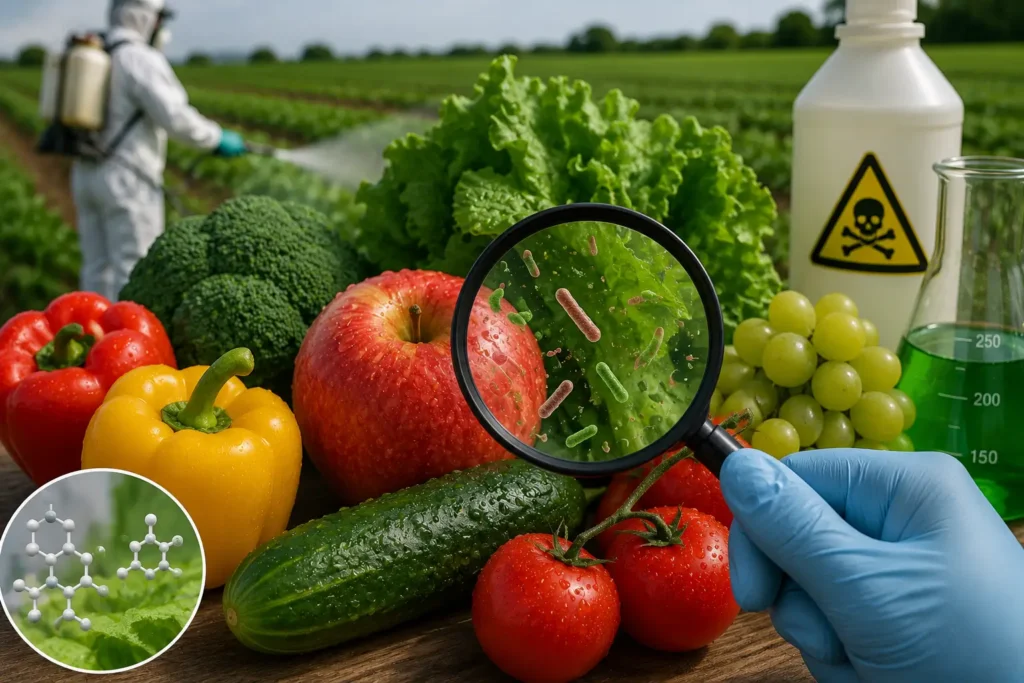
Every year, the Environmental Working Group (EWG) publishes its Dirty Dozen list — a ranking of the fruits and vegetables most contaminated with pesticide residues. Consistently at the top are strawberries, spinach, peppers, apples, and grapes.
While regulatory agencies maintain that residue levels are “within safe limits,” long-term cumulative exposure to multiple pesticides — often called the “cocktail effect” — is a growing concern among independent scientists and nutritionists. Children and pregnant women are considered most at risk.
What you can do:
- Buy organic for the Dirty Dozen produce
- Wash all produce thoroughly, even if pre-washed
- Peel fruits and vegetables when possible
- Support local, chemical-free farmers when available
How to Stay Safe: 5 Golden Food Safety Tips
Now that you know the scandals, here’s how to protect yourself and your family every single day:
- Wash hands thoroughly before and after handling food — for at least 20 seconds with soap
- Cook food to safe temperatures — use a food thermometer, especially for meat and poultry
- Refrigerate promptly — bacteria multiply rapidly between 40°F and 140°F (4°C–60°C)
- Separate raw and cooked foods — never use the same cutting board for meat and vegetables
- Stay updated on recalls — bookmark your country’s food safety authority website
Final Thoughts: Don’t Wait for a Scandal to Strike Your Home
Food safety scandals are not just headlines — they are wake-up calls. From contaminated street food in Bihar to recalled milk powder affecting dozens of products, the threats are real and closer to home than most of us realize.
The good news? You have the power to protect yourself. By staying informed, reading labels, following safe food handling practices, and demanding accountability from food companies, you can significantly reduce your risk.
Share this post with your family and friends — because food safety is everyone’s business.
Read More: Blue Light Face Aging: Are Mobile Screens Making You Look Older Faster?