What Is a Heart Attack? A Quick Overview
A heart attack — medically known as a myocardial infarction (MI) — occurs when blood flow to a part of the heart muscle is blocked, usually by a buildup of plaque in the coronary arteries. When the heart muscle doesn’t receive enough oxygen-rich blood, it begins to die.
The longer the blockage goes untreated, the more damage is done. This is why the phrase “time is muscle” is used by cardiologists worldwide — fast action saves heart tissue and lives.
The Classic Heart Attack Warning Signs You Should Never Ignore
1. Chest Pain, Pressure, or Tightness
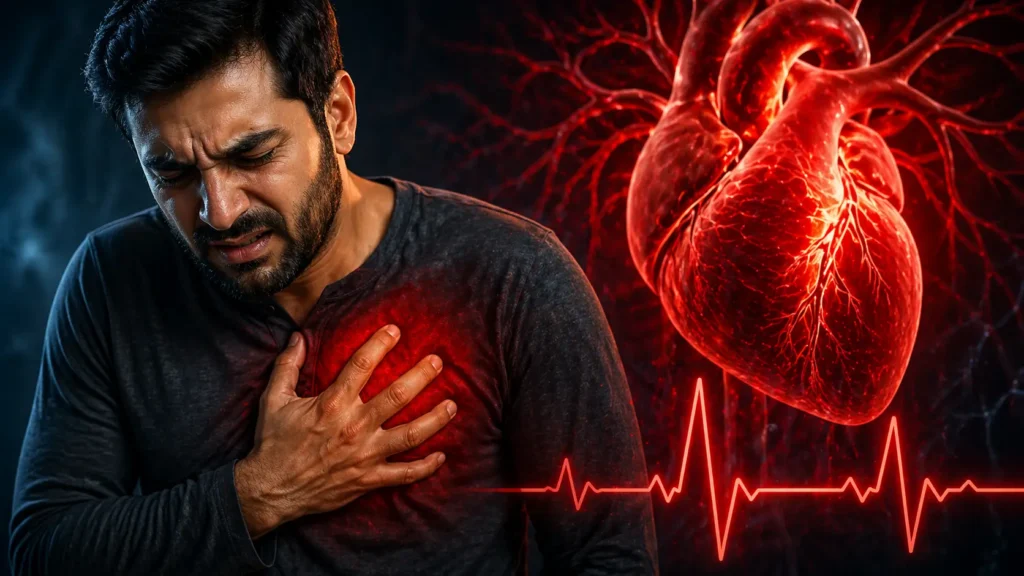
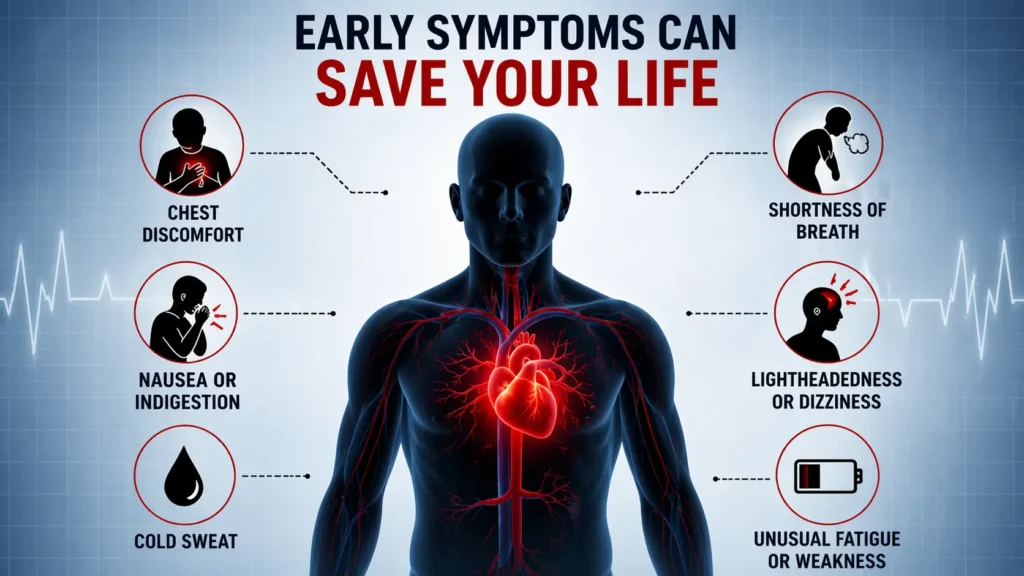
The most well-known symptom of a heart attack is chest pain or discomfort. However, many people are surprised to learn it doesn’t always feel like the dramatic, crushing chest pain shown in movies.
It can feel like:
- A squeezing or pressure sensation in the center of the chest
- A dull, heavy weight on the chest
- A burning feeling that mimics heartburn
- Tightness that comes and goes or persists for more than a few minutes
Important: If you feel any unusual chest discomfort lasting more than 5 minutes, treat it as a medical emergency.
Pain Radiating to the Arm, Jaw, Neck, or Back
Heart attack pain doesn’t always stay in the chest. One of the most overlooked cardiac warning signs is pain or discomfort that spreads to other parts of the upper body, including:
- The left arm (though it can affect the right arm too)
- The jaw or teeth
- The neck or throat
- The upper back or between the shoulder blades
This “referred pain” occurs because the nerves that signal pain from the heart overlap with nerves from other areas. If you experience unexplained arm, jaw, or neck pain alongside any other symptom on this list, don’t wait — call emergency services immediately.
Shortness of Breath
Feeling breathless without physical exertion is a serious red flag. This symptom may occur with or without chest pain and can even appear before any chest discomfort develops.
If you find yourself suddenly unable to catch your breath while resting, lying down, or during light activity, it could signal that your heart is struggling to pump blood efficiently. This is a critical heart attack symptom, especially in older adults and people with diabetes.
Nausea, Vomiting, or Stomach Pain
Heart attacks can sometimes feel like gastrointestinal issues, which is one reason they’re so frequently misdiagnosed — especially in women. Symptoms can include:
- Nausea or an upset stomach
- Vomiting
- Abdominal pain or indigestion-like discomfort
These symptoms occur because the vagus nerve, which connects the heart and digestive tract, can trigger gut reactions during a cardiac event. If stomach discomfort is accompanied by sweating, chest pressure, or dizziness, seek emergency help right away.
Read More:- https://vitalmindflow.com/mental-health-crisis/
Cold Sweats and Clammy Skin
Breaking into a cold sweat without a clear reason — especially when combined with other symptoms — is a hallmark sign of a heart attack. The body’s stress response to the cardiac event activates the sweat glands.
If you or someone near you suddenly appears pale, sweaty, and clammy despite being at rest or in a cool environment, this is a medical emergency that should not be dismissed.
Dizziness or Lightheadedness
Feeling dizzy, faint, or suddenly lightheaded can indicate that blood flow to the brain has been reduced due to poor cardiac output. This is particularly concerning when combined with chest pain or shortness of breath.
Some people describe this sensation as the room spinning or feeling like they might pass out. If this happens unexpectedly, especially in a person with known heart disease or risk factors, do not drive — call for help immediately.
Extreme Fatigue
One of the most underappreciated early heart attack symptoms — especially in women — is unexplained, crushing fatigue. This is not the tiredness that comes from a long day at work. This is a profound, overwhelming exhaustion that makes even basic tasks feel impossible.
Studies show that many women report feeling extremely tired for days or even weeks before a heart attack occurs. If you experience fatigue that is unusual for you and seems unrelated to activity levels, schedule a visit with your doctor and mention your cardiovascular health.
Heart Attack Symptoms in Women: What’s Different?
Women are more likely than men to experience atypical heart attack symptoms — which is one reason heart disease remains the leading cause of death in women worldwide.
While chest pain is still common in women, they are more likely to also experience:
- Jaw, neck, or back pain as the primary symptom
- Nausea and vomiting
- Extreme fatigue
- Shortness of breath without significant chest pain
- Indigestion-like symptoms
These subtle signs are often mistaken for anxiety, flu, or acid reflux. Awareness of these differences could save thousands of lives every year.
Silent Heart Attacks: When There Are No Obvious Symptoms
A silent myocardial infarction (SMI) occurs when a heart attack happens with minimal or no recognizable symptoms. Estimates suggest that nearly 45% of all heart attacks are “silent,” going undetected until later discovered on an EKG or during a routine medical exam.
People most at risk for silent heart attacks include:
- Diabetics (due to nerve damage affecting pain perception)
- Older adults
- Women
Even without symptoms, silent heart attacks cause real damage to heart tissue and dramatically increase the risk of future cardiac events. Regular check-ups and heart screenings are essential, even if you feel fine.
What To Do If You Suspect a Heart Attack
Speed is everything. Here’s exactly what to do:
Step 1: Call Emergency Services Immediately Dial your local emergency number (such as 911 in the US) right away. Do not drive yourself to the hospital.
Step 2: Chew an Aspirin (If Not Allergic) If you’re not allergic to aspirin and have it available, chew one regular-dose (325 mg) or four low-dose (81 mg) aspirin tablets. This can help reduce blood clotting and preserve heart tissue.
Step 3: Stay Calm and Rest Sit or lie down in a comfortable position. Loosen tight clothing. Try to remain calm to reduce the heart’s oxygen demand.
Step 4: Be Ready to Perform CPR If the person loses consciousness and stops breathing, begin hands-only CPR: push hard and fast in the center of the chest at a rate of 100–120 compressions per minute.
Key Risk Factors for Heart Attack
Understanding your personal risk is essential. The most significant heart attack risk factors include:
- High blood pressure (hypertension)
- High LDL cholesterol
- Smoking or tobacco use
- Diabetes or prediabetes
- Obesity or sedentary lifestyle
- Family history of heart disease
- Stress and poor sleep
- Age (45+ for men, 55+ for women)
The good news? Many of these risk factors are modifiable. Lifestyle changes — including a heart-healthy diet, regular exercise, quitting smoking, and stress management — can dramatically lower your risk.
When to See a Doctor: Don’t Wait for a Crisis
If you experience any of the symptoms discussed above, even mildly, do not wait. Call emergency services. It is always better to be evaluated and told everything is fine than to delay treatment during a real cardiac event.
Additionally, make it a priority to schedule regular cardiovascular checkups with your doctor, especially if you have one or more risk factors. Tests like a lipid panel, blood pressure monitoring, EKG, and coronary calcium scoring can detect problems early — before a heart attack ever happens.
Final Thoughts: Knowledge Is the First Line of Defense
Heart attacks don’t always look like what we see on television. They can be subtle, confusing, and easily mistaken for something far less serious. That’s what makes awareness of heart attack warning signs so critically important.
Share this article with your family, your friends, and anyone you care about. Teaching people to recognize these symptoms — especially the less obvious ones — is one of the most powerful, potentially life-saving actions you can take.
Your heart works tirelessly for you every single day. It’s time to return the favor.
Read More:- https://vitalmindflow.com/dehydration/