
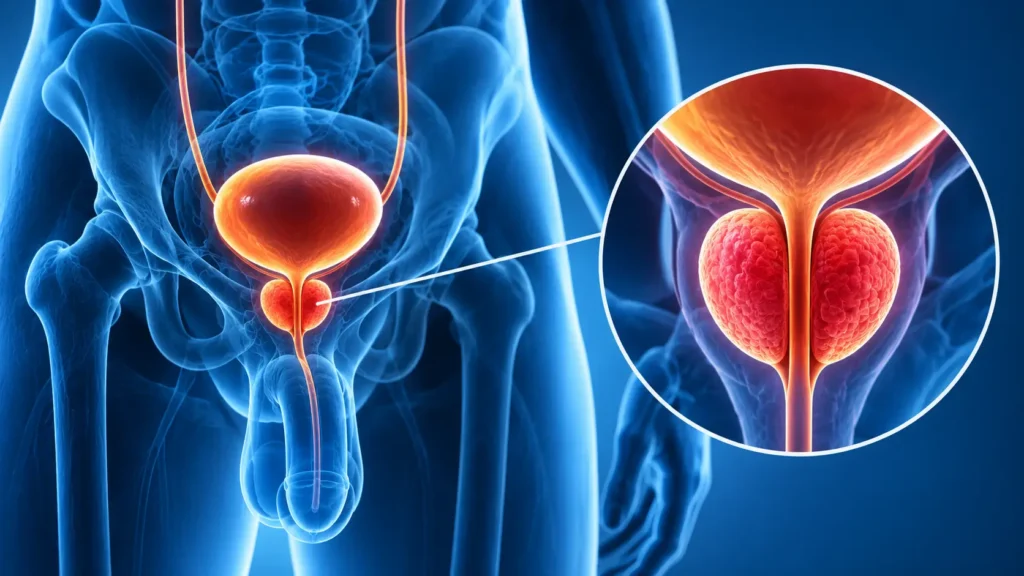
Why Matters for Prostate Health Diet After 50
Fifty is a meaningful milestone for prostate health. Risk of prostate enlargement (BPH) and prostate cancer both rise with age, and updated 2026 screening guidelines from the American Urological Association now emphasize individualized, risk-based screening starting in this decade of life. Diet won’t replace regular checkups or PSA testing, but it plays a real supporting role.
Several dietary patterns — particularly Mediterranean-style and plant-forward eating — have been linked in recent research to slower disease progression and better long-term outcomes for men managing prostate conditions. In other words, a solid diet and prostate health for men strategy isn’t just folk wisdom; it’s backed by a growing body of clinical evidence.
Your fifties are when small daily habits start showing up in big ways — and your prostate is no exception. If you’ve been searching for a prostate health diet after 50, you’re already ahead of most men your age. The good news? You don’t need an extreme diet overhaul. A few consistent, evidence-backed food choices can genuinely support prostate function, lower inflammation, and complement whatever screening plan your doctor recommends.
Disclaimer: I am not a doctor, and this article is for general informational purposes only. It is not a substitute for professional medical advice, diagnosis, or treatment. Always talk to a qualified healthcare provider about your specific prostate health needs.
Read More: Micro Workouts: The 10-Minute Fitness Solution for Busy People
What Foods Are Good for Prostate Health?
If you’re wondering what foods are good for prostate health, the research consistently points to a handful of categories. Here are the standout options to build your plate around.
1. Tomatoes and Lycopene-Rich Foods
Cooked tomatoes, tomato sauce, and watermelon are rich in lycopene, an antioxidant that has been studied for its potential protective effect on prostate tissue. Cooking tomatoes (as in sauces or soups) actually increases lycopene absorption compared to eating them raw.
2. Cruciferous Vegetables
Broccoli, cauliflower, cabbage, and Brussels sprouts contain sulforaphane, a compound associated with reduced inflammation and cellular protection. Aim for a few servings a week as part of any best foods for prostate health routine.
3. Fatty Fish
Salmon, sardines, and mackerel are excellent sources of omega-3 fatty acids, which help counter chronic inflammation — a factor increasingly linked to prostate issues.
4. Nuts and Seeds
Brazil nuts, pumpkin seeds, and flaxseeds provide zinc, selenium, and healthy fats, all of which are commonly recommended in prostate health nutrition tips from urologists.
5. Green Tea
Green tea contains catechins, plant compounds studied for their potential role in slowing abnormal cell growth. A cup or two a day is an easy addition to daily habits.
6. Legumes and Soy
Beans, lentils, chickpeas, and soy foods like tofu and edamame are staples in plant-forward diets that have shown promising associations with better prostate outcomes in long-term cohort studies.
Together, these make up some of the most reliable prostate health foods to eat on a regular basis — not as a strict prescription, but as a foundation you build meals around.
Best Foods for Prostate Health: Building a Weekly Pattern
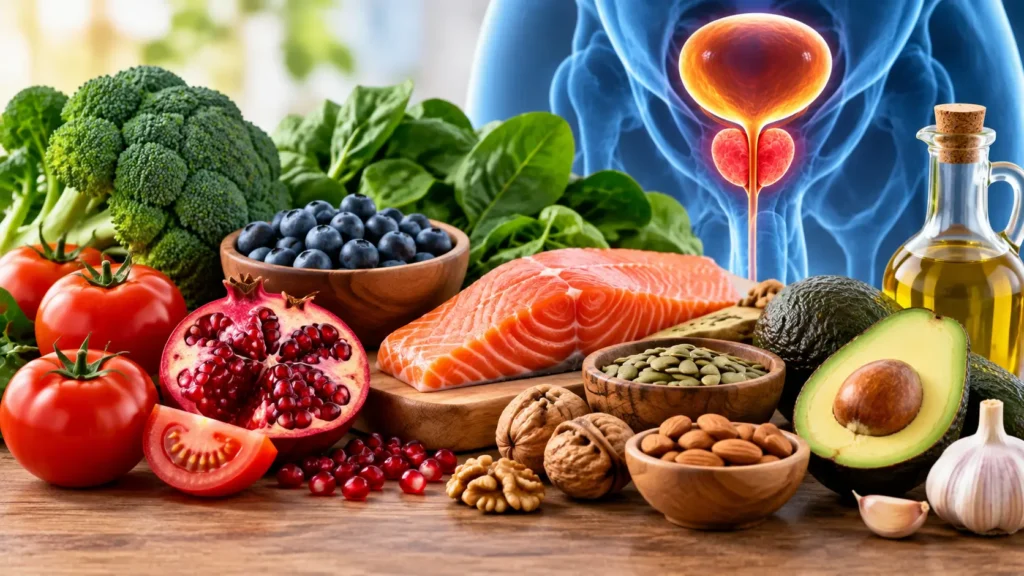
Rather than treating any single food as a “cure,” think in terms of an overall pattern. A simple, sustainable version of a healthy diet for prostate health might look like this:
- Breakfast: Oatmeal with flaxseed and berries, or a vegetable omelet
- Lunch: A big salad with leafy greens, chickpeas, tomatoes, and olive oil
- Dinner: Grilled salmon with steamed broccoli and quinoa
- Snacks: A small handful of Brazil nuts or pumpkin seeds, green tea instead of a second coffee
This kind of pattern reflects what researchers call a Mediterranean or plant-rich diet — one of the few dietary approaches with consistent evidence behind it for supporting prostate health over time.
Prostate Health Diet After 40 vs. After 50
The core prostate health diet after 40 doesn’t look dramatically different from the one after 50 — the same foods apply. What changes is urgency and consistency. In your forties, diet is largely preventive. After 50, when prostate enlargement and cancer risk both climb, the same habits become part of an active management strategy alongside regular screening. Starting early simply means these habits are already second nature by the time they matter most.
Foods to Avoid for Prostate Health
Just as important as what you add is what you scale back. If you’re building a list of foods to avoid for prostate health, prioritize these:
- Ultra-processed foods: A large 2026 study of more than 17,000 U.S. men found that higher intake of ultra-processed foods — think packaged snacks, sugary drinks, and processed meats — was associated with a notably higher risk of prostate cancer. This is one of the most talked-about prostate diet findings of the year.
- Red and processed meat: Frequent consumption of bacon, sausage, and deli meats has been linked to increased inflammation and higher risk in multiple studies.
- High-dairy, high-calcium diets: Some research suggests very high dairy and calcium intake may be associated with increased risk, though evidence here is mixed and moderate dairy intake is generally considered fine.
- Excess added sugar: Sugary drinks and desserts contribute to weight gain, which is independently linked to worse prostate outcomes.
- Excess alcohol: Heavy drinking is associated with higher inflammation and can interfere with hormone balance.
None of this means total elimination — it means shifting the balance of your plate most of the time.
Prostate Healthy Eating Habits Beyond Just Food
Building sustainable prostate healthy eating habits is about more than a shopping list. A few habits make the biggest difference:
- Cook more meals at home so you control ingredients and portion sizes
- Read labels and watch for ingredients lists longer than a few items — a simple flag for ultra-processed foods
- Stay hydrated with water instead of sugary drinks
- Maintain a healthy weight, since excess body fat is linked to worse prostate outcomes
- Stay physically active — even brisk walking most days supports the same inflammation-lowering goals as diet does
- Limit late-night eating, which can affect metabolic health over time
What New 2026 Research Says About Diet and the Prostate
This is a genuinely active area of research right now, which makes it a great time to pay attention.
- A 2026 study from researchers in the UK found that a plant-rich diet combined with probiotics was associated with slower prostate cancer progression in men under active surveillance, along with improvements in urinary symptoms and inflammation markers — one of the first human clinical trials to show this kind of gut-health connection.
- The updated 2026 AUA/SUO prostate cancer screening guideline, while focused mainly on PSA testing and biopsy decisions, reinforces that lifestyle factors — including diet — are part of a broader, individualized approach to prostate care.
- Multiple 2026 reviews continue to support Mediterranean and anti-inflammatory dietary patterns as the most consistently beneficial approach, more so than any single “superfood.”
The takeaway: diet research in this space is shifting from vague “eat healthy” advice toward specific, testable patterns — and ultra-processed food reduction is emerging as one of the clearest, most actionable findings.
Simple Prostate Health Nutrition Tips to Start Today
If you want a starting point rather than a full diet overhaul, try these prostate health nutrition tips:
- Swap one processed snack a day for nuts, fruit, or vegetables
- Add cooked tomatoes to at least two meals a week
- Choose fish over red meat two to three times a week
- Replace one sugary drink daily with water or green tea
- Add one extra vegetable serving to dinner each night
Small, repeatable changes tend to stick far better than dramatic short-term diets — and they’re easier to maintain as part of a long-term diet for prostate health strategy.
FAQs: Prostate Health Diet After 50
What foods are good for prostate health? Tomatoes, cruciferous vegetables, fatty fish, nuts, seeds, green tea, and legumes are among the most consistently supported choices in current research.
Is there a specific prostate health diet after 40 I should follow? The same core principles apply at 40 as at 50 — a plant-forward, low-processed-food diet. Starting in your forties simply builds habits before risk increases with age.
What foods should I avoid for prostate health? Ultra-processed foods, processed and red meat, excess sugar, and heavy alcohol intake are the main categories worth limiting based on current evidence.
Can diet alone prevent prostate cancer? No single diet can guarantee prevention. Diet is one part of a broader approach that includes regular screening, physical activity, and maintaining a healthy weight.
Final Thoughts: Prostate Health Diet After 50
A prostate health diet after 50 isn’t about perfection — it’s about consistency. Building meals around vegetables, healthy fats, and whole foods, while cutting back on ultra-processed options, gives you a genuinely evidence-backed way to support your prostate as you age. Pair these habits with regular checkups and open conversations with your doctor, and you’re covering both the lifestyle and medical sides of prostate health.
Read More: Natural Supplements for Better Digestion: 5 Options to Know in 2026

