
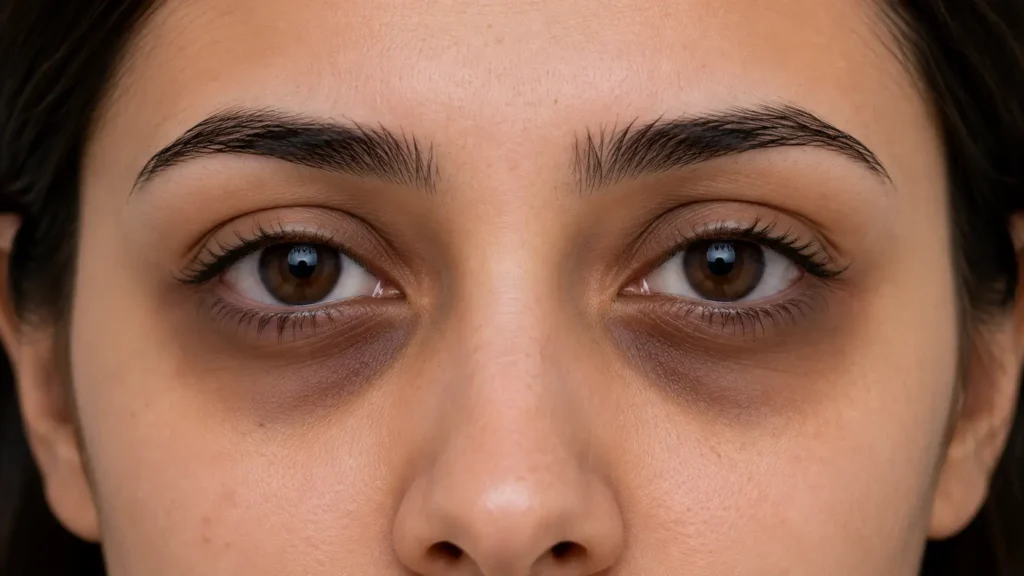
Dark Circles Under Eyes
You wake up, look in the mirror, and there they are again — those shadowy patches under your eyes that make you look tired even after a full night’s rest. If you’ve ever wondered why this keeps happening, you’re not alone. Dark circles under eyes causes range from something as simple as poor sleep to deeper issues like genetics, allergies, or dehydration.
The good news? Once you understand what’s actually causing them, you can take small, realistic steps to reduce their appearance — no expensive treatments required. In this post, we’ll walk through seven of the most common reasons dark circles show up, and what genuinely helps.
Disclaimer: This article is for general informational purposes only and is not a substitute for professional medical advice, diagnosis, or treatment. I am not a doctor. Always consult a qualified healthcare provider with any questions about a medical condition.
Read More: High Protein Breakfast Foods to Build Muscle: 9 Best Picks (2026)
What Are Dark Circles Under the Eyes?
The skin under your eyes is thinner and more delicate than skin almost anywhere else on your body. Because it’s so thin, the blood vessels underneath are more visible, which can create a bluish, purplish, or brownish tint depending on your skin tone. When you’re tired, dehydrated, or dealing with allergies, that thin skin makes the discoloration even more noticeable.
Dark circles aren’t usually dangerous on their own, but they can be frustrating — especially when they make you look older or more exhausted than you actually feel. Let’s break down the most common causes.
7 Common Causes of Dark Circles Under Eyes
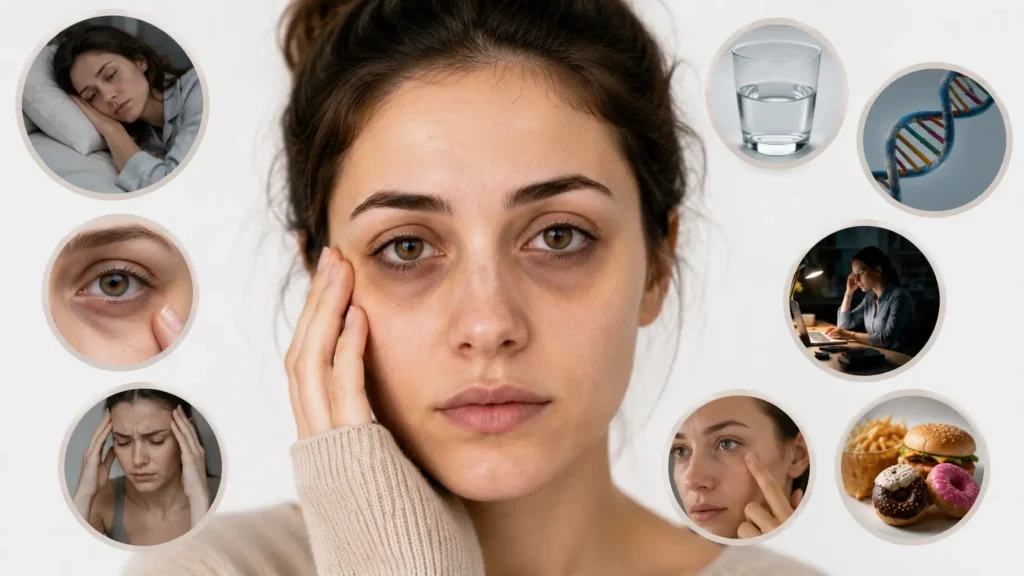
1. Lack of Sleep
This is probably the first thing that comes to mind, and for good reason. Dark circles from lack of sleep are one of the most common complaints among adults with busy schedules. When you don’t get enough rest, your skin can look pale and dull, which makes the blood vessels under your eyes stand out more. Poor sleep can also cause fluid to pool under your eyes, leading to puffiness that casts a shadow and makes the circles look darker.
- Aim for 7–9 hours of consistent sleep
- Try to go to bed and wake up at the same time daily
- Avoid screens right before bed, since blue light can delay your body’s natural wind-down process
2. Genetics and Family History
Sometimes dark circles have nothing to do with your lifestyle at all. If your parents or grandparents have naturally deep-set eyes or thinner under-eye skin, there’s a good chance you inherited the same trait. This is one of the more common dark circles under eyes causes adults often overlook, assuming it’s always about sleep or stress.
Genetic dark circles tend to appear early in life and stay fairly consistent, rather than coming and going based on how tired you feel.
3. Eye Strain and Too Much Screen Time
Staring at a laptop, phone, or TV for hours can strain the tiny blood vessels around your eyes. Over time, this strain can enlarge the vessels, and since the skin around your eyes is thin, that shows up as darker shading. If you work a desk job or spend a lot of time scrolling, this could be a bigger factor than you realize.
- Follow the 20-20-20 rule: every 20 minutes, look at something 20 feet away for 20 seconds
- Adjust your screen brightness to match the room around you
- Blink often — screen time tends to reduce natural blinking, which dries out and stresses the eyes
4. Allergies and Sinus Issues
If your dark circles seem to get worse during certain seasons, allergies could be the culprit. When your body reacts to allergens like pollen, dust, or pet dander, it releases histamines, which can cause blood vessels to swell and become more visible under the skin. Rubbing or scratching itchy eyes — a common allergy response — can make the discoloration even more pronounced.
Sinus congestion works in a similar way, since blocked sinuses can cause blood to pool in the tiny veins beneath the eyes.
5. Dehydration and Poor Diet
Your skin needs water to stay plump and healthy. Dark circles and dehydration are closely linked — when you’re not drinking enough water, the skin under your eyes can look duller and more sunken, which makes shadows and discoloration more obvious. A diet high in salt or processed food can also lead to fluid retention, puffiness, and a tired-looking appearance.
- Aim for consistent water intake throughout the day, not just when you feel thirsty
- Limit high-sodium snacks, especially in the evening
- Add water-rich foods like cucumber, watermelon, and oranges to your diet
6. Natural Aging Process
As we get older, our skin naturally loses collagen and fat, which keeps it firm and full. This thinning process is especially noticeable under the eyes, where the skin was already delicate to begin with. As the fat pads that once cushioned this area shrink, the blood vessels beneath become even easier to see, and the skin can take on a hollow, shadowed look.
This is a completely normal part of aging, and while it can’t be fully stopped, certain habits (which we’ll cover below) can help slow the visible effects.
7. Sun Exposure and Pigmentation
Spending a lot of time in the sun without protection can trigger your body to produce more melanin, the pigment responsible for skin color. Around the eyes, this can lead to hyperpigmentation, making dark circles look more brown than blue or purple. Over time, unprotected sun exposure can also break down collagen, making the thin under-eye skin even more fragile.
How to Reduce Dark Circles Naturally

There’s no single fix that works for everyone, since the cause behind your dark circles plays a big role in what actually helps. That said, here are some simple, low-cost habits worth trying if you’re looking into how to reduce dark circles naturally:
- Prioritize sleep consistency over just “catching up” on weekends — irregular sleep patterns can be just as disruptive as short sleep
- Use a cool compress (like a chilled spoon or damp washcloth) for 10 minutes to reduce puffiness and constrict blood vessels
- Stay hydrated throughout the day rather than drinking a large amount all at once
- Elevate your head slightly while sleeping to prevent fluid from pooling under your eyes overnight
- Wear sunscreen daily, including on and around the eye area, using a formula made for sensitive skin
- Manage allergies with the guidance of a doctor or pharmacist, rather than letting them go untreated
- Reduce salt intake, especially in the hours before bed
- Take regular screen breaks to reduce eye strain-related discoloration
- Consider a gentle under-eye cream with ingredients like vitamin C, caffeine, or peptides, which some people find helpful for brightening the area over time
None of these are overnight miracles, but small, consistent habits tend to make a noticeable difference over a few weeks.
Common Myths About Dark Circles
There’s a lot of confusing advice out there when it comes to dark circles, so let’s clear up a few common myths:
Myth: Dark circles mean you’re unhealthy. Not necessarily. Plenty of people with dark circles are perfectly healthy — the discoloration is often just a matter of thin skin, genetics, or visible blood vessels, not an internal health problem.
Myth: Expensive creams are the only real solution. Pricey products can help in some cases, especially ones with proven ingredients like caffeine or vitamin C, but consistent basics — sleep, hydration, and sun protection — often make a bigger visible difference than an expensive jar of cream.
Myth: Concealer makes dark circles worse over time. Using concealer occasionally to even out your skin tone isn’t harmful. What matters more is making sure you remove makeup gently before bed, since rubbing or tugging at the delicate under-eye skin can contribute to irritation over time.
Myth: Only older adults get dark circles. Dark circles under eyes causes adults face aren’t limited by age. Teenagers and people in their twenties can develop them too, often due to screen time, allergies, or genetics rather than aging.
Lifestyle Habits That Make a Long-Term Difference
Beyond the immediate fixes, a few broader lifestyle habits tend to support healthier-looking skin under the eyes over the long run:
- Manage stress levels. Chronic stress can disrupt sleep quality and trigger habits like eye rubbing, both of which can worsen the appearance of dark circles.
- Limit alcohol and caffeine close to bedtime. Both can interfere with sleep quality and contribute to dehydration, two factors already linked to under-eye discoloration.
- Clean your pillowcase regularly. Allergens like dust mites can build up on bedding and trigger the kind of allergic reactions that lead to puffy, discolored under-eyes.
- Be gentle with the skin around your eyes. Since this area is thinner than the rest of your face, harsh rubbing, aggressive exfoliation, or skipping moisturizer can make existing discoloration more noticeable.
None of these changes work instantly, but combined with the remedies above, they can support visibly healthier skin over several weeks to a few months.
When Should You See a Doctor?
Most dark circles are harmless and related to lifestyle factors like sleep, screen time, or genetics. However, it’s worth checking in with a healthcare provider if you notice:
- Dark circles that appear suddenly and don’t improve with rest or hydration
- Swelling, pain, or itching around the eyes
- One eye looking noticeably different from the other
- Dark circles accompanied by other symptoms like fatigue, weight changes, or shortness of breath
A doctor can help rule out underlying issues like thyroid conditions, anemia, or chronic allergies, and recommend a treatment plan suited to your specific situation.
FAQs
Are dark circles always caused by lack of sleep? Not always. While sleep is one of the most common dark circles under eyes causes adults deal with, genetics, allergies, dehydration, and aging can all play a role, sometimes even without any change in sleep habits.
Can drinking more water really help with dark circles? It can help in cases where dehydration is a contributing factor. Since dark circles and dehydration are connected, staying consistently hydrated may reduce the dull, sunken look that makes circles more visible — though it won’t fully resolve circles caused by genetics or aging.
Do dark circles go away on their own? Sometimes, especially if they’re linked to temporary factors like a few nights of poor sleep or seasonal allergies. Circles caused by genetics or aging tend to be more persistent and may only fade in appearance with consistent care rather than disappearing completely.
Is it normal for dark circles to get worse with age? Yes, this is common. As skin loses collagen and fat over time, the under-eye area can appear more hollow and shadowed, which is a natural part of aging rather than a sign of a health problem.
Final Thoughts
Dark Circles Under Eyes are incredibly common, and in most cases, they’re more of a cosmetic frustration than a medical concern. Whether yours are tied to a few too many late nights, genetics, allergies, or simple dehydration, small and consistent changes — better sleep habits, proper hydration, sun protection, and reduced screen strain — can genuinely help over time.
Read More: Burn 500 Calories at Home: 9 Easy No-Gym Workouts for Beginners (2026)