
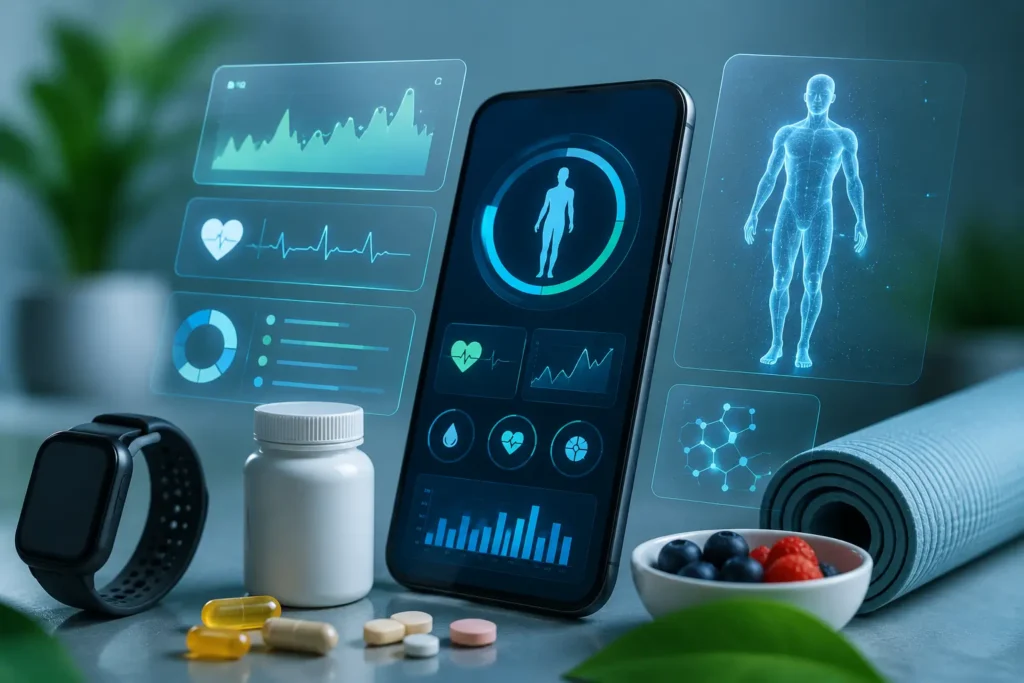
Artificial intelligence is transforming nearly every industry, and the health and wellness sector is no exception. Today, many companies are developing AI apps leveraging data for health wellness product analysis to help consumers better understand products, track personal health goals, and make informed purchasing decisions.
From analyzing nutritional supplements to evaluating fitness products and wellness trends, AI-powered tools are making health information more accessible than ever before. As consumers become increasingly health-conscious, these technologies are helping bridge the gap between complex health data and practical everyday decisions.
What Are AI Apps Leveraging Data for Health Wellness Product Analysis?
AI apps leveraging data for health wellness product analysis use artificial intelligence and machine learning to process large amounts of health-related information. These applications collect and analyze data from various sources, including:
- Product ingredient databases
- Scientific research studies
- User reviews
- Health tracking devices
- Nutrition information
- Wellness assessments
The goal is to provide users with personalized recommendations and actionable insights based on reliable data.
Read More: AI in Healthcare: How Technology Is Saving Lives & Transforming Medicine in 2026
Why AI Is Becoming Important in Health and Wellness
The modern health and wellness market contains thousands of products. Consumers often struggle to determine which products are effective, safe, and suitable for their individual needs.
AI helps solve this challenge by:
- Processing large datasets quickly
- Identifying patterns in health information
- Comparing products objectively
- Delivering personalized recommendations
- Simplifying complex wellness information
As a result, users can make more informed decisions without spending hours researching products manually.
7 Powerful Benefits of AI Health Wellness Analysis Apps
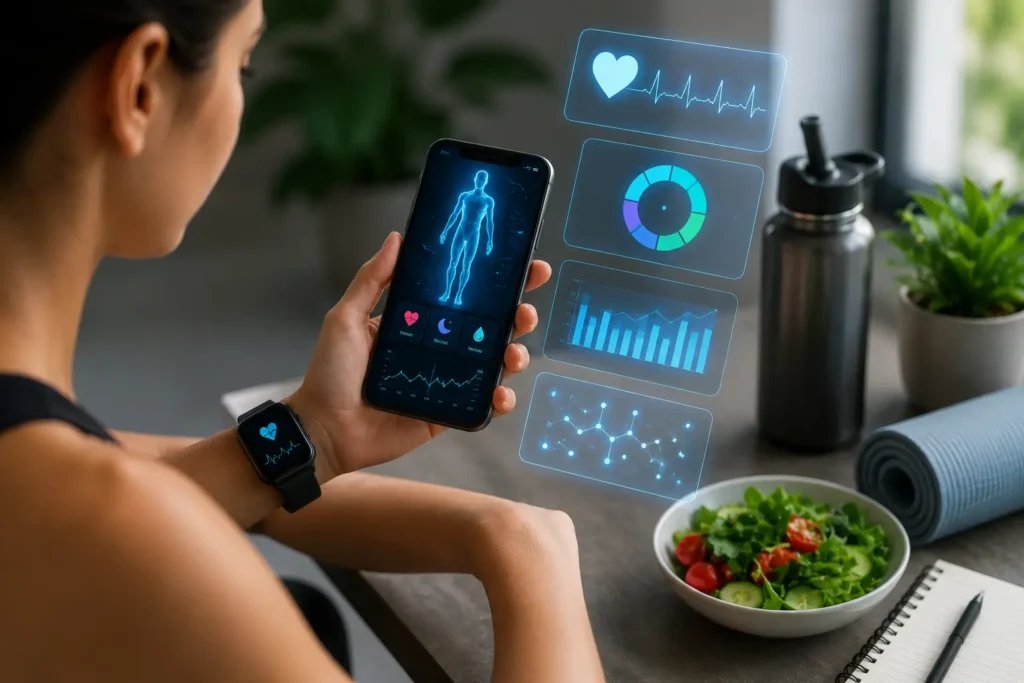
1. Personalized Product Recommendations
One of the biggest advantages of AI-powered wellness platforms is personalization.
Rather than offering generic suggestions, AI can analyze:
- Health goals
- Lifestyle habits
- Dietary preferences
- Activity levels
- Wellness priorities
This enables more relevant product recommendations tailored to individual users.
2. Better Ingredient Analysis
Many wellness products contain lengthy ingredient lists that can be difficult to understand.
AI systems can:
- Identify active ingredients
- Explain ingredient functions
- Highlight potential concerns
- Compare similar formulations
This helps consumers evaluate products with greater confidence.
3. Real-Time Wellness Tracking
AI-powered wellness apps often integrate with wearable devices and health trackers.
These tools can monitor:
- Sleep patterns
- Daily activity
- Heart rate
- Hydration levels
- Exercise performance
Real-time tracking allows users to understand how specific products may support their wellness objectives.
4. Smarter Data Insights
health data analysis applications can be overwhelming when viewed without context.
AI wellness data insights help users understand:
- Long-term trends
- Behavioral patterns
- Areas for improvement
- Goal progress
These insights support more effective wellness planning.
5. Enhanced Consumer Confidence
Consumers frequently worry about product quality and effectiveness.
Health product analysis using AI helps build confidence by:
- Evaluating available evidence
- Comparing alternatives
- Presenting transparent information
- Reducing guesswork
When users understand products better, they can make decisions more comfortably.
6. Improved Decision-Making
AI apps can evaluate multiple factors simultaneously.
For example, an AI platform may compare:
- Ingredients
- Price
- Customer feedback
- Brand reputation
- Research support
This comprehensive approach helps users select products that align with their needs and budget.
7. Continuous Learning and Improvement
Machine learning systems improve over time.
As more data becomes available, AI wellness applications can:
- Refine recommendations
- Improve accuracy
- Detect emerging wellness trends
- Deliver more relevant insights
This continuous improvement benefits both consumers and health-focused businesses.
AI-Powered Innovations in the Wellness Industry
AI powered wellness tracking is being used across many categories.
Nutrition Analysis
AI apps can evaluate:
- Dietary habits
- Nutrient intake
- Meal quality
- Food choices
Fitness Optimization
Fitness-focused platforms use AI to analyze:
- Workout performance
- Recovery patterns
- Activity levels
- Training consistency
Supplement Evaluation
Consumers can use AI tools to compare supplement products and better understand ingredient profiles.
Health Monitoring
Modern wellness apps often provide ongoing monitoring to help users stay informed about their health goals.
Future of AI Health Wellness Analytics Apps

The future of AI health wellness analytics apps looks promising.
Emerging developments may include:
- More advanced personalization
- Better wearable integration
- Predictive wellness insights
- Improved health data visualization
- Enhanced consumer education
As technology continues to evolve, AI is expected to play an even greater role in helping individuals manage their wellness journeys.
Conclusion
AI apps leveraging data for health wellness product analysis are changing how consumers evaluate wellness products and make health-related decisions. By combining artificial intelligence, data analysis, and personalized recommendations, these platforms help users better understand products, track progress, and achieve their wellness goals.
Read More: Ayushman Bharat West Bengal Implementation July 2026: How to Apply Online